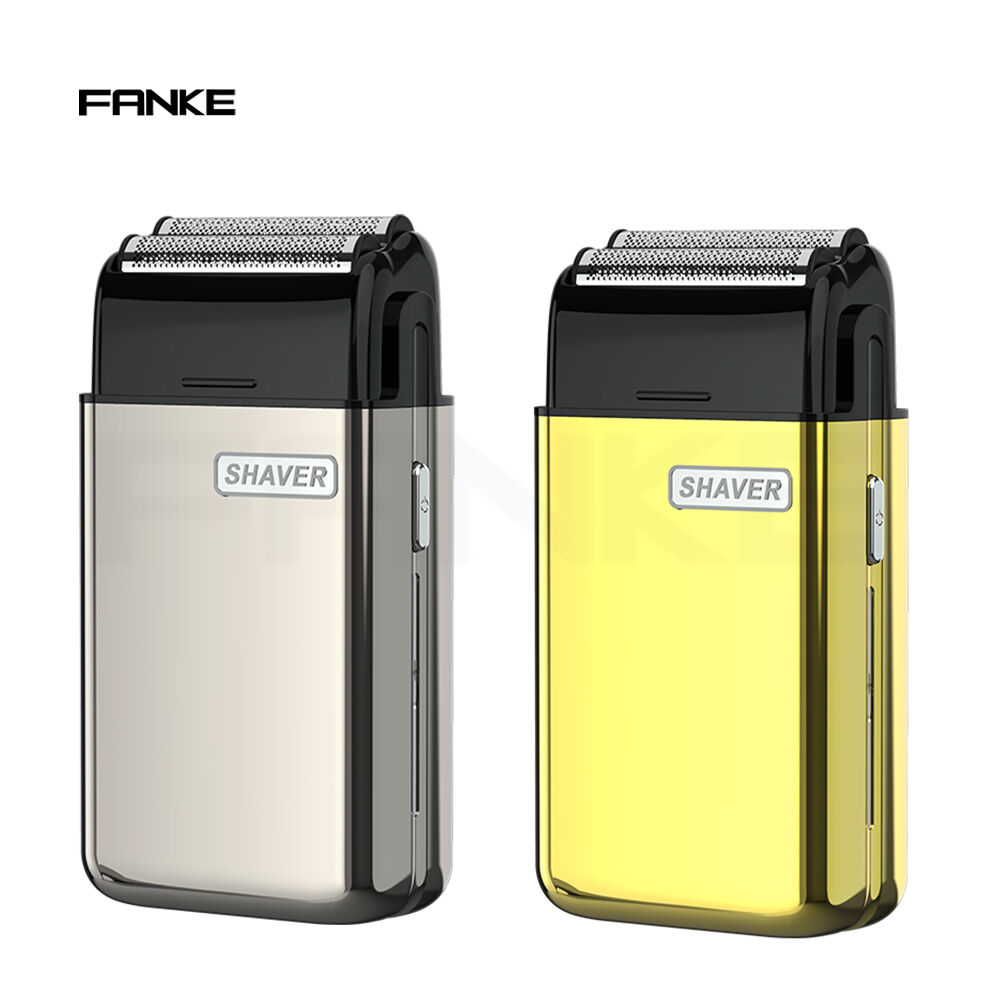
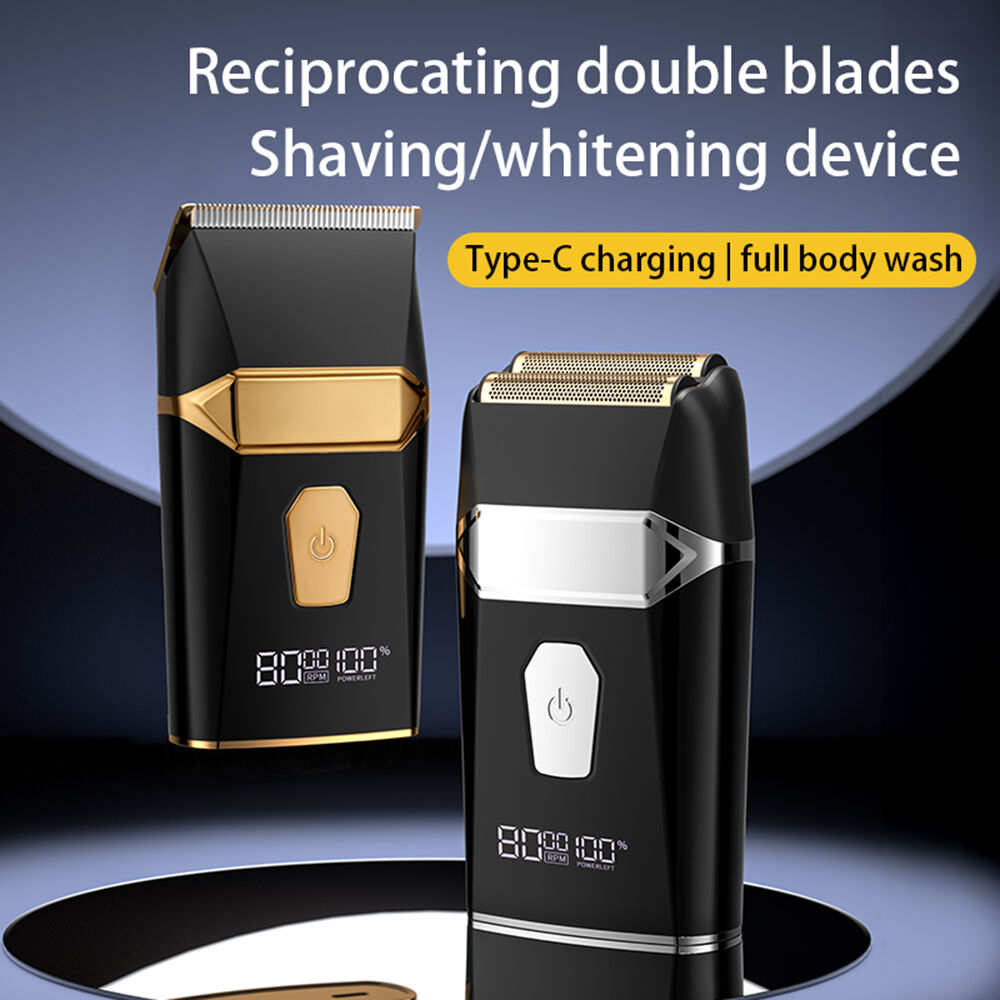
What kind of material makes up trimmer blades really matters when it comes to how well they cut, how long they stay sharp, and how durable they are over time. Titanium stands out because it doesn't rust easily, which makes it great for places where there's lots of moisture in the air. But don't expect it to hold its edge forever either. Ceramic blades run cooler during use so they irritate the skin less when doing tight trims around sensitive areas. The downside? These blades can crack if dropped or hit something hard, so handle them gently. Stainless steel strikes a good middle ground between price and toughness. Just remember to oil these regularly to keep them from getting rusty and losing their cutting power. Some high-end Japanese steel gets special heat treatment processes that manufacturers keep secret. According to various studies on blade wear, these treated steels stay sharp about three times longer than regular stainless steel options. If someone needs a trimmer for everyday grooming or works professionally with hair tools, investing in either Japanese steel or titanium blades usually pays off in the long run even though they cost more initially.
How a motor is designed really affects how well it trims hair, mainly because of factors like RPM speed, how steady the torque is, and how it handles heat. Magnetic motors typically run between 3,000 to 5,000 RPM which works okay for maintaining a light beard but they just don't have much power or quick response time. Pivot motors go from around 4,000 to 6,000 RPM and seem to adjust better to different parts of the face, so they're good for getting clean edges and doing some fine shaping work. Then there are rotary motors that spin over 7,000 RPM with plenty of torque behind them, making them ideal for tackling thick, coarse, or really dense hair types. Brushless DC (BLDC) motors are currently setting the standard in performance terms. These can reach speeds of up to 10,000 RPM while using about 40% less power compared to older brushed models. What does this mean practically? Longer battery life when running on cordless mode, less noise during operation, and basically zero maintenance since there are no brushes wearing out or commutators needing replacement. People who deal with heavy facial hair growth or anyone who regularly does detailed grooming tasks will find BLDC technology offers something special in terms of consistent results, better control over their trimmer, and reliability that lasts over time without breaking down as often.
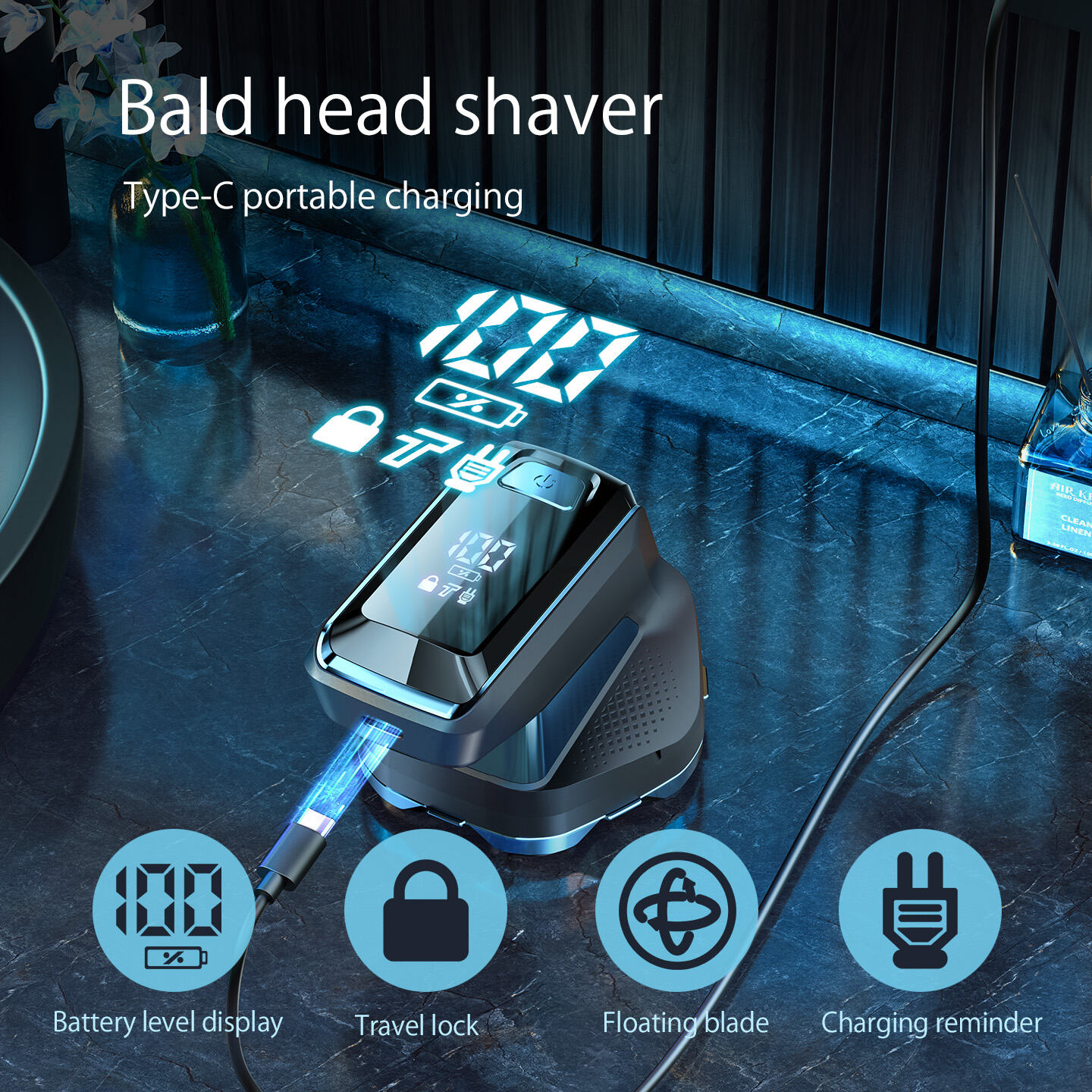
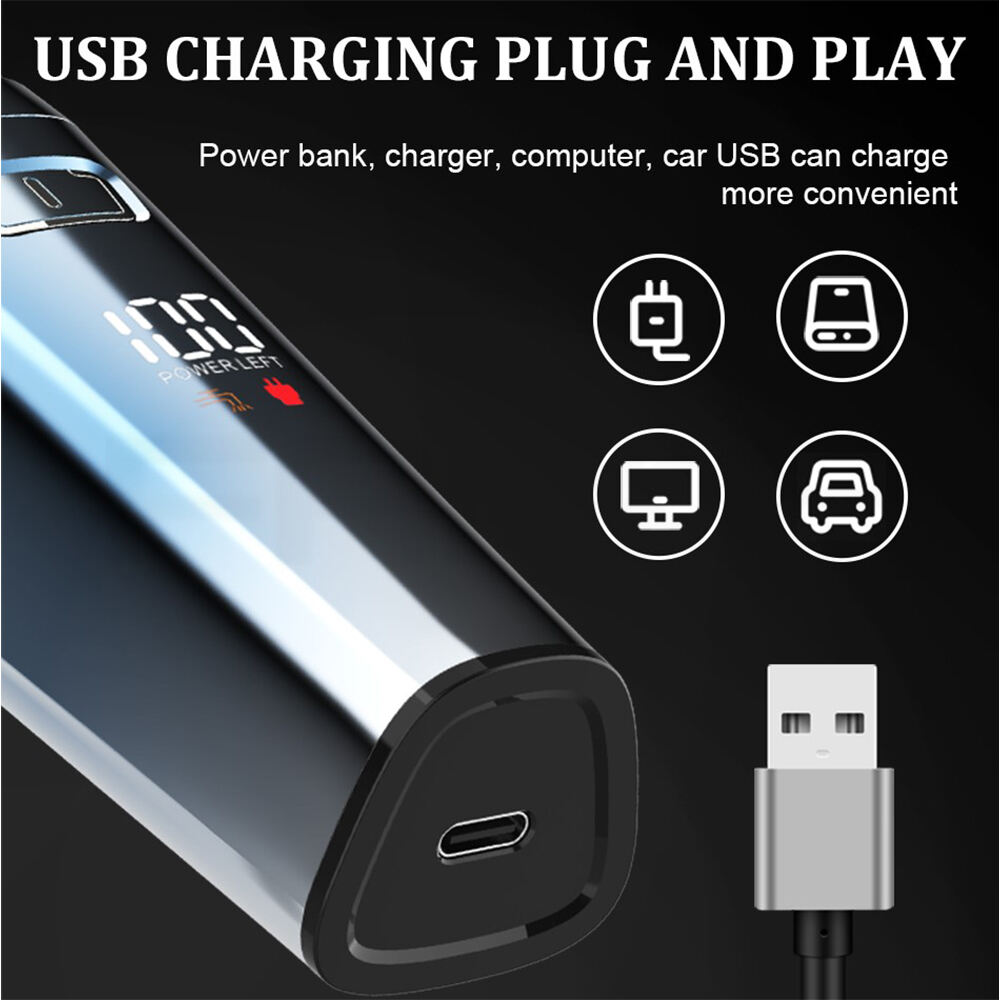
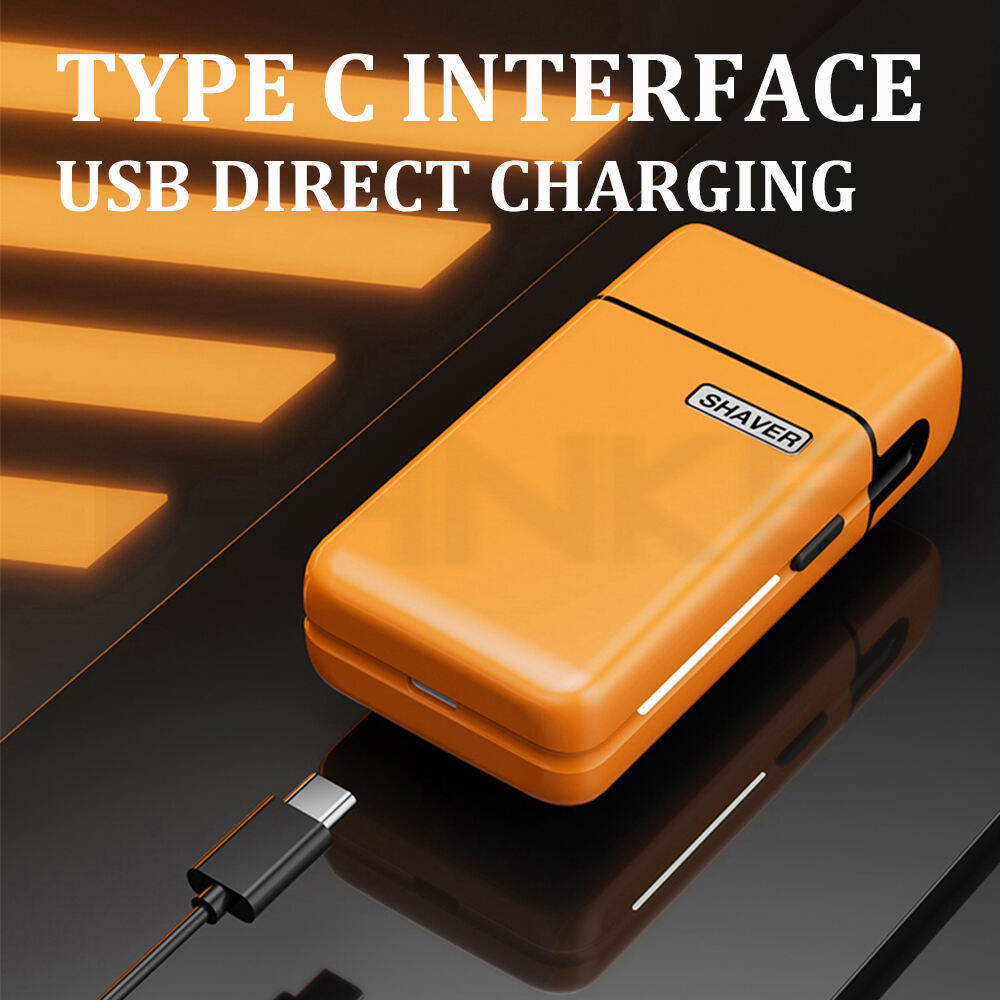
Today's cordless trimmers typically run on dense lithium-ion batteries that give around 60 to 120 minutes of runtime after a full charge. Many models now come with fast charging features that can get up to half power in less than 30 minutes, cutting down waiting time significantly. Plus, most have USB-C ports which means they can be charged from almost anywhere using power banks or even laptop computers. This kind of flexibility really matters for people traveling frequently, those working remotely, or homeowners who want freedom of movement without being tethered to an outlet. However there's a catch worth noting: as the battery runs down, especially on cheaper models, both motor power and blade speed tend to drop off. To keep things running at their best throughout the day, regular monitoring of charge levels becomes essential for anyone serious about getting top results every time they grab their trimmer.
Corded trimmers get rid of all those battery issues completely, giving consistent power and steady speed during trimming sessions. The constant power makes them really good for long haircuts, detailed lines, or when doing high quality work where small changes can mess up the look. Since they don't have batteries or charging stuff inside, these trimmers tend to last longer mechanically and are easier to fix when needed. The big downside though is being connected to an electrical socket, which restricts where someone can move around while cutting hair. This becomes a real problem in places like beauty salons or shared restrooms where people need flexibility across different areas.
The difference between good tools and great ones usually comes down to how they feel in the hand. Look for trimmers that weigh less than 8 ounces according to those 2023 Consumer Reports standards we all rely on. Lighter models definitely cut down on hand fatigue when working on beards or keeping that clean neckline maintained after weeks of growth. The best trimmers have those contoured handles with gripping textures that stay put even when hands get sweaty or greasy from styling products. Buttons should be placed where thumbs can reach them easily without letting go or messing up the angle. Heads that are tapered or sit low help see what's happening near ears and sides, and overall size matters too. Something under 140mm long moves better in tight spots around jaws and temples. Want to test if something fits? Try moving it up cheeks, down necks, and across temple areas. Trimmers over 5 inches tall tend to feel awkward for detailed work, whereas super small ones below 4.5 inches might be great for packing but lack that solid feel in the palm. Pick something that matches how your dominant hand naturally moves to avoid hurting wrists when doing those tricky edge jobs.
When looking to shape faces precisely, go for trimmers that have really fine blades set between about 0.2 to 0.5 millimeters thick, plus those with nicely shaped edges and bright LED lights that light up dark spots on the face. The best models come with heads that can pivot or bend, making it easier to get that right angle against the jawline and chin without twisting the wrist into uncomfortable positions. There are also various attachments worth considering these days. Some trimmers include comb guards that let users adjust in tiny increments, around half a millimeter at a time. Others offer special foil shavers designed to protect delicate skin areas, while some have super thin blades perfect for intricate detailing work. All these extras mean one device can handle many different grooming tasks instead of needing several separate tools.
Good multi-task trimmers need to have interchangeable heads, torque adjustments that can be tweaked, plus strong motor power. The self-sharpening blades work especially well for thick head hair, cutting cleanly even at lengths around 20mm without dulling after several uses. Many models now come with wet dry capabilities so folks can groom safely in the shower or right over the bathroom sink without making a mess. For those with sensitive skin, hypoallergenic foils help prevent redness on tricky spots like chests and backs where irritation often happens. Look for units with motors rated above 7000 RPM since these tend to keep their power throughout long trimming sessions, something that matters a lot when dealing with really thick or curly body hair that tends to slow down lesser machines.
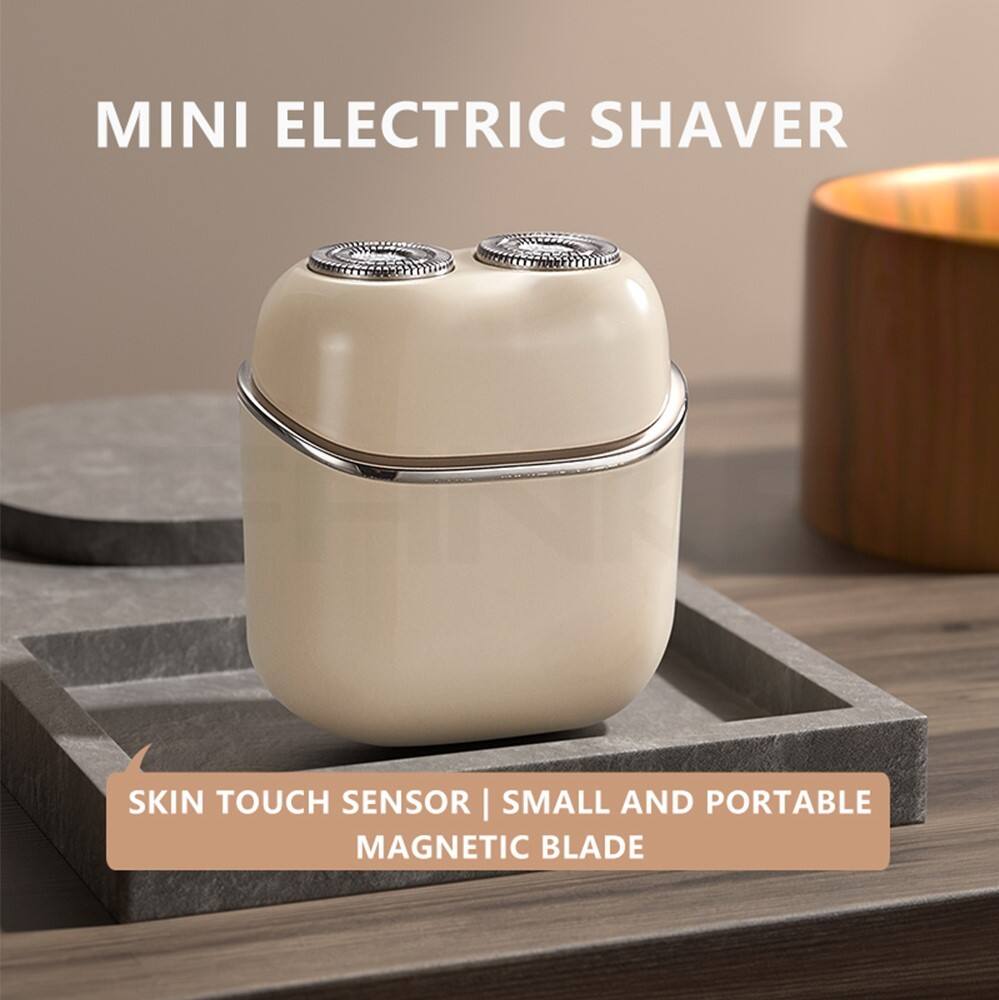
Travelers who are always on the move get the most out of trimmers that weigh less than six ounces. These models typically last around sixty minutes on battery power before needing a recharge. They also work with any voltage between 100 and 240 volts, so they function perfectly no matter where someone travels around the world. The waterproof rating means these devices can handle damp environments without damaging internal parts, which matters when storing them in bathrooms or gym bags. Blades that fold up or tuck away help avoid nicks and scratches while traveling, plus most come with special cases approved by TSA regulations that make passing through airport security much smoother. At just under five and a half inches long, these compact tools fit easily into luggage compartments. Charging via USB-C ports removes the hassle of finding different plug types depending on location.
 Hot News
2025-12-26
2025-12-21
2025-12-21
2025-12-14
2025-12-12
2025-12-10
Wenzhou Fanke Electrical Appliance company limit, a combined enterprise in Wenzhou, Zhejiang, manufactures and sells household appliances including electric hair clippers, shavers, trimmers, and toothbrushes.
 EN
EN