 EN
EN

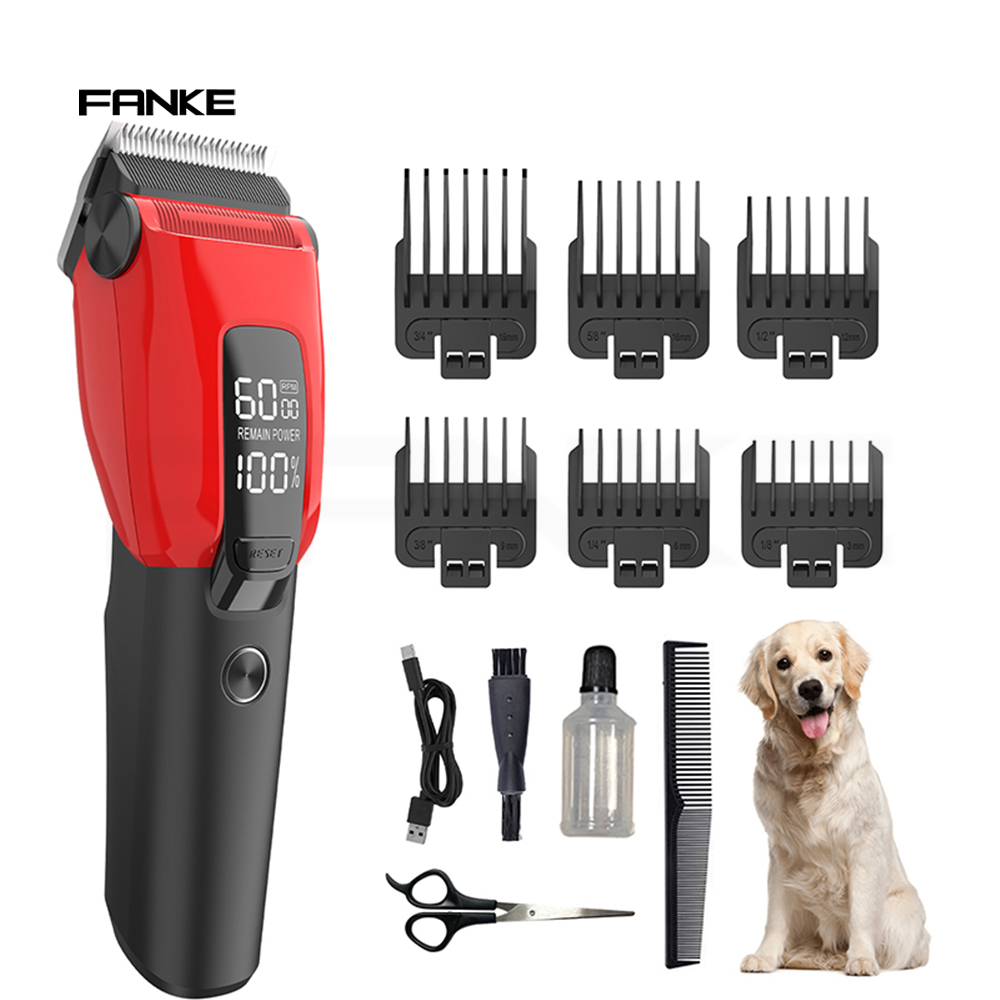
Motor Technology and Power: What Determines Cutting Performance in a Hair Clippers Set
Rotary, Magnetic, and Brushless Motors Compared: Precision, Heat Management, and Lifespan
The kind of motor makes all the difference when it comes to how well a device performs in terms of torque, heat management, and overall durability. Take rotary motors for instance they give pretty good power and nice blade movement, which works great for people at home dealing with thick or coarse hair without their machine getting too hot. Then there are magnetic motors that spin really fast, sometimes up to around 10,000 RPM. This speed is awesome for those detailed fade jobs, but watch out because these motors tend to get quite warm after prolonged use, so most folks need to take regular cooling breaks. For professionals though, brushless DC motors are basically the gold standard in the industry. These motors use electronic parts instead of brushes, which means they produce strong torque while staying cool. They last about 40 percent longer than the older brushed versions too, clocking in somewhere over 1,500 hours on average. That kind of runtime matters a lot when barbers are doing cut after cut all day long.
Watts, RPM, and Torque – Decoding Real-World Cutting Consistency
Raw specs like wattage or RPM mislead without context. Torque–not just speed–determines whether blades maintain momentum through dense, wet, or curly hair. Units below 2,500 RPM struggle with coarse textures; models exceeding 7,000 RPM often sacrifice control for velocity. The optimal balance is captured in this performance matrix:
| Metric | Low Performance Range | Optimal Range | Use Case Impact |
|---|---|---|---|
| Torque | < 15 mNm | 20–35 mNm | Prevents bogging in wet hair |
| RPM | < 3,500 | 5,000–7,000 | Balances speed and precision |
| Power Recovery | > 0.8 sec | < 0.3 sec | Maintains rhythm in fades |
Real-world testing confirms that “high-RPM” clippers frequently underdeliver on torque–leading to inconsistent cuts and snags when resistance increases.
Blade Quality and Skin Compatibility: Materials That Define Cut Accuracy and Comfort
Titanium, Ceramic, and Japanese Stainless Steel: Sharpness Retention and Sensitivity Impact
What kind of blade we're talking about makes all the difference when it comes to how long it stays sharp and how comfortable it feels on the skin. Ceramic blades hold their edge much better than regular steel during those abrasive tests, though they do have a tendency to crack easily if accidentally knocked around. Japanese stainless steel with that high hardness rating gives excellent protection against rust and has really smooth edges that don't irritate the skin, which is why many people with sensitive skin or who shave often prefer it. Some blades get titanium coatings that make them glide better across the face, although these coatings don't actually last very long. When dealing with thick, coarse hair, going for hardened steel makes sense since it stands up to wear better. But for detailed work on finer hairs, ceramic blades still shine because they run cooler and create less friction during close shaves.
Self-Sharpening Claims vs. Lab-Tested Edge Durability (2024 Data)
Those so called self-sharpening blade systems just realign the edges for a while they don't actually fix the geometry problem. Recent tests from 2024 looking at shear forces found something interesting most high end knives lose around 25 to 30 percent of their sharpness after about 50 hours of regular cutting no matter what the ads say. If someone wants a knife that lasts, it really comes down to the metal quality and how well it was originally honed. Blades made with harder steel rated at HRC 63 or above tend to hold their shape three times longer compared to cheaper options on the market. Professionals who rely on their knives day in and day out still need to manually sharpen them roughly every half year to maintain that razor thin edge precision below one micron level.
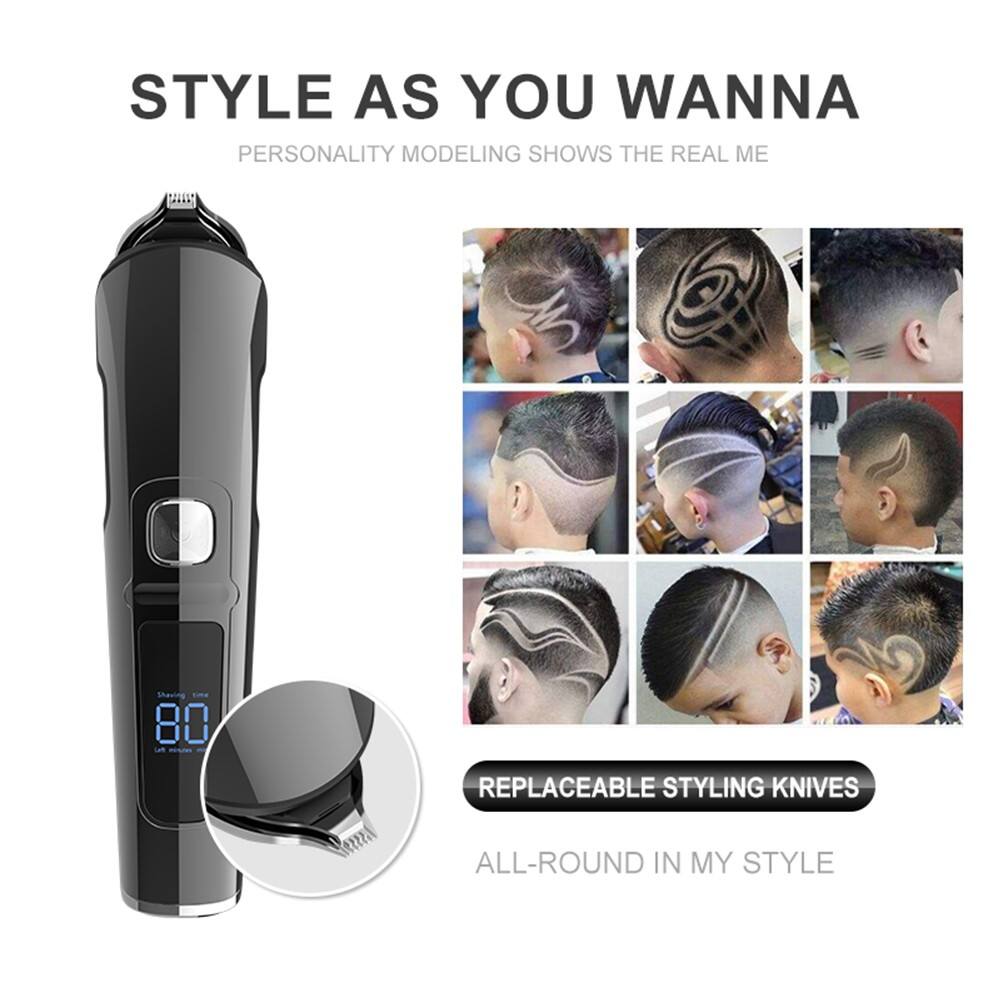
Power Delivery Options: Evaluating Corded, Cordless, and Hybrid Hair Clippers Sets
Runtime Reality Check: Advertised Battery Life vs. Sustained Full-Power Performance
The advertised runtime for cordless tools (usually around 90 to 120 minutes) often falls short in reality, dropping down to about 60 to 90 minutes when someone actually cuts something continuously at full power. Lab tests from 2024 showed this drop is roughly between 25% and 50%. Why does this happen? Well, lithium-ion batteries tend to lose voltage when put through high torque operations, plus their capacity naturally declines after repeated charging. Corded tools give constant power but obviously restrict movement. Hybrid models solve this problem by switching automatically to corded power once the battery runs low, so there's no sudden stop mid-cut. Most professionals will tell anyone who asks that hybrids are worth the extra cost for reliable work. Homeowners might still prefer going completely cordless though, as long as they check how these batteries perform in actual conditions rather than just trusting what manufacturers say on packaging.
Guard Systems and Length Control: Ensuring Repeatable, Reliable Cuts Across Brands
Fixed Combs, Adjustable Levers, and Guard Numbering – Why Standardization Fails Users
Getting consistent hair length really depends on how reliable the guard system actually is, not what the packaging says. Plastic combs that come fixed in place tend to vary because they're made with some wiggle room in manufacturing specs (about plus or minus 0.3 millimeters). This tiny difference can change exactly how long hair gets cut. Adjustable levers solve the problem of swapping out different combs, but these mechanisms sometimes slip during cutting sessions, which messes up the whole blending effect. The biggest headache comes from those confusing guard numbers. Take the number 4 guard for instance it might give half an inch cut with one brand yet deliver 12mm with another brand entirely. Some recent tests done last year showed differences as big as 23 percent among popular brands when using supposedly identical numbered guards. Anyone who wants truly precise results should always check the space between the blade edge and the guard teeth themselves instead of just trusting whatever system is built in.
Matching the Right Hair Clippers Set to Your Use Case – Self-Care, Family Styling, or Pro Work
Picking out hair clippers isn't just about finding something that works, it's about aligning what the tool can do with what we actually want to achieve. When someone is doing basic maintenance on their own hair, they usually get along fine with small cordless units that have blades adjustable between 1.5 and 10 millimeters. These tend to vibrate less too, which makes quick fixes around the house much easier without needing all that extra power. For households with multiple people, especially those with kids or folks who might be sensitive to metal, family sets are worth considering. Look for ones that come with at least eight different guard attachments so everyone can find their preferred length. Also check if the device handles different voltages across regions and has blades made from materials that won't irritate skin. Barbers and stylists working full time need something far sturdier though. Their machines must have strong brushless motors capable of handling over fifty haircuts per week consistently. The best professional options feature either self cooling titanium blades or high quality HRC 63+ steel cutting edges. Recent testing in 2024 showed these premium blades stay sharp about three times longer compared to regular versions. Home enthusiasts who trim frequently will discover they need roughly 60 percent more power in their motor compared to someone who only trims once in a while. This helps avoid frustrating snags during sessions, proving again that how often we use our clippers matters almost as much as our skill with them does.
FAQ
What motor type is best for professional hair clippers?
Brushless DC motors are the gold standard for professional hair clippers due to their strong torque, cool operation, and longer lifespan compared to brushed versions.
Why do clippers with high RPM often underperform?
While high RPM clippers spin faster, they often lack sufficient torque, leading to inconsistent cuts and snags, especially with dense hair.
Are self-sharpening blades effective?
Self-sharpening blades mainly realign the edges temporarily. Long-lasting sharpness depends on the blade's metal quality and original honing.
Why does cordless tool runtime differ from advertised claims?
Advertised runtime typically doesn't account for voltage drops during high-torque tasks. Real-world usage and battery age can further affect performance.
How does guard numbering affect cut accuracy?
Guard numbering can vary between brands, affecting cut lengths. Users should measure the distance between the blade and guard teeth for accurate results.
Table of Contents
- Motor Technology and Power: What Determines Cutting Performance in a Hair Clippers Set
- Blade Quality and Skin Compatibility: Materials That Define Cut Accuracy and Comfort
- Power Delivery Options: Evaluating Corded, Cordless, and Hybrid Hair Clippers Sets
- Guard Systems and Length Control: Ensuring Repeatable, Reliable Cuts Across Brands
- Matching the Right Hair Clippers Set to Your Use Case – Self-Care, Family Styling, or Pro Work
- FAQ