 EN
EN

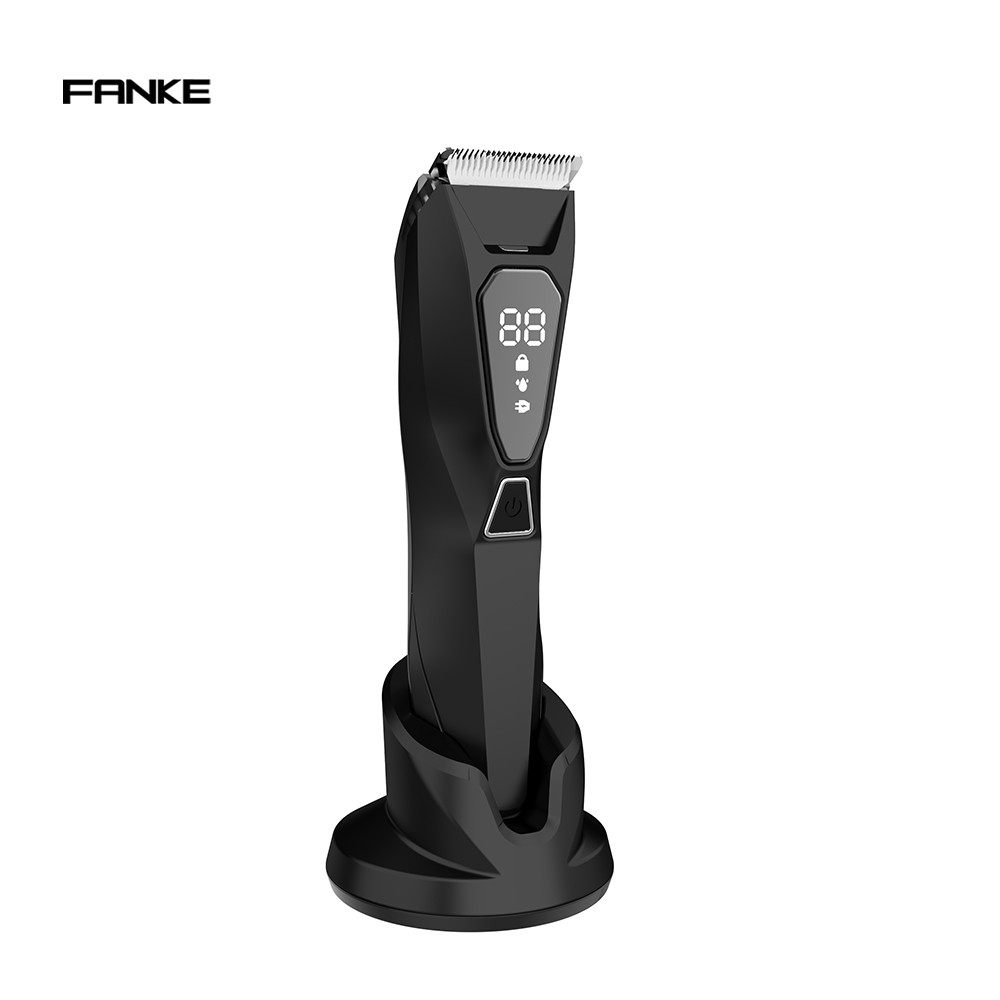
Defining Grooming Efficiency: Speed, Consistency, and User Effort
When we talk about grooming efficiency, we're really looking at how well a tool gets the job done without wasting precious time or energy. There are basically three things that matter most here. First is how fast the device works its way through whatever needs trimming. For people who groom every day or professionals charging by the hour, this speed factor can literally mean money in their pocket. Then there's consistency. Nobody wants those annoying spots where one area looks great but another needs redoing because the results weren't even across the board. And finally, there's the whole question of how much work it takes from the person holding the tool. A good trimmer should cut down on both physical tiredness and mental stress when someone spends ages getting everything just right.
Real efficiency means finding the right mix between different aspects. Take for instance a grooming tool that gives quick results but needs so much focus it actually becomes counterproductive in the long run. Studies on this stuff show people waste around 15 hours every year fixing mistakes from poor tools or dealing with uncomfortable products. When we get all these pieces working together properly, regular maintenance becomes something smooth and easy. Whether someone is keeping their beard neat or working on those fine hair lines around the temples, what used to feel like a tedious task turns into just another part of daily routine without all the hassle.
Electric Hair Trimmer Performance: Speed, Power, and Real-World Usability
Motor Power and RPM: How Electric Trimmers Achieve Faster, Smoother Trimming
Hair trimmers powered by motors spinning between 5,000 and 10,000 revolutions per minute simply work better than old fashioned manual clippers. The blades move so fast they cut hair quickly and evenly, which means people spend about 70% less time getting trimmed these days. Most modern trimmers come with precision ground stainless steel blades that actually move smoothly through thick hair without pulling, plus there's this fancy torque system that stops hair from getting caught. Manual clippers need different amounts of pressure depending on what part of the face is being worked on, but electric models keep giving the same amount of power no matter what. That makes for much smoother edges and fewer red marks on sensitive skin areas. Barber shops especially love them when they're doing lots of cuts in one day because the motor keeps working reliably session after session. And let's not forget how comfortable these things are to hold for long periods, making those tricky neck lines and detailed beard shapes much easier on tired hands.
Battery Life and Runtime: Minimizing Downtime for Professional and Home Use
Today's cordless trimmers come equipped with lithium ion batteries that last anywhere from 60 to 90 minutes straight, which means they can handle about 15 to 25 regular haircuts before needing a recharge. This kind of battery life really helps out barbers who don't want their sessions interrupted halfway through. At home, people usually only need to charge them once every few weeks even with regular use. Some models now have fast charging tech too. Just five minutes plugged in gives enough juice for a complete haircut, perfect when someone needs an impromptu trim. Most units also have indicator lights that tell when it's time to recharge, so there are no surprises when the trimmer dies mid-cut. Being wireless lets barbers move freely around clients or makes bathroom grooming much easier. Travelers will appreciate how small these trimmers have become, plus many now use USB-C ports that work great with laptop chargers or portable power packs. All this convenience combined with those low maintenance brushless motors means less downtime whether working in a busy salon or keeping up with personal grooming needs at home.
Manual Trimmer Strengths: Control, Portability, and Niche Precision Applications
When Zero Power Is an Advantage: Sterile Environments, Travel, and Emergency Use
Manual trimmers give users amazing control and accuracy for those special situations where electricity just won't work or isn't allowed. Think about places like operating rooms or intensive care units where even the smallest risk of contamination matters a lot. Manual tools don't have batteries or wires that could potentially spread germs, which is why hospitals stick with them so often. The simple mechanics also mean they fit better with all those strict cleaning rules medical staff have to follow. Travelers love them too since airlines get really picky about batteries these days. TSA lets most blade trimmers through as long as they're under four inches, no need to worry about pesky security checks. When there's no power or someone gets stuck somewhere far from civilization, manual trimmers keep working without fail. People who want to shape their sideburns, clean up neck lines, or maintain facial hair find that the hands-on feel makes all the difference, cutting down on those annoying little cuts. Electric trimmers need charging all the time, but these old fashioned ones just work whenever needed, basically free of charge. That's why smart folks always keep one handy as a backup plan.
Total Cost of Efficiency: Maintenance, Longevity, and Hidden Trade-Offs
Blade Sharpening, Replacement Costs, and Uptime Impact for Both Types
People usually get caught up looking at what something costs when they first buy it, but the real picture comes into focus over time with all those hidden expenses. Take manual trimmers for instance. These things need their blades sharpened regularly if anyone wants them to work properly. Most folks find themselves taking their trimmer to a pro every few months, which runs about $15 to $30 each time. And if someone forgets about it, well, blades wear out faster than normal, so expect to spend another $20 to $50 just replacing them throughout the year. Electric trimmers sidestep the sharpening issue but bring their own headaches. The batteries inside these gadgets slowly lose power over time. After around 300 charge cycles, most lithium ion batteries drop down to about 80% of their original capacity. That means spending between $30 and $70 on new ones roughly every couple of years. Not to mention motor problems either. About one in ten electric trimmers will develop motor issues within five years of purchase, and getting that fixed typically costs more than $40.
The real money drain comes from downtime. Manual grooming tools have to stop completely whenever blades get dull enough to need sharpening. Electric models aren't much better since they constantly need charging breaks throughout the day. For barbershop owners and salon staff, all these interruptions really add up over time. Some shops report losing several hours every month just dealing with tool maintenance issues. Looking at the big picture shows why many salons stick with cheaper manual trimmers even though they cost about 60 percent less initially. The catch is those low purchase prices come with ongoing costs for replacements and repairs. On the flip side, good quality electric trimmers might seem expensive at first glance, but most professionals find they pay off in the long run because they last longer between services and work consistently without unexpected breakdowns. When comparing options, think beyond what's written on the price tag. Factor in how long blades stay sharp, how much electricity gets used during operation, and how often workers need to pause their tasks for maintenance.