 EN
EN

Foil vs. Rotary Electric Shaver for Men: Matching Blade Type to Skin, Hair, and Shaving Goals
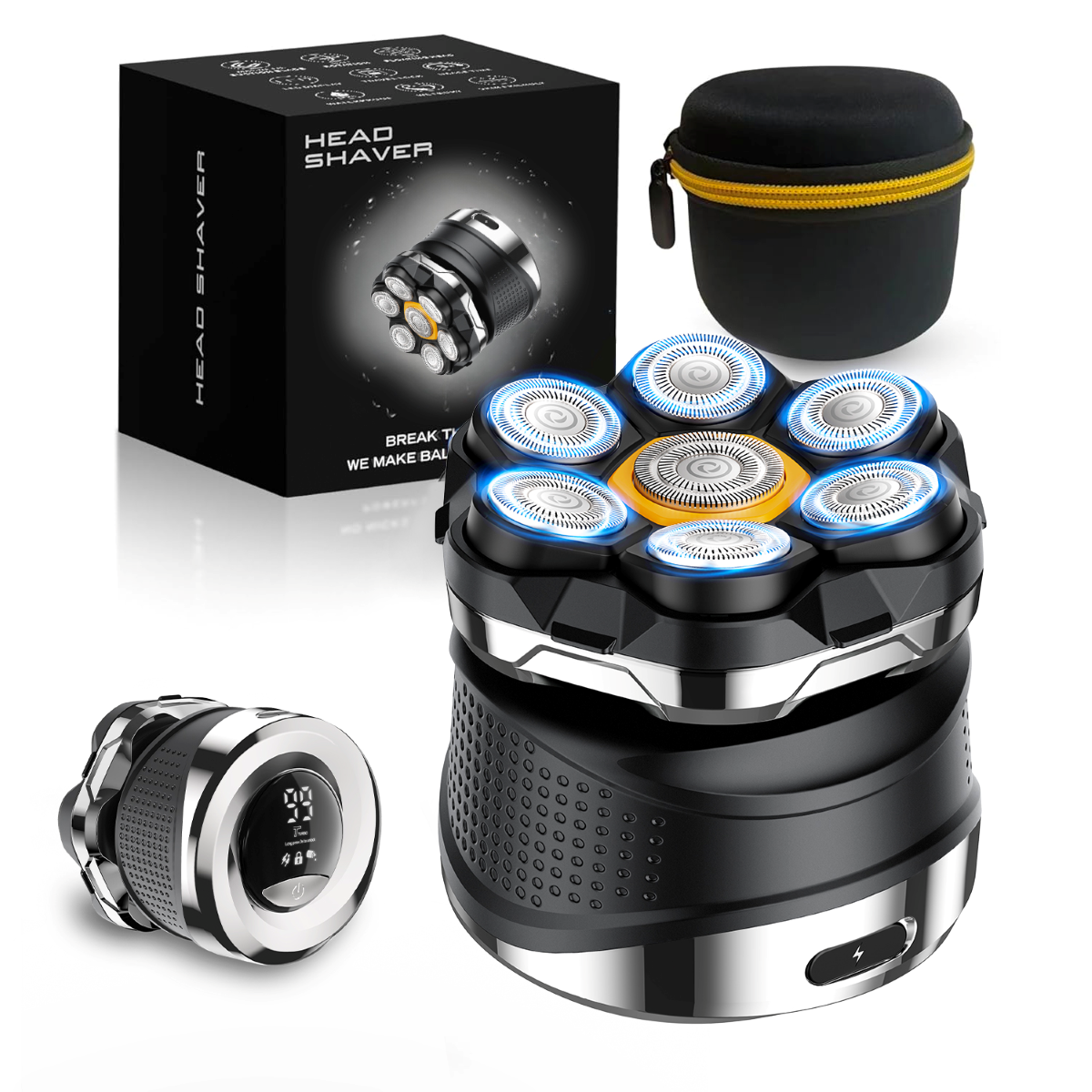
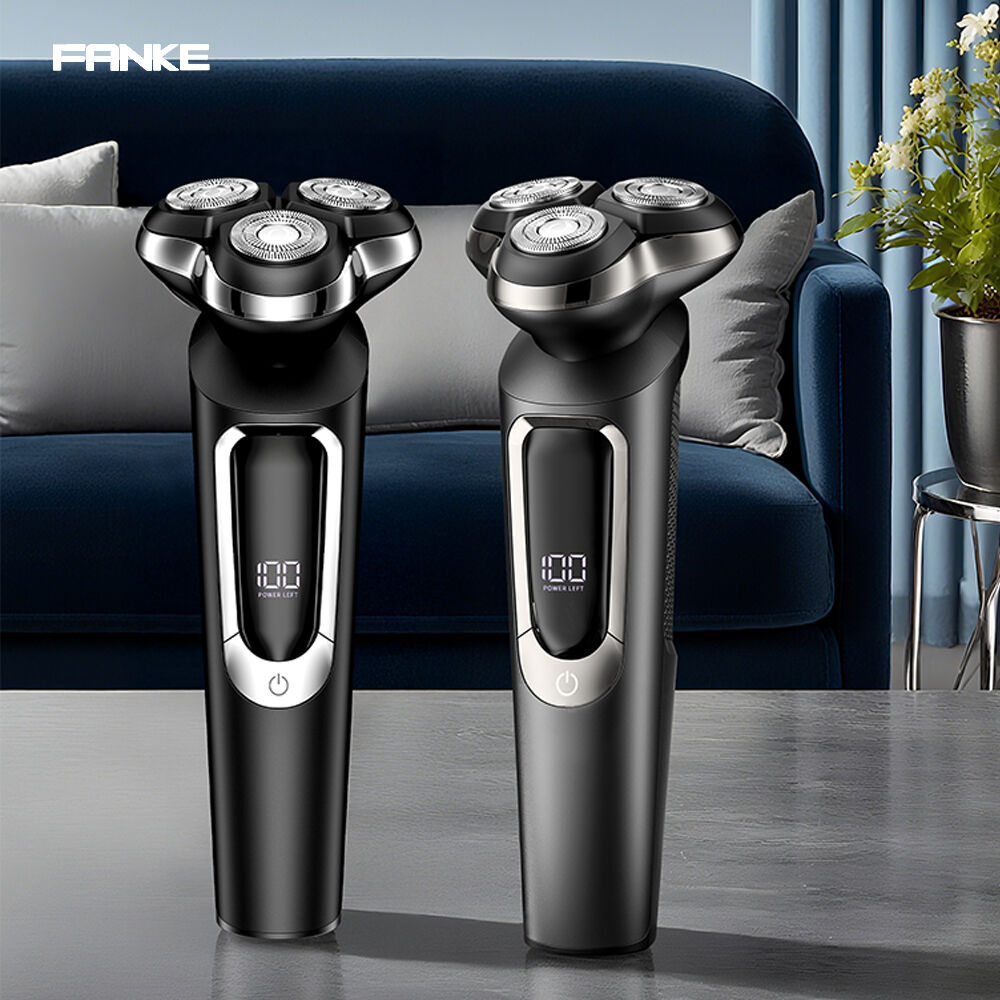
When deciding between foil and rotary electric shavers, what really matters is how these technologies work with different skin types, hair textures, and face shapes. These factors ultimately affect how comfortable the shave feels, how efficient it is, and what kind of results someone gets over time. Foil shavers have those vibrating blades underneath metal screens with tiny holes, giving pretty straight cuts across the face. On the other hand, rotary models typically come with three rotating heads that move independently around facial features, though some versions only have two. They adjust better to uneven surfaces like cheeks and necks. People with sensitive skin might find one type works better than another depending on whether their hair grows coarse or curly. What matters most isn't what ads say but rather what actually happens when someone starts using either razor regularly.
How Foil Shavers Deliver Precision and Comfort for Sensitive Skin
Foil shavers give a really close shave on flat spots like cheeks and necks. The blades vibrate fast and cut hair as it lifts through tiny holes in the metal cover. This setup means the actual blade doesn't touch the skin much, so there's less pulling and irritation overall. People with sensitive skin often find these work better because of this. Some tests have shown folks get around 40% less razor burn and ingrowns than with regular razors, but results vary depending on technique. Just gentle pressure works best actually. If someone pushes too hard, they're basically defeating what makes foils good in the first place and might end up with red marks instead of smooth skin.
Why Rotary Shavers Excel for Coarse, Curly, or Flat-Lying Hair
Rotary shavers really excel when dealing with tricky facial shapes and stubborn hair growth patterns that give other shaving tools trouble. These devices have those fancy floating heads that move around freely, which means they stick close to the contours of the face during a shave. Think about those hard to reach spots like the jawline, underneath the chin, and right above the lips where regular foil shavers tend to slip off completely. What sets rotary models apart is their spinning action that actually pulls in hairs that lie flat on the skin, no matter how coarse or curly they might be. This cuts down on those annoying missed patches and saves time since there's less need to go over the same area again and again. Men who deal with thick beards or fast-growing facial hair find these shavers especially helpful. The same goes for folks with certain ethnic hair types that naturally lie flat against the skin surface. Plus, since the razor glides along instead of pressing down hard, it doesn't stretch the skin as much, so there's less redness and irritation after shaving. That matters a lot for guys with really dense facial hair that resists normal shaving methods.
Skin-Friendly Design: Ergonomics, Adaptive Technology, and Irritation Prevention
Contour-Following Heads and Flexible Mounts Reduce Pressure and Nicks
The best electric shavers these days actually take into account how faces are built, not just random shapes. Their heads move independently along contours, gliding over tricky spots such as jawlines and under the chin area where skin tends to bunch up. This helps spread out the pressure so there aren't those annoying pressure points that lead to cuts or that red, sore feeling after shaving. The mounting system is pretty clever too, working kind of like shock absorbers in a car. It takes care of small hand movements we all have when shaving, keeping the blades at just the right distance from the skin without needing to push down hard. A study in the Journal of Cosmetic Dermatology showed something interesting - people who used shavers with these adaptable heads reported 38% less irritation compared to older models with fixed heads. Most of this improvement came from avoiding tiny skin tears caused when the razor suddenly changes angle or pulls at sensitive areas during the shave.
Blade Materials and Coatings (Titanium, Nanotech) That Minimize Friction
The benefits of low friction go way beyond just going faster. Good blade performance actually plays a big role in keeping skin healthy over time. Blades coated with titanium last much longer before rusting and keep their sharpness about three times better than regular stainless steel according to those ISO tests most manufacturers reference. Then there are these nanotech coatings that repel water at the microscopic level. What does that mean? Less beard hair sticks to the blade and less heat builds up during shaving. People who have tried them notice their razors stay cool around 27 degrees Fahrenheit cooler while using them, and there's roughly half the dragging sensation compared to older models. This matters because both factors contribute to that annoying sting after shaving and increase chances of getting little bumps from folliculitis. Plus, these special coatings make it harder for bacteria to hang around on the blade surface. So folks don't need to replace their razors so often which is a real plus for anyone dealing with sensitive skin issues or recurring follicular problems.
Wet/Dry Flexibility, Cleaning Simplicity, and Total Cost of Ownership
IPX7 vs. IPX4 Ratings: What Waterproofing Means for Your Routine
Water resistance comes in different levels, not just yes or no. Shavers with IPX4 rating can handle splashes and quick rinses under running water, so they work well for people who mainly use dry shaving but sometimes need to clean off after a workout session. The higher IPX7 standard allows these devices to be fully submerged in water about a meter deep for half an hour. This makes shower shaving possible, lets users give their shaver a proper deep clean whenever needed, and works great with all sorts of pre-shaving products too. For those who often find themselves needing to shave right after exercising, traveling around a lot, or simply enjoy preparing their face with wet methods, getting an IPX7 rated model takes away worries about accidental water exposure while still keeping the device clean and extending how long the motor lasts overall.
Auto-Cleaning Stations: Convenience Versus Upfront Investment
Self-cleaning stations take care of all the messy stuff like sanitizing, applying lubricant, and drying everything automatically. Great for busy people or anyone who finds regular maintenance tricky because of physical limitations. But there are some downsides worth mentioning. First off, expect to pay anywhere from fifty to one hundred fifty dollars extra upfront just for the station itself. Then there's the ongoing expense of special cleaning fluids which typically run between fifteen and thirty bucks a month. And once you start using these systems, it's pretty hard to go back to anything else. Let's do some quick math here. Someone spends around two hundred on a decent electric razor and adds the self-cleaning station? That person is looking at roughly two hundred sixty dollars over twelve months including all the replacement fluids. Compare that to old-fashioned methods where someone simply grabs some rubbing alcohol wipes and maybe a bit of oil every now and then? The total comes out to about forty bucks for the same period. So if someone values keeping things simple and wants to save money in the long run, sticking with manual cleaning works just fine as long as they actually remember to do it regularly.