 EN
EN

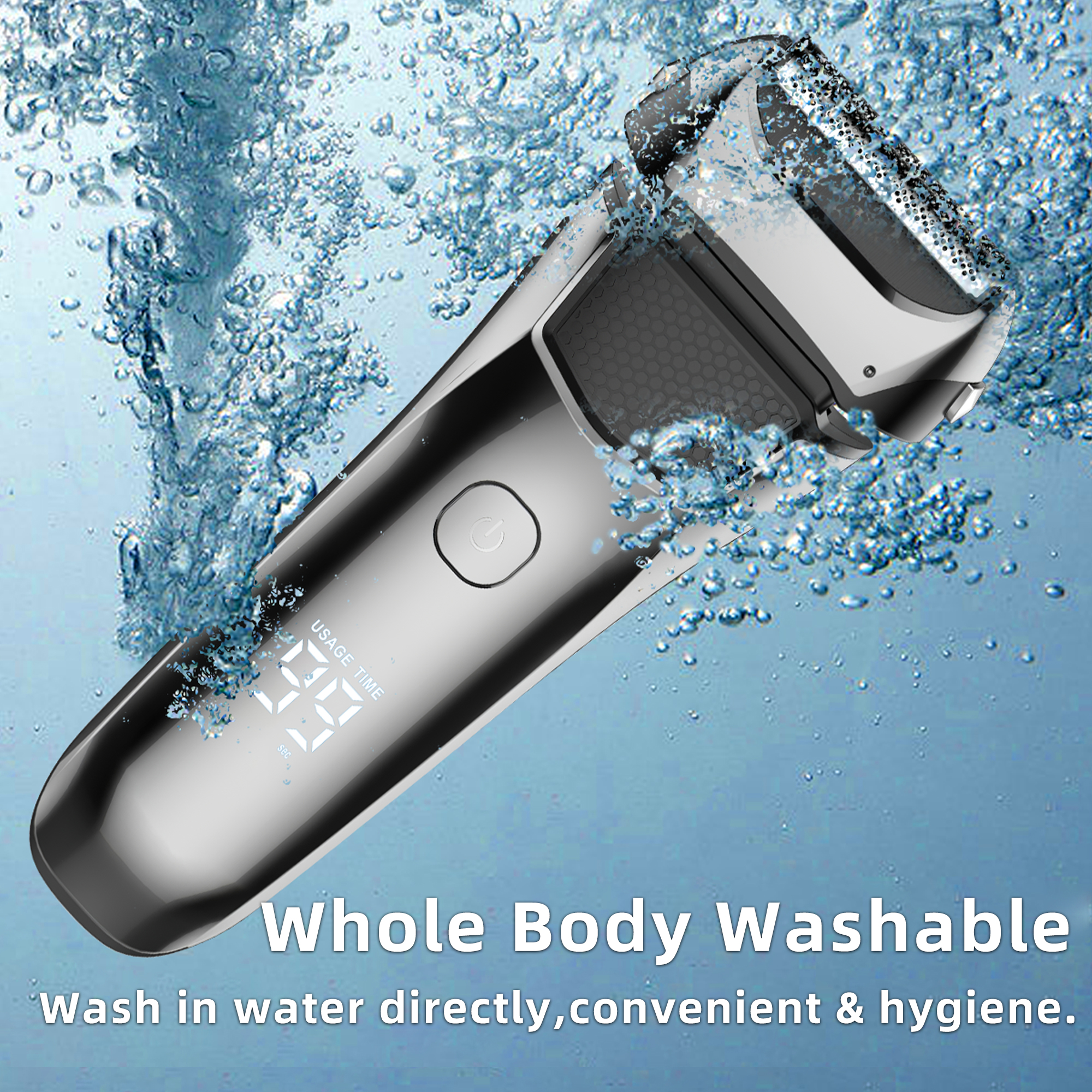
Understanding Shaver Types: Foil vs. Rotary
When it comes to electric razors, most people choose between foil and rotary models. These two main types work differently and affect how close the shave is and how comfortable the experience feels on the face. Foil shavers have those thin metal screens with tiny holes where hair gets cut by blades underneath that move back and forth. The way they cut gives really good results on flat parts of the face like cheeks, especially when dealing with lighter facial hair. But there's a catch though. Because the heads are pretty stiff, users need to move them in straight lines up and down to prevent pulling at the skin or causing redness.
Rotary shavers come with round heads that have blades spinning around independently. These blades move in all directions, making them good at following the shape of jaws, necks, and other parts of the face where skin curves. The way they spin makes it easier to deal with longer hairs, thick beard growth, or curly hair types too. Plus, most people find the circular motion pretty straightforward once they get used to it. On the flip side though, even though these shavers tend to be kinder to sensitive skin areas, folks often need to go over spots several times just to get as close a shave as what foil shavers can do on smoother skin patches.
According to research published by the Consumer Testing Institute in 2023, rotary shavers irritate sensitive neck skin about 38% less than foil shavers when used without water. On the flip side, those same tests showed foil shavers give roughly 27% closer results on smooth skin surfaces in lab conditions. The right choice really depends on what someone's face looks like and how their hair grows. People with square jawlines or thick beard hairs tend to find rotary blades work better for them because of how they move around curves. Folks who want razor sharp edges and have lighter facial hair usually go for foil shavers instead. How often someone shaves daily makes a difference too. Most regular shavers notice their rotary models cause less friction over time, but foil shavers still win out for quick fixes and detailed areas.
Matching Shaver Features to Your Skin Sensitivity and Hair Type
Finding a good shaver really comes down to what works best for different skin types and hair textures. People with sensitive skin often benefit from blades that are less likely to cause allergies, especially those with coatings made from materials like titanium or ceramic. And don't forget about wet/dry options which let folks use their favorite shaving gels or creams to cut down on skin irritation during the shave. A study published last year in the Journal of Dermatological Treatment found something interesting too - switching to wet shaving can actually reduce skin irritation problems by around 40% compared to regular dry shaving techniques. That's pretty significant for anyone dealing with razor burn or other shaving related issues.
Managing Irritation with Hypoallergenic Blades and Wet/Dry Flexibility
Foil shavers with floating heads help maintain consistent pressure across uneven contours—reducing micro-tears and inflammation. Self-cleaning systems further support skin health by limiting bacterial buildup, a known irritant trigger. Always prep with non-comedogenic oils and shave with the grain to preserve skin integrity.
Optimizing Performance for Coarse, Curly, or Fine Facial Hair
Hair texture strongly influences performance. Rotary systems cut multidirectional growth without pulling—making them especially effective for coarse, wiry, or curly hair prone to ingrown hairs. Foil shavers, meanwhile, offer superior control and closeness on fine hair and flat planes like cheeks or upper lips.
| Hair Type | Best Shaver Type | Key Benefit |
|---|---|---|
| Fine/Thin | Foil | Precision closeness & speed |
| Coarse/Wiry | Rotary | Pull-free cutting on dense growth |
| Curly/Prone to Ingrowns | Rotary | Reduces bumps with contoured gliding |
| Patchy/Uneven | Foil | Targeted detailing on jaw/neck |
For fast-growing or thick beards, prioritize motors rated above 10,000 RPM and auto-sharpening blades. Lighter stubble responds better to gentler settings to avoid over-exfoliation.
Key Technical Specifications That Impact Shaving Performance
Motor Power, Blade Sharpness, and Self-Sharpening Technology
The power of a motor, measured either in RPMs or CPMs, plays a big role in how fast something cuts and how efficient each pass is. When we talk about higher output motors, they basically mean fewer passes over the same area. This matters because repeated strokes can lead to friction against the skin and increase chances of irritation. The best blades out there have these tiny grooves on them plus special coatings at microscopic level which keeps them sharp enough for medical grade work, especially important if someone has thick or stubborn hair growth. Some models come with self sharpening features that keep working on the edge while actually being used, so those blades stay in good shape much longer than regular ones maybe around 70% longer according to some tests. Put all this together and what happens? Motors optimized for torque combined with really well made blades handle different types of beards without causing discomfort to the skin underneath.
Battery Life, Charging Speed, and Travel-Friendly Design
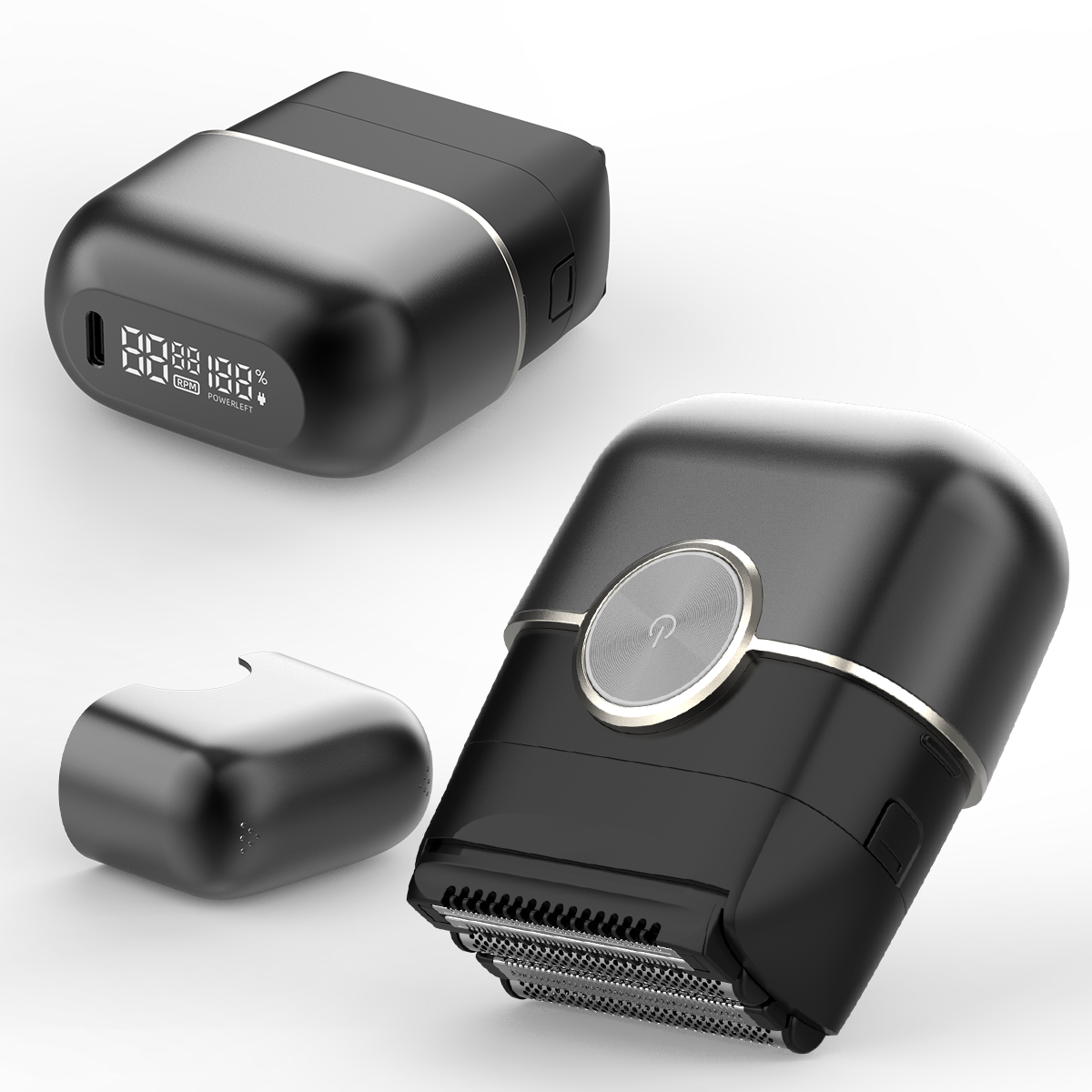
Modern lithium-ion batteries deliver 60+ minutes of cordless runtime—supporting weeks of daily use on a single charge. Five-minute quick-charge functions enable emergency shaves, adding real-world reliability. Travel-ready designs include:
- Universal voltage compatibility (100–240V)
- TSA-approved compact cases
- Physical lock switches to prevent accidental activation
- IPX7 waterproof construction for true wet/dry versatility
These features ensure consistent performance for commuters and frequent travelers—without sacrificing power or hygiene.
Top-Rated Shavers by Use Case: Daily Commuters, Travelers, and Sensitive Skin Users
Finding the right shaver really comes down to matching what matters technically with how people actually live their lives. Commuters who are always on the go need something that charges fast and works without being plugged in all day. Most good travel shavers last around 45 minutes or more on a single charge, which keeps those annoying low battery warnings at bay during busy workweeks. When it comes to traveling, look for models that don't tip the scales much over 5 ounces. They should have USB-C ports for easy charging and be compatible with different voltages across countries so there's no hassle abroad. People with sensitive skin will want blades made from materials that won't irritate, plus some kind of system that reduces vibrations against the face. Some newer models claim to cut down redness by about two thirds versus regular razors according to tests done by skin doctors. And don't forget about wet/dry capability if someone prefers using shaving cream or gel for extra comfort during their morning routine.
Performance highlights include:
- Commuter-focused shavers: Deliver 3-minute quick shaves with self-sharpening blades
- Travel-optimized models: Offer foldable heads and universal voltage compatibility
- Sensitive-skin solutions: Integrate cooling tech and hypoallergenic, dermatologist-tested materials