 EN
EN

Foil vs. Rotary: Performance, Comfort, and Travel Suitability for Portable Electric Shavers
Shaving Efficiency and Skin Comfort by Mechanism Type
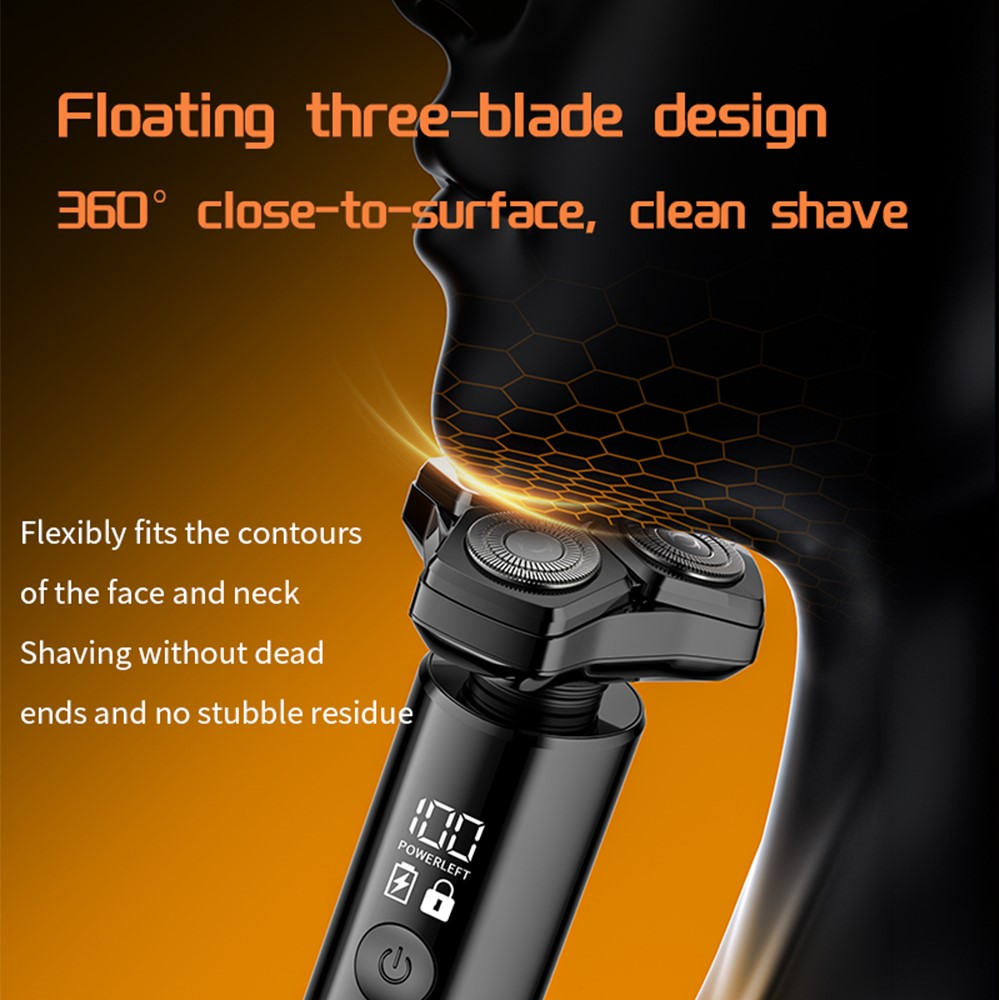
The choice between foil and rotary mechanisms fundamentally shapes the shaving experience of any portable electric shaver. Foil shavers use oscillating blades behind a thin, perforated metal screen to cut hair in a straight line—delivering a consistently close shave (0.1–0.2mm stubble) ideal for flat facial areas like cheeks and necks. This precision minimizes direct blade-to-skin contact, making foil shavers especially well-suited for sensitive or reactive skin. Rotary shavers, by contrast, employ three or four independently pivoting circular heads that adapt dynamically to facial contours—such as jawlines and chins—enabling faster coverage of uneven terrain. They typically leave slightly longer stubble (0.2–0.3mm) and excel with coarse or thick hair. For travel, the foil vs. rotary decision hinges less on universal superiority and more on personal factors: users with fine, straight hair and sensitivity often prefer foil’s gentleness and closeness; those prioritizing speed, adaptability, and performance on denser growth tend to favor rotary.
Durability, Blade Longevity, and Replacement Cost in Mobile Use
Durability is critical for portable electric shavers subjected to the rigors of travel—tumbling in luggage, temperature shifts, and frequent handling. Foil shavers feature a delicate metal screen that can dent or warp if dropped, increasing vulnerability during mobile use. Their cutting elements generally require replacement every 12–18 months, with foil-and-cutter kits ranging from $30 to $60. Rotary shavers benefit from sturdier construction, including protective outer rings and fewer exposed precision components. As a result, their replacement heads typically last 18–24 months and cost between $25 and $70—though pricing varies by brand and model. While both types incur recurring maintenance costs, rotary systems often offer greater peace of mind for travelers due to easier head swaps and higher impact resistance. Foil users should prioritize protective storage and careful handling to preserve longevity.
| Feature | Foil Shaver | Rotary Shaver |
|---|---|---|
| Typical Stubble Length | 0.1–0.2 mm | 0.2–0.3 mm |
| Best For | Straight/fine hair, sensitive skin | Thick/coarse hair, fast shaving |
| Durability (Drop Risk) | Moderate (foil screen fragile) | High (protective outer rings) |
| Blade Replacement Cycle | 12–18 months | 18–24 months |
| Replacement Cost Range | $30–$60 | $25–$70 |
True Portability: Design, Protection, and TSA-Ready Features
Ergonomics, Weight, and Protective Cap Effectiveness for On-the-Go Use
Ergonomics directly influence usability when shaving in transit—whether mid-layover in an airport restroom or before a meeting in a hotel bathroom. Optimal portable electric shavers weigh under 8 ounces and feature contoured, non-slip grips that prevent slippage on wet surfaces and reduce hand fatigue during quick, one-handed operation. A fully enclosing protective cap is essential: it safeguards blades from damage in luggage and prevents accidental activation in crowded bags. To verify security, gently shake the capped unit—no rattling or loosening should occur. Top-tier travel models integrate locking caps that snap into place, combining impact resistance with dustproofing for reliable performance amid transit chaos.
IPX Ratings, Travel Cases, and USB-C/TSA-Compliant Charging Solutions
Water resistance significantly expands versatility and safety. IPX7-rated shavers—capable of surviving full submersion up to 1 meter for 30 minutes—are ideal for wet shaves, shower use, or accidental drops in sinks. Hard-shell travel cases with molded interiors secure both the shaver and accessories while incorporating TSA-compliant locks to streamline checkpoint processing. Modern portable shavers increasingly adopt USB-C charging, enabling rapid top-ups (e.g., 30 minutes for one full shave) via power banks, laptops, or airport kiosks. Proprietary chargers add unnecessary friction; universal compatibility ensures you’re never stranded. TSA-friendly charging also means compact cords under 4 feet—eliminating bulky adapters and simplifying security screening.
Battery Reliability and Charging Intelligence for Frequent Travelers
Real-World Battery Life, Fast-Charging, and Lithium-Ion Health Management
For frequent travelers, battery reliability isn’t just about runtime—it’s about predictability, resilience, and longevity across diverse environments. Lab-rated battery life often overstates real-world performance; expect 45–60 minutes per charge during actual travel conditions—sufficient for most weekend trips but requiring strategic planning for extended journeys. Fast-charging capability is indispensable: a 5-minute charge should deliver one complete shave, and a full recharge in under 60 minutes eliminates downtime during layovers or short hotel stays.
Modern portable electric shavers rely on lithium-ion batteries for their superior energy density and lightweight profile—but only intelligent management preserves their long-term health. Key features to prioritize include:
- Adaptive charging circuits, which reduce current as the battery approaches full capacity to prevent stress and overcharging
- Real-time temperature sensors, pausing charging if internal heat rises beyond safe thresholds
- Battery health monitoring, providing transparent feedback on capacity degradation over time
These systems can extend usable battery life by up to two times compared to basic charging solutions—translating to hundreds of reliable shaves without performance drop-off. For optimal storage between trips, maintain a 40–60% charge level to support lithium-ion chemistry stability.
Skin-Friendly Operation and Low-Effort Maintenance for Portable Electric Shavers
Wet/Dry Versatility and IPX7 Waterproofing for Flexible Routines
IPX7 waterproofing unlocks true grooming flexibility for travelers. It enables safe, effective wet shaving with gels or foams—and even in-shower use—reducing mechanical friction and associated irritation. According to Consumer Reports (2023), wet-shaving capable shavers lower reported skin irritation by 58% compared to dry-only models. At the same time, seamless dry-shaving functionality supports rushed mornings or locations where water access is limited. This dual-mode operation accommodates varying skin sensitivities, environmental constraints, and time pressures without compromise.
Rinseable Heads, Self-Cleaning Stations, and Hygiene in Compact Form Factors
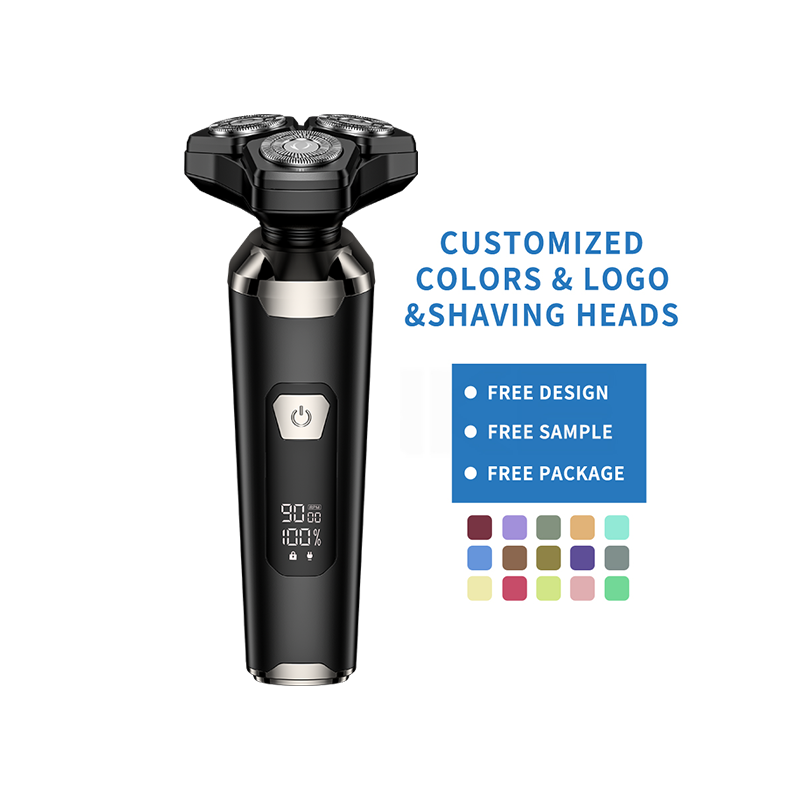
Low-effort maintenance is non-negotiable for travel-ready shavers. Rinseable heads allow thorough cleaning under running water in seconds—critical for preventing bacterial buildup during multi-day trips. Advanced compact models incorporate micro self-cleaning stations using UV-C light to sanitize blades in just 90 seconds, maintaining hygiene without adding bulk. Modular component design further supports airflow and complete drying, mitigating corrosion risks in humid climates or damp toiletry bags. Dermatology Times (2023) found travelers using integrated hygiene systems experienced 72% fewer incidents of razor burn and folliculitis—demonstrating how thoughtful engineering translates directly to healthier skin on the go.
Table of Contents
- Foil vs. Rotary: Performance, Comfort, and Travel Suitability for Portable Electric Shavers
- True Portability: Design, Protection, and TSA-Ready Features
- Battery Reliability and Charging Intelligence for Frequent Travelers
- Skin-Friendly Operation and Low-Effort Maintenance for Portable Electric Shavers