 EN
EN

Long-Term Cost Savings: Premium Shaver vs. Disposable Alternatives
Five-year cost comparison: high-end shaver versus cartridge razors
People who stick with cartridge razors typically end up spending around $700 each year on replacement blades alone. That adds up to well over $3,500 after just five years without even counting things like shaving gels or foams that cost about $120 per year. These products aren't really necessary when someone owns a quality electric shaver though. On the flip side, high end electric models need new blades every six months at roughly $30 each. So over those same five years, total costs come out to about $300. That's nearly a 90% savings compared to traditional methods. What makes this even better is that there's no need for extra skin treatments caused by razor burn or cuts either. Plus nobody has to waste time dealing with irritated skin after their morning shave anymore.
Hidden costs of low-end shavers: battery degradation and premature replacement
The real money pit with budget electric shavers comes from their batteries dying way too fast. About 68% of them start having power problems within just 18 months, which means spending anywhere from $40 to $80 for replacements roughly every other year. When we throw in those annual foil changes that run around $25 each time, these cheaper models actually end up costing about 40% more than high-end ones when looking at a ten year timeframe. Let's talk about what makes this happen technically speaking. Premium lithium ion batteries hold onto about 80% of their original power even after going through 500 complete charge cycles. Meanwhile, those cheaper nickel based options fall apart three times quicker according to various battery testing standards out there.
Superior Skin Health: How Advanced Shaver Engineering Reduces Irritation
Foil vs. rotary shaver designs: evidence-based impact on razor bumps and sensitivity
Foil shavers work by using oscillating blades positioned under a thin, perforated screen that cuts hair right at skin level without the blade actually touching the skin directly. This design significantly reduces the risk of those tiny abrasions that can irritate the skin. When these small tears happen, they set off cytokine reactions which lead to redness and that uncomfortable burning sensation many people experience after shaving. On the other hand, rotary shavers function differently. They grab hairs and pull them upwards before making the cut, which puts extra strain on the hair follicles. Studies comparing different shaving methods have found that foil shavers cut down on razor bumps by about 40% for individuals with sensitive skin. The main reason? They eliminate hair tugging, which is actually what causes most cases of pseudofolliculitis barbae.
Hypoallergenic materials and adaptive foil systems in premium shaver models
The best quality razors now come with special foils that don't contain nickel and blades coated in titanium to stop reactions on sensitive skin. These materials matter because many people with allergies or sensitive complexions get irritated by regular metals. The razor heads also have suspension systems that keep pressure even when moving over different parts of the face, so skin doesn't get squished against the blades. Some models include vibration reduction tech and cooling components that help keep things from getting too hot while shaving. All these little innovations work together to form a kind of shield between the blade and actual skin surface. This means folks can get really close shaves without their skin breaking out or getting damaged in the process.
Time Efficiency and Consistent Performance Across Daily Use
High-speed motors (10,000+ CPM) and intelligent shaving algorithms for faster, closer results
High end shavers feature powerful motors that spin over 10 thousand times per minute along with smart sensors that actually sense how thick the hair is and which way it grows. These devices then tweak their motor speeds and blade movements so they maintain just the right amount of pressure against the skin, even when going over tricky areas such as under the chin or along the neck line. According to some research in the field, people who switch to these kinds of shavers often find themselves spending about 40 percent less time in front of the mirror. They also tend not to miss spots anymore and get rid of all the hair in one go rather than having to go back again and again. Traditional razor blades need several passes plus constant relathering, but premium models provide smooth results without irritation, making them great for those mornings when time is really tight.
Durability and Blade Longevity: Built-to-Last Shaver Design
High end razors keep performing well over time because their blades stay sharp for around 18 to 24 months even with daily shaving sessions, which beats out those cheap disposables hands down. The blades are made from corrosion resistant titanium while the foils use hardened stainless steel that stands up better against tiny cracks and gradual dulling from regular use. Budget razors tell another story entirely though. They often come with flimsy plastic bodies and weak motors that give up the ghost after just a few months in action. Premium models avoid this problem altogether, saving money in the long run since people don't have to replace them so frequently. Plus, many top quality razors feature modular designs where folks can swap out individual parts like the foil, battery or motor instead of tossing the whole unit. According to various studies on product lifecycles, this approach cuts down electronic waste by about 72% when compared to throwing away entire razers. All these design choices result in consistent shaving experiences without tugging or irritation across countless shave cycles.
Maximizing Lifespan Through Proper Shaver Maintenance
Cleaning, lubrication, and storage best practices backed by Braun and Panasonic service data
Manufacturer service records show neglected shavers fail 2–3 years sooner than those maintained per recommended protocols. Follow these evidence-based steps:
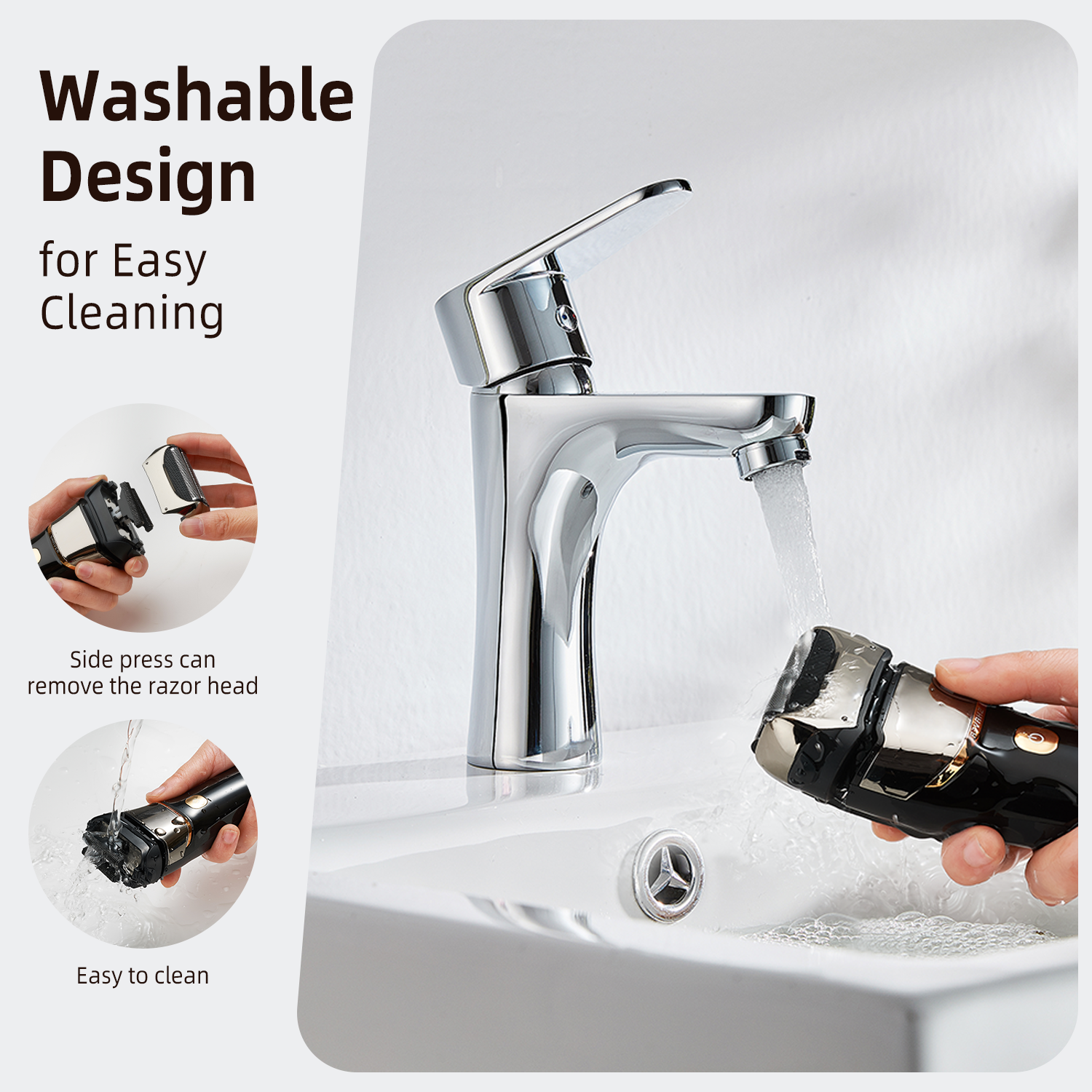
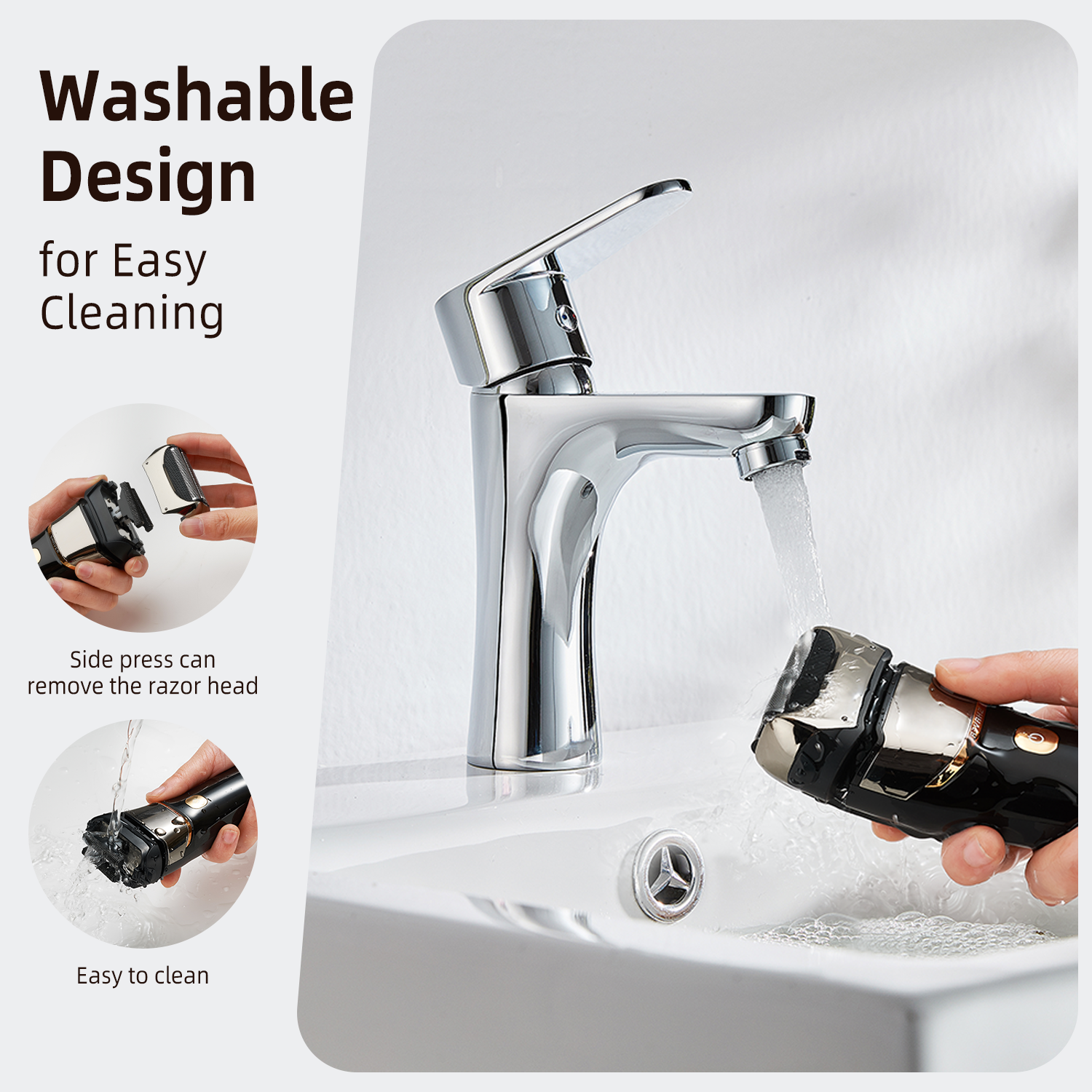
- Daily cleaning prevents hair and sebum buildup that accelerates blade dulling—use included brushes or rinse under water (for waterproof models) immediately after use
- Weekly lubrication cuts blade friction by 40% in durability testing; apply 1–2 drops of manufacturer-approved oil directly to cutting elements
- Dry storage in ventilated areas inhibits bacterial growth and moisture-induced corrosion—never store in humid bathrooms
These practices preserve motor efficiency and extend functional lifespan by 3–5 years. For maximum longevity, pair routine care with annual professional servicing.
Table of Contents
- Long-Term Cost Savings: Premium Shaver vs. Disposable Alternatives
- Superior Skin Health: How Advanced Shaver Engineering Reduces Irritation
- Time Efficiency and Consistent Performance Across Daily Use
- Durability and Blade Longevity: Built-to-Last Shaver Design
- Maximizing Lifespan Through Proper Shaver Maintenance