 EN
EN

Key Features That Define Easy-to-Operate Hair Clippers for Home Users
Ergonomic Design and Lightweight Build for Confident One-Handed Use
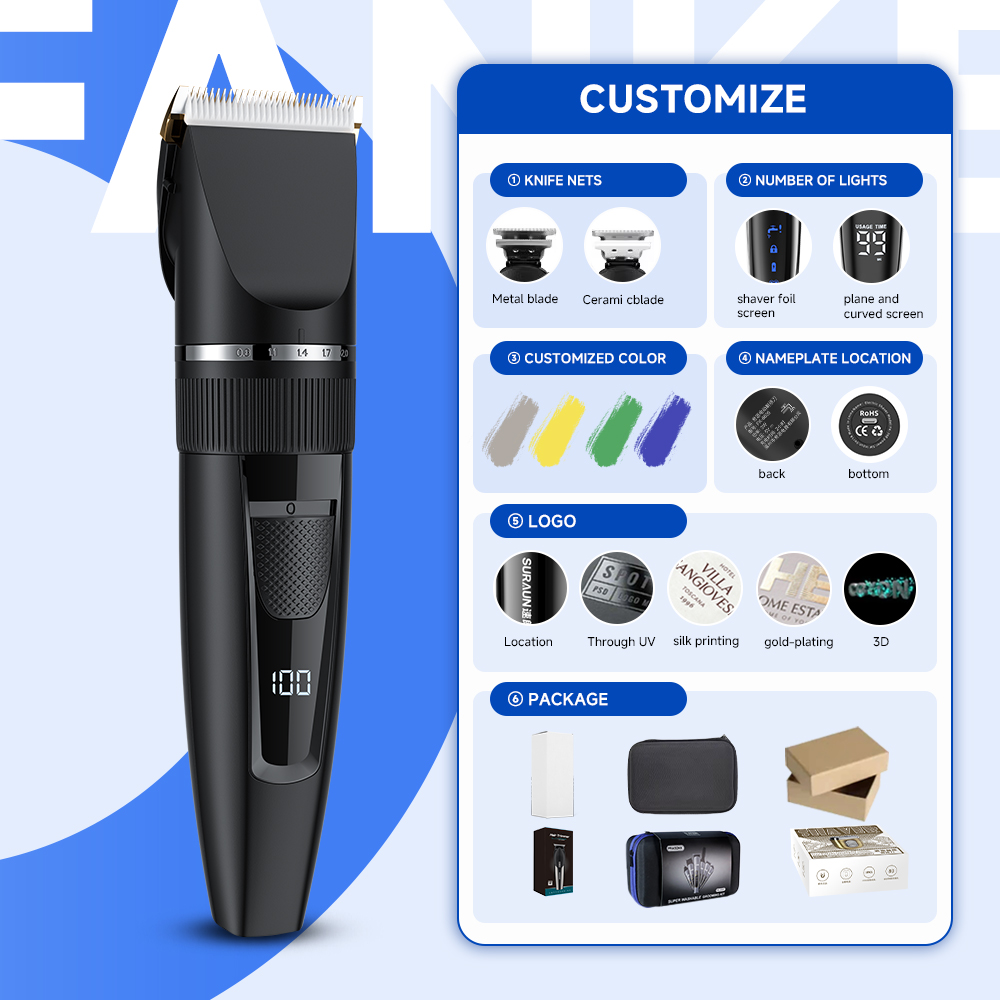
When cutting hair at home, having tools that fit comfortably in the hand makes all the difference. Hair clippers that weigh less than 1.5 pounds are much better for long sessions since they don't tire out the wrists so quickly. The way these clippers are shaped matters too. Most have contoured grips and weights spread out just right so they stay put even when hands get damp from water or soap. This helps prevent slips and gives better control when working on tricky areas like around the ears and neckline. Many models also feature textured rubber coatings on the handles. These grippy surfaces really help when trying to operate with just one hand, making the whole process less stressful and more manageable for DIY haircuts.
Intuitive Controls: Single-Button Operation, Click-Stop Length Dials, and Clear Visual Indicators
Complex interfaces frustrate home users. The best hair clippers streamline interaction with:
- A single-button power switch for instant activation
- Click-stop length dials that provide audible and tactile feedback with each adjustment
- Numbered, color-coded guards (e.g., #1 = 3mm) paired with clear visual guides
- Backlit displays showing real-time battery or charge status
Together, these features eliminate guesswork—making mid-cut length changes seamless and reliable.
Quiet, Low-Vibration Performance for Stress-Free Cutting in Shared Living Spaces
The loud roar of traditional motors can really scare little kids and generally mess up household routines. Brushless engines are a game changer here since they run under 60 decibels, which is actually quieter than people talking normally, plus they don't vibrate much at all. No more numb fingers when doing intricate grooming tasks, and parents can finally trim their kid's hair without waking everyone up in the house. The lower noise level makes a big difference for folks new to cutting their own hair too. Many people who might have been too nervous to try home grooming simply because of the noise factor are now giving it a shot thanks to these quieter options.
Corded vs. Cordless Hair Clippers: Balancing Simplicity, Power, and Practicality
Corded Hair Clippers: Uninterrupted Power and Zero Setup Complexity
Corded hair clippers keep running steady without worrying about charging or sudden shutdowns halfway through a cut. These work best when dealing with really thick or coarse hair types because the motor stays powerful throughout. Sure, the cord restricts movement around the house, but many come with those special tangle free cords that make things easier to set up. People who just want something simple to plug in and go will find these models incredibly easy to operate compared to their wireless counterparts.
Cordless Hair Clippers: Realistic Runtime, Fast Charging, and Smart Battery Indicators
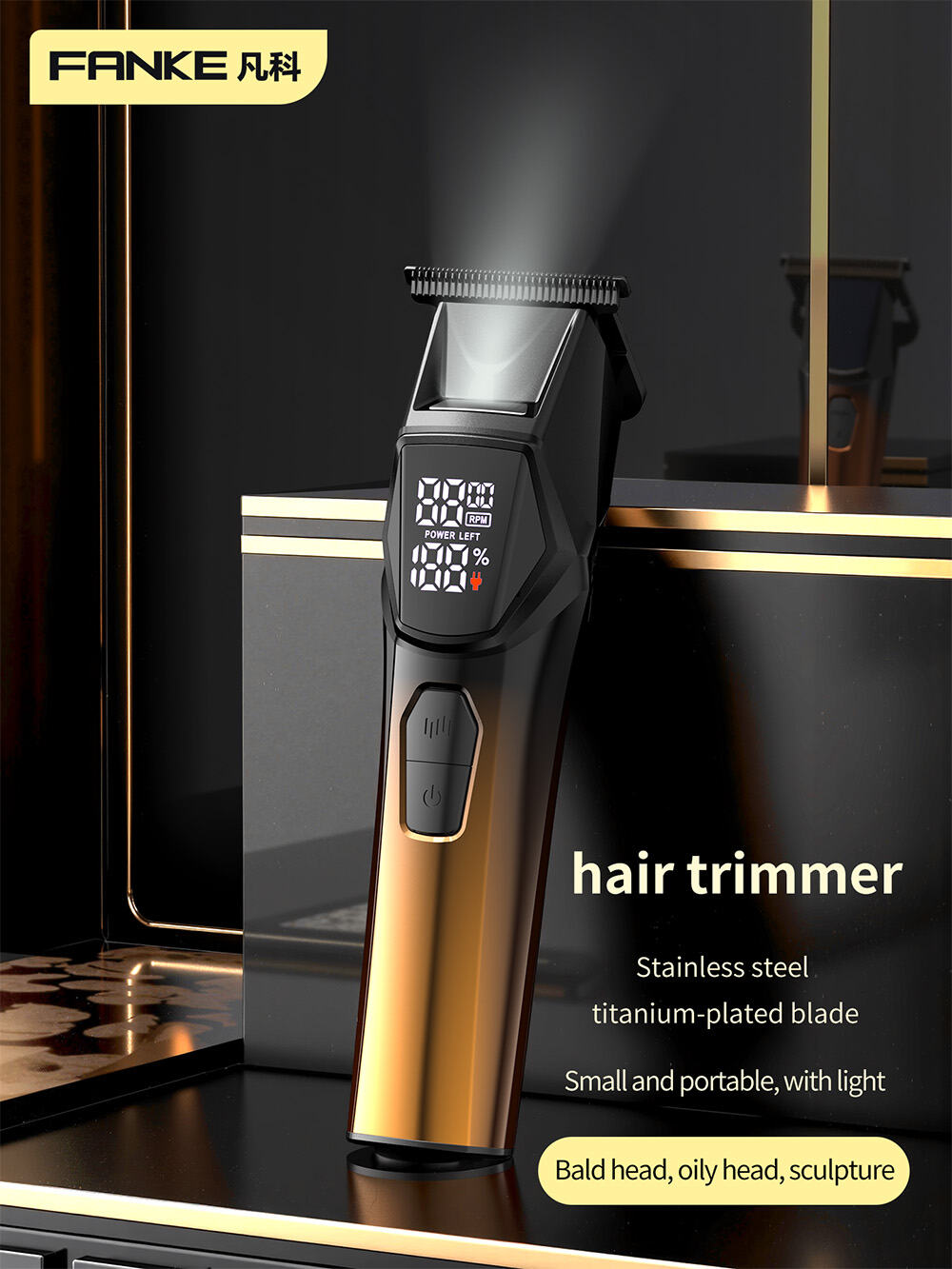
Wireless hair clippers give people much more freedom when it comes to moving around and where they can actually place them during use, which is really handy in places like bathrooms or common areas where finding an outlet isn't always easy. These days, most models come with lithium ion batteries that last anywhere from about an hour to almost ninety minutes, plenty long enough for regular at home grooming sessions. They also charge back up pretty quickly, often getting full power in less than half an hour. The inclusion of LED displays showing battery levels helps avoid those annoying situations where the clipper dies mid cut. Plus there are some smart features built in too, like torque control adjustments that keep the blades performing consistently even as the battery starts running low on juice.
Attachment Systems and Length Control: Simplifying Precision Without Compromise
Snap-On Guards vs. Adjustable Combs: Speed, Consistency, and Error Prevention
When it comes to getting accurate cuts at home, reliable length control is where it all begins. Snap-on guards come with colored combs set at specific lengths like 3mm or 6mm that snap right onto the clipper blade without any fuss. These pre-set designs give pretty much the same result every time and stop those annoying calibration issues that plague other systems. Home tests actually showed around 40% fewer trimming mishaps when people used these fixed combs. Adjustable ones might seem flexible but they need constant adjustment during use. People often find them shifting while cutting, which leads to messy lines particularly if someone isn't very experienced yet. The snap-on approach focuses on quick setup, repeatable outcomes, and basically foolproof operation, so most folks who try DIY haircuts end up preferring this system over others.
Why Home Users Don’t Need Professional-Grade Hair Clippers—And What to Choose Instead
Hair clippers made for professional salons come loaded with features that really don't matter much for people who only cut their own hair occasionally at home. They have those super strong motors, complicated blade mechanisms, and built like tanks which drives up the price anywhere from 60 to maybe even 80 percent more than what's actually needed. But honestly, all this extra stuff just creates more noise when cutting, annoying vibrations in the hand, and makes cleaning and maintenance a bigger hassle than it should be. Most families probably only need to give someone a trim once every few weeks or so, maybe even less often. So spending extra money on something that lasts forever when regular home use would barely scratch the surface just doesn't make sense for the average person.
Go for hair clippers designed specifically for home use instead. Look for ones that are light on the hands, don't make too much noise, and have those handy snap-on guard attachments. Most good models come with simple one button operation and handles shaped to fit comfortably in most people's grip. They cut straight lines and create nice fades without needing any special training or spending a fortune. When manufacturers leave out all those fancy professional features, what we get is something easier to handle, more comfortable during longer sessions, and actually worth the money in the long run. The savings can then be put toward things that really matter like getting better batteries that last longer or improving how well they fit different hand sizes.
Table of Contents
- Key Features That Define Easy-to-Operate Hair Clippers for Home Users
- Corded vs. Cordless Hair Clippers: Balancing Simplicity, Power, and Practicality
- Attachment Systems and Length Control: Simplifying Precision Without Compromise
- Why Home Users Don’t Need Professional-Grade Hair Clippers—And What to Choose Instead