 EN
EN

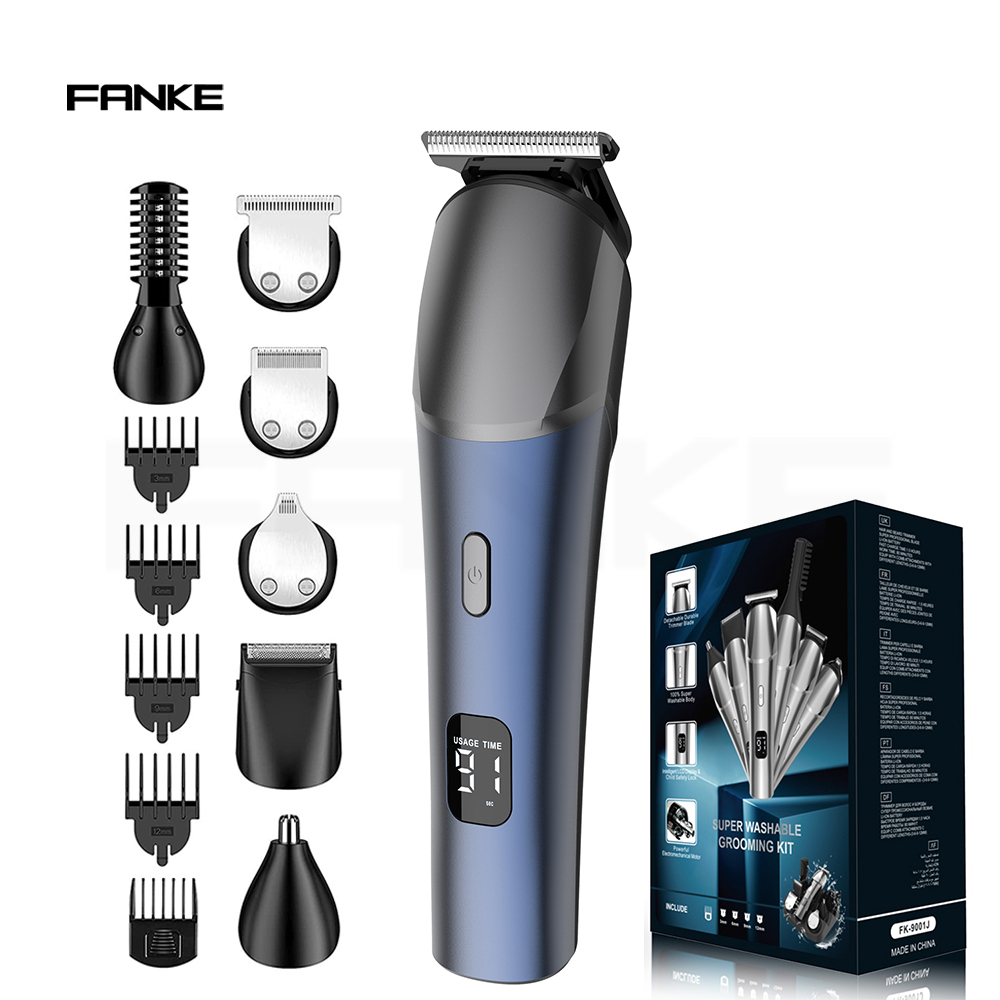
Why Proper Maintenance Matters for Hair Clippers for Men
Not taking care of those hair clippers does way more damage than just giving bad haircuts. Dirty blades collect all sorts of skin bits and germs, which can actually lead to infections when they come into contact with the skin. According to some research published last year, uncleaned grooming tools end up holding about 60% more bacteria after just ten uses. And let's face it, nobody wants that kind of stuff getting anywhere near their head. Regular maintenance matters for another reason too. When hair gunk builds up, it creates extra friction that wears down blades at least three times quicker than normal. This means rough tugging during shaves and those annoying patchy spots where the clipper didn't catch properly. A little oil goes a long way here too. Just keeping blades lubricated can stretch their lifespan by almost a full year and a half. Plus, clean blades work better overall because the motor doesn't have to struggle so much. For guys serious about looking good, proper upkeep turns expensive clippers into real money savers instead of quick disposables. We're talking around $120 saved each year on new ones. So yeah, spending five minutes cleaning them now and then really pays off in the long run. Not only will haircuts look better, but there's also less chance of redness or irritation afterward. That's what makes all the effort worthwhile in the end.
Step-by-Step Cleaning and Sanitizing of Hair Clippers for Men
Regular cleaning preserves blade sharpness and prevents bacterial buildup. Daily maintenance takes under a minute, while weekly deep cleaning ensures optimal hygiene and long-term reliability.
Daily Wipe-Down and Brushing to Remove Hair and Debris
Always remember to unplug the gadget after using it for safety reasons. There's a little brush that comes with most devices specifically for clearing out hair bits stuck in the blades and around the air vents. Grab a dry microfiber cloth (the kind they sell at stores) and run it over all the surfaces to pick up anything left behind. Doing this regularly stops those annoying buildups that cause extra friction and wear down sharp edges faster than normal. Most companies actually say people who clean their tools every day end up replacing blades about 40% less often, though results can vary depending on how much someone uses theirs.
Weekly Deep Cleaning with Isopropyl Alcohol or Barbicide
Take apart those removable blade pieces according to what the manual says. Give them a good soak in at least 70 percent isopropyl alcohol or Barbicide for around ten minutes to kill off any germs hanging around. For those tough spots that won't come clean, grab a soft toothbrush and give them a gentle scrubbing session first. Then rinse everything off under warm running water until it looks decent enough. Let all the parts dry thoroughly on a clean towel overnight so they don't start rusting from moisture left behind. Don't forget to put some fresh lubricant back on before putting everything together again if we want things moving smoothly when we're done.
| Task | Frequency | Tools Required | Key Benefit |
|---|---|---|---|
| Debris Removal | Daily | Brush, dry cloth | Prevents friction damage |
| Full Sanitize | Weekly | Alcohol/Barbicide, toothbrush, towel | Eliminates pathogens & rust risks |
Proper disinfection protocols keep hair clippers performing like new. Never skip drying—trapped moisture accelerates corrosion in precision components.
Correct Lubrication Practices to Sustain Sharpness and Smooth Operation
Getting enough lubrication right is really important for keeping things running at their best. When we forget to oil regularly, those blades start rubbing against each other and creating way too much heat. Some research on tool care actually shows this kind of friction can wear down components about 70% faster over time. The consequences are pretty noticeable too. Blades get dull quicker and people end up dealing with annoying hair tugging when they try to cut. Regular oil application helps cut down on that constant scraping between blades and stops rust problems caused by dampness or leftover hair bits sticking around. Most folks find good results by putting on some oil both before starting work and after finishing up. Just spread it all over the moving areas as they go along makes a real difference in how long everything lasts.
Choosing and Applying the Right Oil: Mineral vs. Synthetic for Hair Clippers
| Oil Type | Advantages | Considerations | Recommended Frequency |
|---|---|---|---|
| Mineral Oil | Non-toxic, skin-safe formulation | Requires more frequent application | After every 2–3 uses |
| Synthetic Oil | Higher heat resistance, longer-lasting | May leave residue if over-applied | Weekly for heavy usage |
Most folks still go with mineral oil as their go-to choice because it works well with skin and flows easily into those tight blade gaps without leaving residue behind. But there are synthetic options out there too that handle heat better than traditional oils. We've seen test results showing they can cut down on friction temps by around 15 to 20 degrees Fahrenheit during long runs. When applying lubricant, just put about two or three drops along the blade path and let the clippers run for half a minute so everything gets properly coated. Stay away from plant based oils though since they tend to break down over time and actually pull in dirt instead of keeping things clean. According to clipper makers, blades that get regular maintenance last roughly six to eight extra months before needing replacement compared to ones that sit dry all the time.
Preserving Blade Sharpness: Signs of Dulling and When to Replace or Sharpen
Maintaining sharp blades ensures precise cuts and prevents skin irritation during grooming. Dull blades compromise performance and increase infection risk from uneven cuts.
Recognizing Early Warning Signs: Pulling, Skipping, and Uneven Cuts
Watch for these indicators of blade deterioration:
- Pulling: A tugging sensation during use signals reduced cutting efficiency
- Skipping: Blades glide over hair without trimming
-
Uneven results: Patchy cuts requiring multiple passes
These symptoms often stem from debris buildup or edge wear. Ignoring them accelerates blade degradation and causes discomfort.
Replacement vs. Professional Sharpening — What’s Best for Long-Term Use?
Consider these factors when blades underperform:
| Approach | Best For | Longevity Impact |
|---|---|---|
| Replacement | Severely chipped or corroded blades | Immediate optimal performance |
| Professional sharpening | Moderate wear | Extends lifespan by 6–12 months |
Sharpening preserves original blade geometry at lower cost but has limitations. Replacement becomes necessary when cutting edges thin beyond repair. Base decisions on usage frequency: heavy-use blades typically require annual replacement, while occasional use benefits from sharpening.