 EN
EN

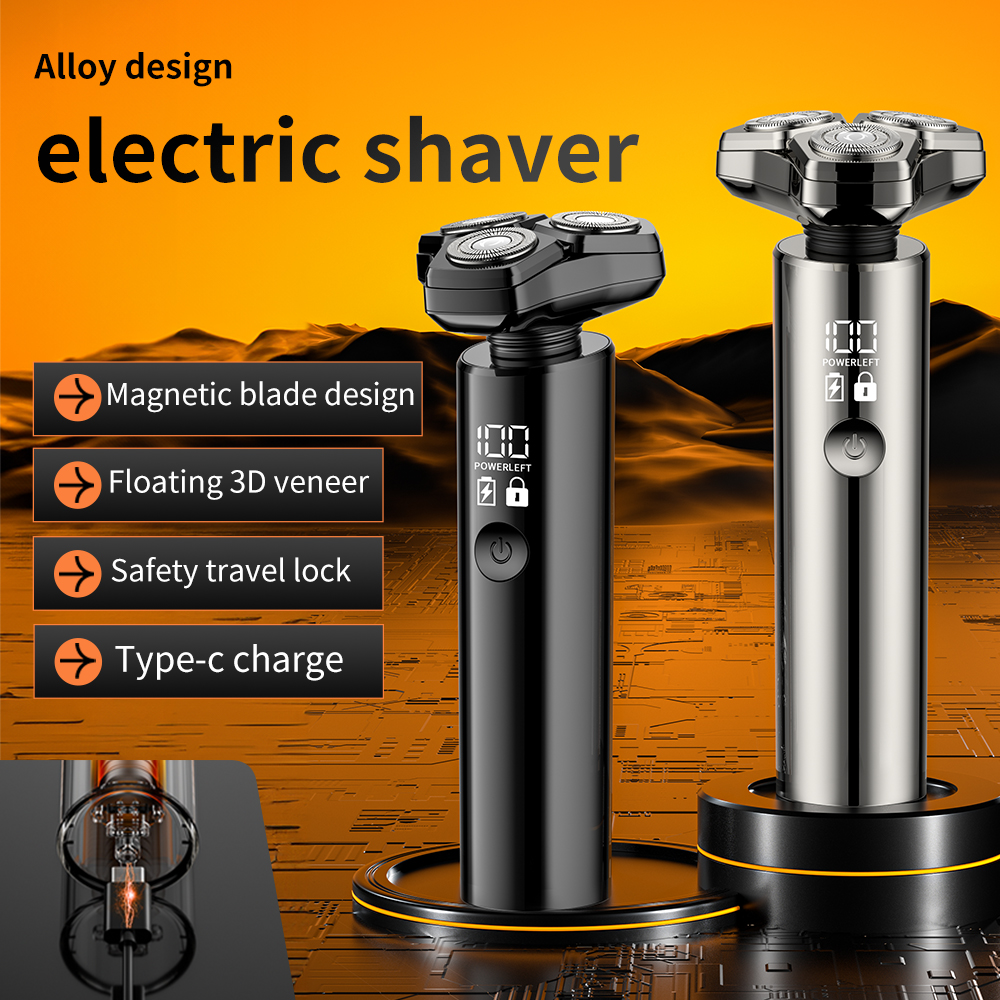
Assess Your Beard and Skin Profile First
Beard texture: density, coarseness, and growth pattern impact on electric shavers
The thickness, roughness, and how your beard grows all play a big role in figuring out what kind of electric razor works best. Thick facial hair needs something with real power behind it usually around 10 thousand RPM or more so it cuts through without pulling at the skin. For those with really coarse hair, regular blades just won't do the job right. That's why many people find that titanium coated blades last longer and handle tough keratin better over time. What direction does your beard grow? If it goes every which way, then a rotary head with moving parts makes sense. Straight growing beards tend to work better with the straight cutting action of foil razors. Get this wrong and things get messy fast patches here there, multiple passes needed, and blades wearing out quicker than expected. According to recent studies in grooming technology, guys who shaved with equipment matched to their specific beard type saw about 40 percent fewer problems with ingrown hairs compared to others.
Skin sensitivity and type: minimizing irritation and razor burn with the right electric shavers
The right electric shaver can help manage skin issues or actually make them worse, all depending on whether its tech matches what our skin really needs. People with sensitive skin generally find foil shavers work wonders since they come with those special stainless steel screens that stop the blades from touching directly. This cuts down irritation quite a bit, maybe around 70 percent less friction than when using rotary models. For folks dealing with oily faces, getting one that works both dry and wet makes sense because it lets them clean before shaving, which helps clear out that stubborn sebum clogging pores. Those with dry skin might want to look for shavers that have some kind of moisturizing feature built in, like a strip infused with aloe vera or tiny foam dispensers. Combination skin types need something else entirely - adjustable pressure settings so different parts of the face get just the right amount of contact. When there's a good match between what the shaver offers and what the skin requires, most people notice fewer cases of razor burn. Some studies suggest this could cut incidents by about half, making everyday shaving possible without wrecking the skin's protective barrier.
Rotary vs. Foil Electric Shavers: Which Technology Fits Your Needs?
Core Mechanics and Motion Differences—and How They Affect Closeness and Comfort
Foil shavers work with straight blades that move back and forth under a thin mesh screen. Hairs get cut when they pass through these tiny holes in the screen. The straight motion works really well on flat areas and for people with fine to medium thickness beards, giving shaves that leave about 0.1 to 0.2 millimeters of stubble behind. On the other hand, rotary shavers have round heads with blades that spin around. These spinning blades lift hair first before cutting it along multiple directions. The heads can bend and move with the face shape, so they're great for folks with thick beards or tricky angles like under the chin. Foil shavers tend to give cleaner lines around the edges, but rotary ones don't pull as much on thick facial hair. People who have sensitive skin often find that foil shavers irritate less because their contact with the skin is generally softer during shaving.
Real-World Performance Trade-offs: Speed, Noise, Contouring, and Maintenance Effort
When it comes to shaving a full beard, rotary shavers generally finish the job about 25 to 40 percent quicker than their foil counterparts. The reason? They cover more ground at once and move better around the face. But there's a tradeoff here too. These machines tend to be louder, often hitting over 70 decibels compared to around 60 to 65 for foil shavers. When dealing with tricky spots like the curve under the chin (that pesky Adam's apple area), rotary shavers glide right over them without issue. Foil models usually need several passes to get those same angles right. As for maintenance, these two types couldn't be more different. Foil shavers really need a good brushing out each week to stop hair from getting stuck in all those tiny holes. Rotary heads can go 2 to 3 weeks before needing attention. And let's not forget replacement costs either. Most people find themselves replacing foil blades every year or so, which adds up over time.
Lifestyle-Driven Features That Maximize Daily Usability
Wet/Dry Compatibility and Your Preferred Shaving Routine
The ability to work both wet and dry really broadens what people can do when it comes to shaving. Waterproof designs let folks shave in the shower using their favorite gel or cream products, which works great for those with sensitive skin or thick beards that need some extra slip during the process. On the flip side, many models also handle dry shaving pretty well, making them good for quick fixes when there's no time for all the usual preparation stuff. About three quarters of regular users actually switch between these methods depending on how much time they have and what their skin feels like at any given moment, as reported by last year's edition of the Grooming Journal. When shopping around for an electric razor, most men find themselves leaning toward either one that excels in wet conditions if they want less redness, or something better suited for fast dry runs through the beard.
Battery Life, Charging Speed, Portability, and Ergonomic Design for Consistent Use
Four interconnected features ensure seamless daily operation:
- Battery endurance: 60+ minute runtime prevents mid-shave power loss
- Rapid charging: 5-minute quick charges deliver emergency shaves
- Travel-ready design: Compact builds with locking mechanisms avoid baggage mishaps
- Ergonomic grips: Contoured handles prevent slippage during wet conditions
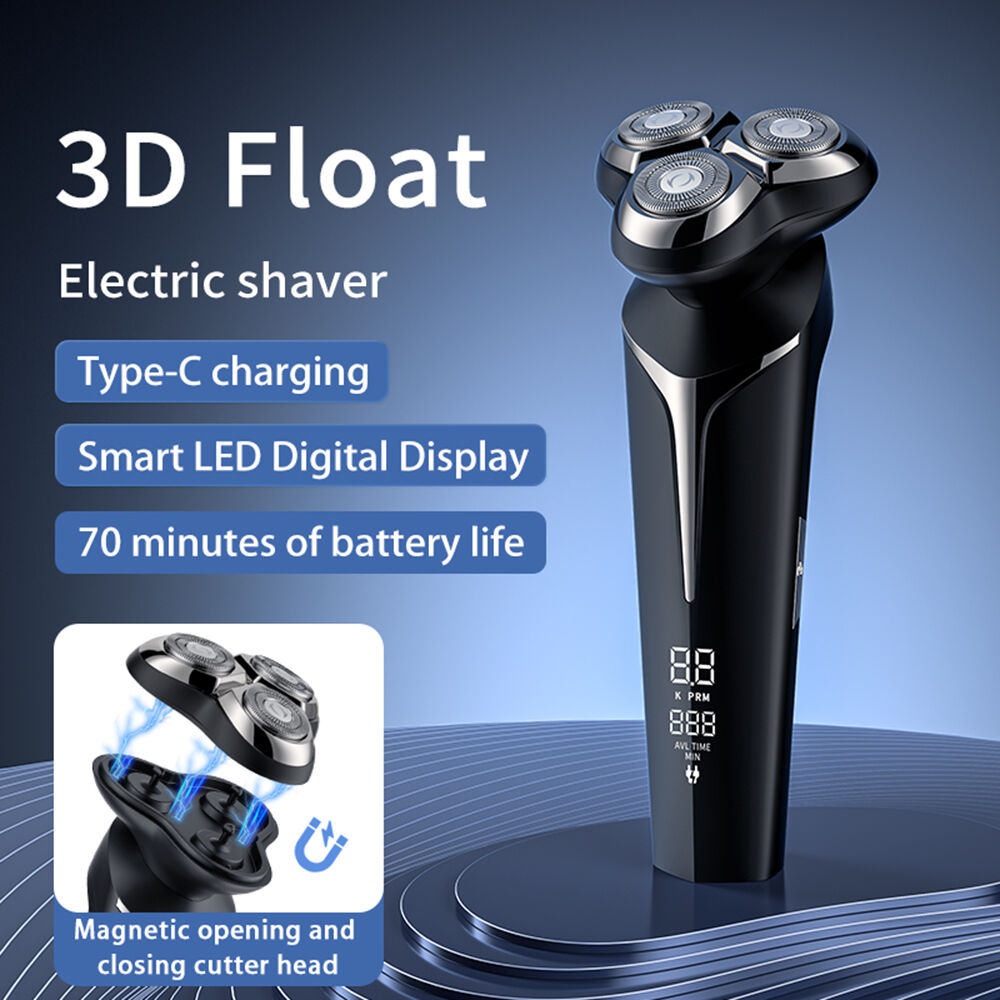
Prioritize based on mobility needs—frequent travelers benefit most from compactness and USB-C charging. Balanced weight distribution (under 400g) minimizes wrist fatigue during longer sessions.
Long-Term Value: Maintenance, Durability, and Cost of Ownership
The real worth of an electric shaver goes way beyond just the sticker price at checkout. Three main things determine long term value: how much upkeep it needs, how long it lasts, and what it all costs when adding everything together. Shavers that need special replacement parts such as blades or foils every year or so end up costing more in the long run than what people paid originally. The toughness of these devices has a lot to do with their construction materials. Those made with stronger plastics or even some metal components tend to hold up better through regular shaving sessions compared to cheaper plastic models that break down faster. According to recent research from the grooming sector in 2023, folks who invested in sturdier shavers actually spent around 37 percent less over five years compared to those constantly buying new budget options because theirs kept breaking.
Cleaning is something worth thinking about when choosing a razor. Some models require taking them apart every week, which can get old fast. Others are waterproof so people just rinse them off after use. The difference matters because it affects how much time someone spends on maintenance plus what they might spend on special cleaning products. When looking at what makes sense over months or years, folks should consider how often they actually shave. Those who go daily usually find it pays off to buy a good quality razor that lasts longer and has easy to replace parts rather than settling for cheaper options that feel like they'll be tossed away soon enough.