 EN
EN

Rotary vs. Foil Electric Shavers: Matching Technology to Your Skin and Beard
How Mechanical Design Impacts Cutting Efficiency and Hair Lift
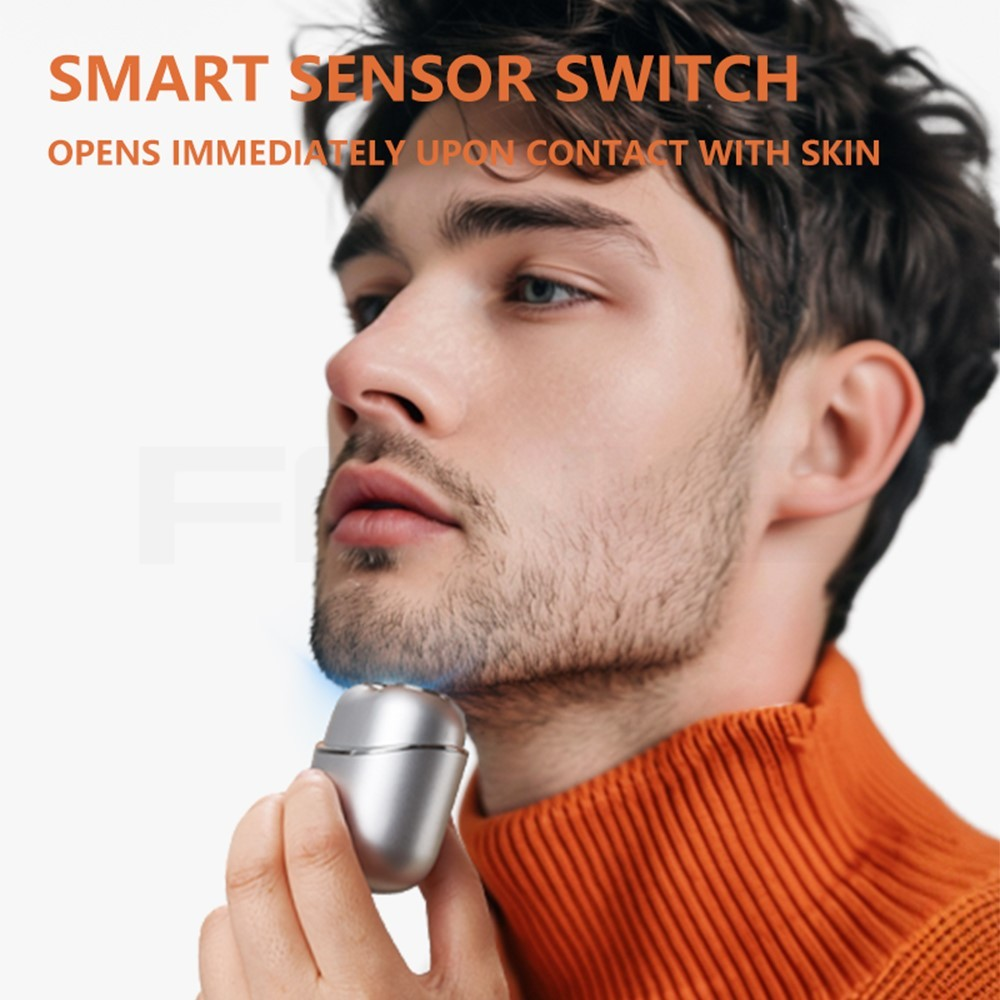
Foil shavers work with blades that move back and forth under a thin metal screen, creating a straight cutting motion that works best on flat parts of the face such as cheeks. The way they're designed actually pulls hairs straight up against the foil surface so they get cut efficiently, which makes them great for people with straight or evenly growing facial hair. On the other hand, rotary shavers have round heads with spinning cutters that can follow the shape of the face better. They lift and cut at the same time, making them really good at grabbing those tricky hairs that grow in different directions, especially around the jawline and underneath the chin where most men struggle. Studies show that rotary shavers catch about 15 to 20 percent more of those curvy hairs in these problem spots compared to foil models. When it comes down to actual performance differences, foil shavers generally leave behind shorter stubble on flat skin areas (about 0.1 mm versus 0.15 mm from rotary shavers according to lab tests). But when dealing with all the bumps and curves of real faces, rotary systems tend to handle the job much better overall.
Skin Sensitivity, Irritation Risk, and Closeness Data Across Skin Types
How well a razor works on different skin types really comes down to two main factors: the technology behind it and how each person's body reacts. Foil shavers tend to create about 30 percent less heat against the skin according to thermal scans, which makes them better for people who get red or irritated easily. But there's a catch. The fixed heads on these shavers can actually rub against tricky spots like the neck area where keeping even pressure isn't so easy. On the flip side, rotary models seem to leave around 42% fewer tiny scrapes in those problem zones, but folks might need to go over the same spot multiple times if they want the same close shave as a foil razor. What do skin doctors say? Well, they've seen all sorts of mixed results depending on what matters most to the user.
| Skin Type | Foil Irritation Incidence | Rotary Irritation Incidence | Optimal Match |
|---|---|---|---|
| Sensitive/Thin | 38% | 22% | Rotary |
| Oily/Resilient | 12% | 18% | Foil |
| Combination | 27% | 25% | Hybrid |
Coarse-bearded users achieve 0.05 mm closer shaves with foil systems, but rotary models reduce ingrown hair occurrence by 31% among curly-haired individuals—highlighting how hair texture and growth pattern fundamentally shape optimal technology choice.
Essential Electric Shavers Features That Actually Improve Daily Use
Adaptive Motors, Flexible Heads, and Autosense: Real-World Benefits Verified
Electric shavers today come equipped with smart motors that can sense how dense a beard is as it goes along, adjusting power levels on the fly so they cut through thick areas without irritating sensitive skin. These shavers also have heads that float independently, moving smoothly around jawlines and neck contours to stay in constant contact with the face for better coverage all around. Some models even feature autosense tech that checks hair thickness about 250 times every second, ramping up blade speed just where it's needed most. Real world testing shows people get their shave done about 30% quicker with less back and forth effort. Clinical tests support what many users already know from experience there's roughly 45% less redness and irritation compared to older fixed speed designs. All these innovations work together to stop that annoying pulling sensation, catch those tricky spots we always miss, and keep things comfortable no matter what kind of facial shape someone has.
Wet/Dry Functionality and IPX7 Waterproofing: What It Means for Routine Flexibility
IPX7 waterproof rating means the device can handle being submerged in water up to one meter deep for half an hour. This makes it great for rinsing off after dry shaving sessions and works just fine under running water or in the shower. The ability to switch between wet and dry shaving is particularly helpful for people with sensitive skin who prefer using lather. Tests show that friction drops around 60% when using it wet, which feels much better on irritated skin. Built with sealed components that resist corrosion, these razors stand up to regular cleaning without breaking down over time. People really appreciate how flexible they are - most folks find themselves shaving at the sink, in the bathroom while taking a shower, or sometimes even on the go. Cordless design combined with features that let water drain quickly makes them easy to carry around. And think about all the extra time saved in the long run too. Roughly 15 minutes each week gets freed up from not having to worry about maintenance issues.
Battery Life, Charging, and True Long-Term Cost of Owning Electric Shavers
Lithium-Ion Degradation vs. Advertised Runtime: 2-Year Performance Expectations
Manufacturers love to tout those impressive runtime numbers like 90 minutes per charge, but let's face it - lithium ion batteries just don't last forever. The industry sees something like a 15 to 20 percent drop in capacity after around 500 full charges, which translates to roughly two years if someone uses their gadget every single day. Take a shaver advertised for 60 minutes runtime? After two years, most folks find themselves getting closer to 48 or even 51 minutes instead. And guess what makes batteries die faster? Putting them through hell, really. Things like letting them drain completely too often, exposing them to super hot or cold environments, or constantly using fast charging all speed up the aging process. Want your battery to stick around longer? Try keeping it charged between 20 and 80 percent whenever possible, and definitely avoid storing devices somewhere really hot or cold. Understanding how these batteries slowly lose their punch over time sets more realistic expectations from day one. That's why spending a bit extra on quality battery tech usually pays off in the long run compared to cheaper options that might need replacing sooner.
Maintenance, Durability, and Ergonomics: Maximizing Lifespan and Daily Comfort
Cleaning Stations vs. Manual Rinsing: Hygiene Efficacy and 3-Year ROI Analysis
Self cleaning stations handle hygiene automatically using alcohol based cleansers and built in drying periods. These systems cut down bacteria levels by around 70 percent when compared just to regular hand washing according to research published in the Journal of Clinical Engineering last year. When people clean manually, they need to be really consistent with daily scrubbing to stop germs from building up inside those hard to reach areas of blades and housing parts something most folks tend to forget about. Studies show that after about three years of use, these automated cleaners actually make electric razors last longer probably somewhere between 20% to maybe even 40%. That means spending less money on replacements over time since the razor doesn't wear out as fast. Plus there are fewer cases of skin problems caused by dirty equipment which makes them worth the extra cash upfront for many consumers.
Blade Longevity, Replacement Schedules, and Evidence-Based Lubrication Tips
Most blades start showing real signs of wear around the 12 to 18 month mark when used regularly. Looking at them under a microscope shows about 30% edge loss which definitely makes shaving feel like more work and cuts just aren't as clean anymore. Most manufacturers suggest swapping out those foil pieces or whole cutter blocks once a year. But folks with really thick or coarse facial hair might want to replace theirs closer to every 8 months instead. Want to make your blades last longer? Try this trick that actually works: put a tiny drop of mineral oil on the cutting surface about the size of a grain of rice each month after giving it a good rinse. Studies have found this simple maintenance step cuts down on friction damage by nearly half and keeps rust away from wet/dry razors too. The bonus is extended blade life without needing any complicated upkeep routines.