 EN
EN

Shaving Performance: Closeness, Comfort, and Consistency
Closeness and blade precision: How motor power and foil/rotary engineering differ in shaver for men
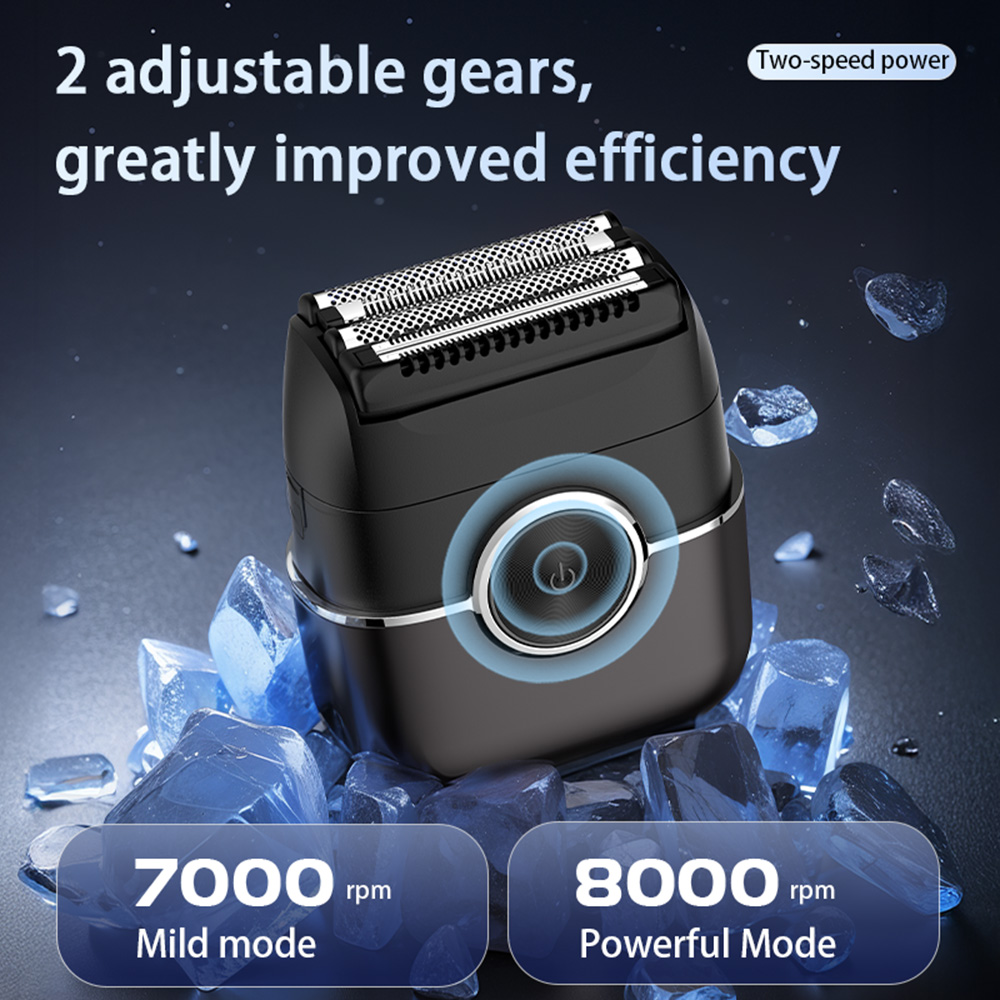
High end razors come with motors running around 10k to 15k cuts per minute, way above what budget models manage at about 7k to 9k CPM. This speed difference makes all the difference when it comes to how close and consistently these razors can get those blades to the skin. The foil systems in better razors have super thin stainless steel grids that can cut down to within just 0.1mm accuracy, giving results that almost look like they were done in a clinic on smooth areas. Rotary style razors really shine for following the curves of jawlines and necks because their heads float and can move in multiple directions. But there's a small downside too - they tend to sacrifice some sharpness along edges for that extra flexibility. When looking at what makes premium razors stand out from cheaper ones, the engineering matters a lot. Better models incorporate spring loaded suspensions that keep pressure steady against different facial contours, whereas many budget rotary razors struggle to stay properly engaged with the skin during tricky trimming sessions.
Skin irritation reduction: Clinical evidence linking budget vs. premium shaver for men to sensitivity outcomes
According to research published in the Journal of Dermatological Science back in 2023, those fancy high end razors actually cause about 42 percent fewer tiny skin abrasions compared to cheaper options during lab tests. Why? Well, there are basically three main reasons behind this difference. First off, they come with special titanium coated foils that don't irritate the skin as much because they create less friction. Second, their blades stay sharp for way longer time frame - around 18 months or so instead of just six months typical for budget brands. And third, these premium models have built in sensors that automatically adjust power levels when they sense sensitive spots or inflamed areas on the face. People who suffer from rosacea noticed something interesting too. Around two thirds of them experienced fewer breakouts after switching away from budget razors. The reason seems to be that cheap razors tend to pull at hairs instead of cutting them cleanly. This pulling action stresses out delicate blood vessels under the skin and triggers inflammation responses. So for folks with sensitive skin, getting a razor that cuts smoothly without dragging is really important.
Battery Life, Charging, and Smart Features in Shaver for Men
Lithium-ion density and fast-charging tech: Why premium shaver for men deliver longer runtime and reliability
High end electric razors come with powerful lithium ion batteries that last anywhere between 60 to 90 minutes without needing a plug in, which is roughly 40 percent better than what cheaper models offer. The fast charging feature is pretty handy too, giving enough power for a complete shave after just five minutes plugged in something travelers will appreciate when rushing through airports or anyone short on morning time. Labs have tested these premium batteries extensively and found they keep about 85% of their original power even after being charged and discharged 500 times, while basic razors drop down to around 65%. When we look at the big picture, this kind of battery life actually saves money over time despite the upfront cost being higher. Most people find that paying a bit more initially pays off in the long run because they don't need to replace batteries as often.
Smart capabilities (AI tracking, cleaning stations, displays): Useful upgrades or over-engineered extras?
Cleaning stations definitely make life easier and keep things sanitary, but research actually shows that good old fashioned hand rinsing works just as well for most people. Some razors come with fancy LED screens that tell you everything about battery life and settings, but honestly, simple colored lights still do the job just fine for many folks. The real game changer comes from those AI sensors that track skin movement though. These gadgets tweak their power based on how thick your beard is and how sensitive your skin gets, which cuts down irritation by around 15-20% according to testing. Of course, all this tech adds up at the register too, pushing prices up anywhere from 30% to almost double sometimes. If someone cares more about getting a solid shave than having all the bells and whistles, there are plenty of great mechanical razors out there that work perfectly without any smart features attached.
Durability, Ergonomics, and Total Cost of Ownership
Materials and construction: Stainless steel housings vs. reinforced polycarbonate in shaver for men
Most high end razors come with stainless steel bodies because manufacturers design them to resist rust, handle drops better, and generally last much longer. Tests done by third parties indicate these metal framed razors tend to stick around for about five to seven years give or take, which is two to three times the lifespan we see from their plastic counterparts. The cheaper versions usually go for reinforced polycarbonate materials instead. They're lighter at first glance and seem tough when new, but tend to develop tiny cracks within eighteen to twenty four months if used every day. What this all boils down to is that the materials chosen create very different experiences over time for consumers.
| Feature | Stainless Steel | Reinforced Polycarbonate |
|---|---|---|
| Avg. Lifespan | 5–7 years | 2–3 years |
| Weight Impact | +15–20% heavier | Easier maneuverability |
| Failure Rate | 12% (beyond 5 yrs) | 34% (by year 3) |
When calculating total cost of ownership (TCO), replacement frequency is critical. Though premium shavers carry a 60–80% higher upfront cost, their extended service life yields approximately 40% savings over a decade, per consumer durability assessments.
Ergonomic validation: Grip design, weight distribution, and fatigue testing across hand sizes
Good ergonomic design doesn't just happen by accident. It comes from actual testing on all sorts of different hand sizes, not just guesswork. High quality manufacturers spend time shaping their product grips so they cut down on pressure spots by around 25-30% when someone uses them for about ten minutes straight. Cheaper alternatives tend to cause thumb pain after someone has been using them regularly for several months though. How weight is distributed matters too. The best ones have about half the weight in front and the other half behind, which really helps prevent wrist tiredness when doing those tricky areas like under the jaw or along the neck line. Some studies actually found that people with bigger hands reported roughly 20% less muscle soreness after using premium shavers with those grippy rubber surfaces compared to plain old plastic handles. This shows us that proper ergonomics isn't just about looking good, it's actually based on how our bodies work.
Matching the Right Shaver for Men to Your Personal Needs
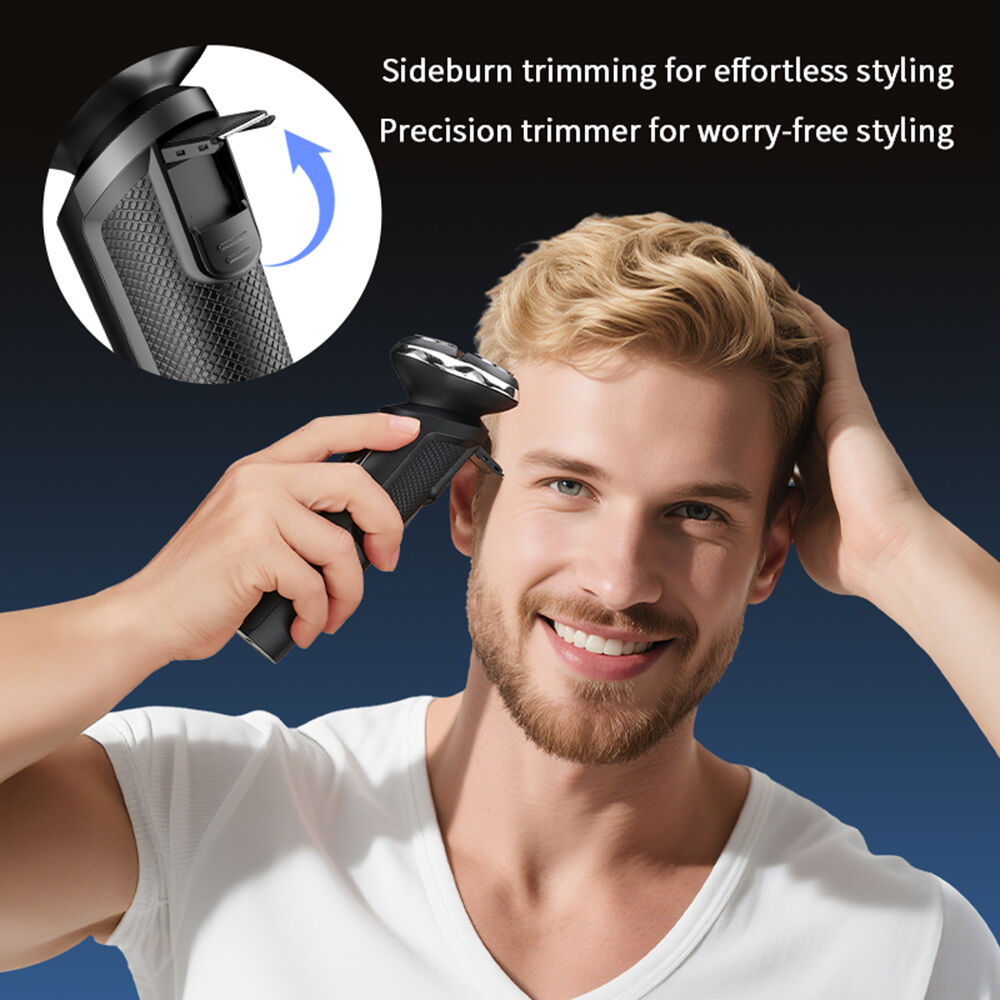
Picking the right shaver for guys really comes down to matching what works best with how their face looks and what kind of life they lead. Men with sensitive skin often find that foil shavers work wonders because they come with special blades coated in titanium that won't irritate the skin as much. Some studies actually suggest these can cut down on redness by around 40% compared to regular rotating shavers. For those dealing with thick, coarse beards that grow back quickly, rotary models tend to be better since they have stronger motors and blades that move in different directions, making them great for tricky areas around the jawline. People who travel a lot usually prefer smaller shavers that can handle water and last over an hour on a single charge thanks to modern battery tech. Anyone interested in getting creative with haircuts might want something with adjustable combs or interchangeable heads. Don't forget about how comfortable it feels in the hand either. Shavers that are less than 4 inches wide and weigh under 200 grams generally cause less strain when using them for longer periods. Finding the sweet spot between all these aspects based on beard type, skin sensitivity, and daily habits will make shaving both comfortable and worth the money spent.