 EN
EN

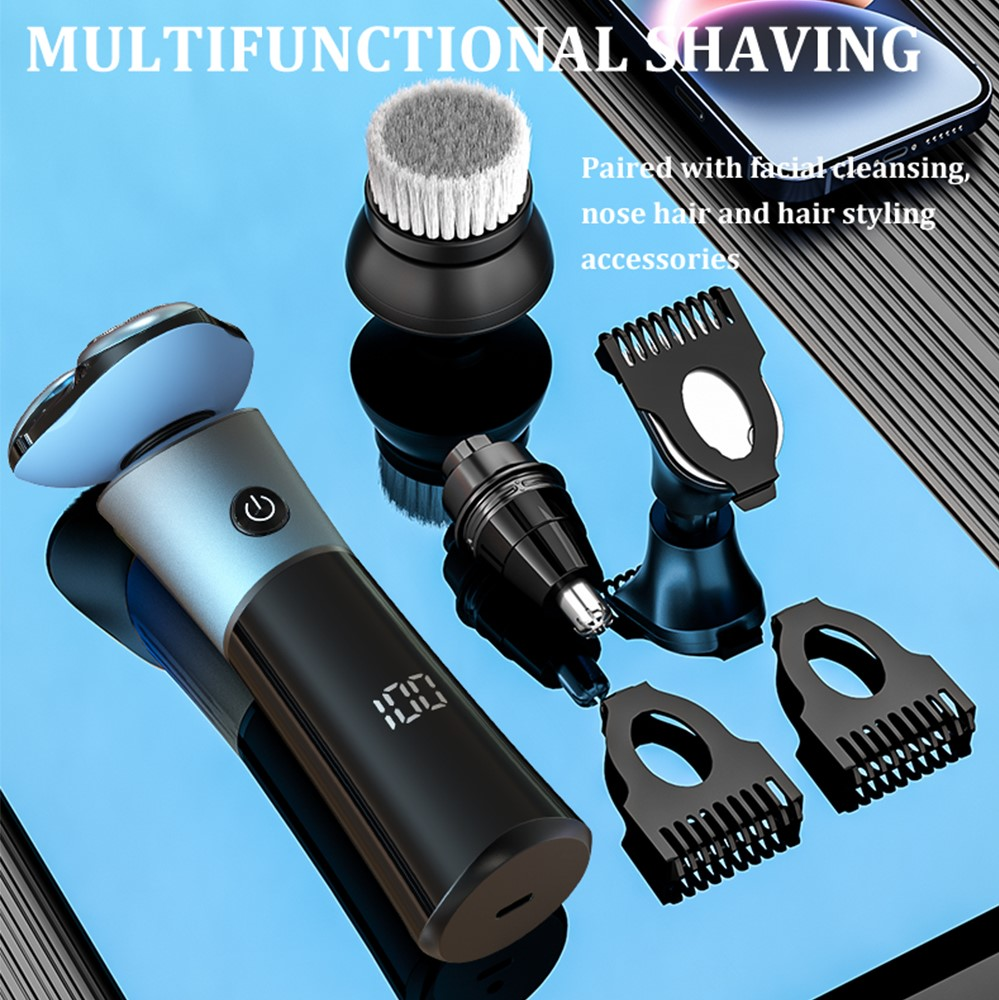
Understand Core Shaver Types and Their Best-Use Scenarios
Disposable, Electric, Cartridge, and Safety Razors: Matching Form to Function
Finding the proper shaver involves considering how it fits into daily habits, what kind of skin someone has, and their specific hair characteristics. Single blade disposables work great when traveling or only needing to shave occasionally because they pack small and don't cost much upfront. But these just aren't built to last through regular morning routines without frequent replacements. The electric variety brings faster results and saves time overall. Many men find the rotating heads particularly useful for navigating tricky areas where stubble grows at different angles. Cartridge-based systems seem to hit that sweet spot between ease of use and effectiveness. They handle thick beard growth pretty consistently while still being widely available at most stores. According to market research from Gillette back in 2023, around 6 out of 10 guys who shave every day stick with this type. For those with sensitive skin looking for something gentler, safety razors can provide exceptional closeness with fewer red marks. However, getting good results takes some learning curve and patience to develop proper form over time.
Lifestyle Fit: Daily vs. Occasional Use, Travel Needs, and Maintenance Tolerance
Your habits—not just preferences—should drive selection:
- Daily users benefit most from electric or cartridge razors engineered for reliability and repeated use
- Occasional shavers (1–2x weekly) often find value in disposables or safety razors, where upfront cost and simplicity outweigh long-term maintenance
-
Frequent travelers need TSA-compliant options: compact cordless electrics or sealed, blade-protected disposables
Maintenance tolerance is equally decisive—safety razors demand regular blade changes and thorough cleaning, while modern electrics feature self-sharpening blades and washable heads. As dermatologists emphasize, 68% of shaving-related irritation stems from mismatched tool use and frequency (Clinical Dermatology Review 2023), reinforcing that lifestyle alignment isn’t optional—it’s foundational.
Assess Skin Sensitivity and Hair Characteristics to Guide Shaver for Men Selection
Coarse, Curly, or Coily Hair: Why Blade Clearance and Aggression Level Matter Most
Men with coarse, curly, or coily facial hair face higher risks of ingrown hairs and razor bumps—not because of poor technique alone, but due to natural curl patterns that cause cut hairs to re-enter the skin. The optimal shaver must address this biologically:
- Blade clearance (gap between blade edge and guard) must be wide enough to prevent hair jamming and friction-induced trauma
-
Aggression level, or blade exposure, should be moderate—close enough for efficiency, but controlled enough to avoid cutting below the skin surface
Research confirms improper geometry increases ingrown hair incidence by 40% in curly-haired individuals. Prioritize models with adjustable aggression settings and wider blade gaps to preserve hair integrity while minimizing micro-injury.
Sensitive Skin Protocols: Dermatologist-Backed Criteria for Minimizing Irritation
For sensitive skin, shaving isn’t just about closeness—it’s about preserving the skin barrier. Dermatologists recommend three non-negotiable criteria:
- Hypoallergenic materials: Titanium or chromium-coated blades reduce metal reactivity and allergic response
- Dynamic suspension systems: Floating or pivoting heads maintain even pressure without forcing the blade into skin folds
-
Integrated lubrication: Built-in hydrating strips with aloe or chamomile counteract friction during the stroke
Clinical evidence shows multi-blade cartridge systems cause 30% less irritation than single-blade alternatives when paired with pre-shave oils—but only if used correctly. Limit passes to two light, with-the-grain strokes maximum. Over-shaving disrupts barrier function and accelerates trans-epidermal water loss, triggering redness and flaking.
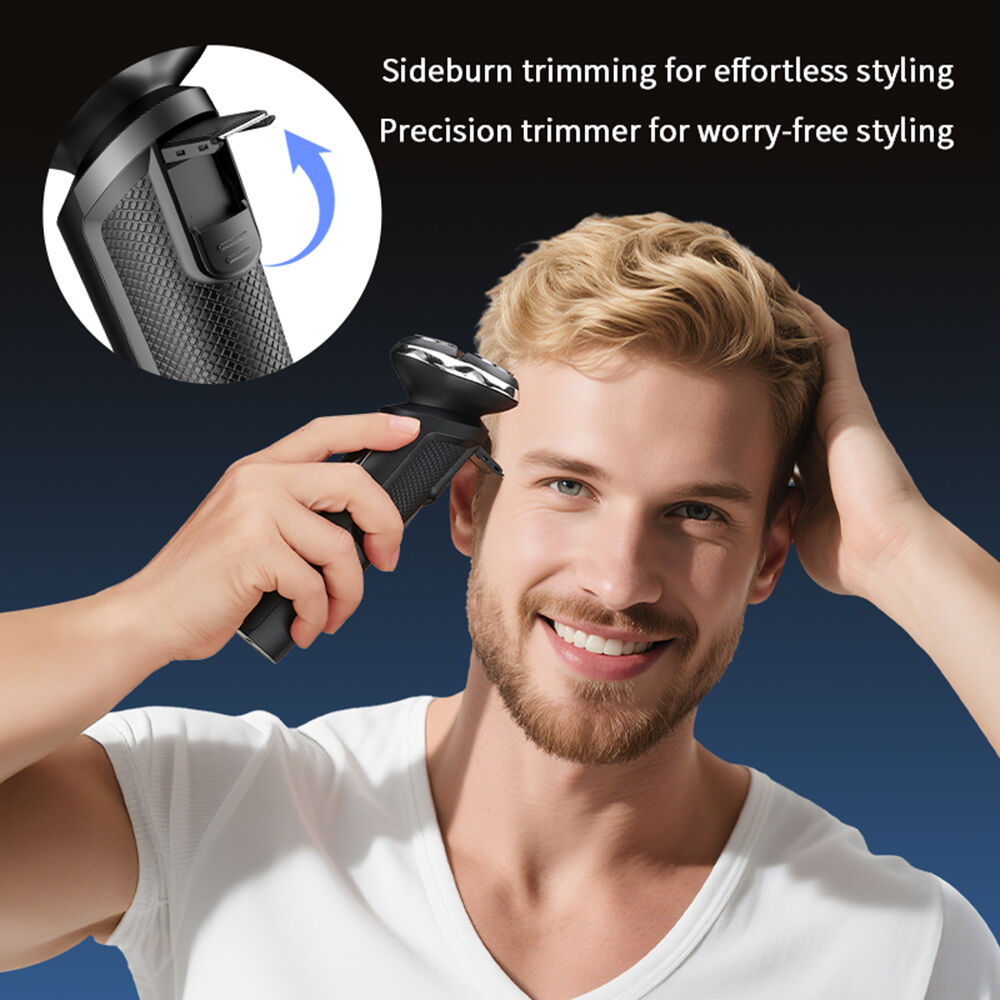
Evaluate Ergonomics and Handling for Consistent, Controlled Shaving Performance
Handle Weight, Grip Texture, and Balance—How They Impact Precision and Fatigue
The way something feels in hand really affects how well we can control it, stay consistent, and avoid discomfort as time goes on. When it comes to handle weight, there's a trade-off between different needs. Heavier models above 150 grams tend to sit better against thick facial hair but will definitely tire out the wrist after doing a full face shave. Lighter options under 100 grams move more easily around tricky spots like jawlines and neck areas, though they might lead to uneven pressure application. Getting a good grip when hands are wet makes all the difference. Tests from last year showed that textured surfaces made of either knurled metal or rubber cut down on slipping accidents by about 40 percent compared to plain plastic handles. Weight distribution plays a huge role in getting precise results too. Razors that have more mass towards the bottom third actually change where the razor pivots, which cuts down on arm strain during those annoying neck strokes by roughly a quarter. This kind of balance lets the blade stay in proper contact with skin consistently, something that becomes super important for people with sensitive skin who want to avoid cuts and redness.
Decode Razor Head Design: Safety Bar, Closed Comb, and Scalloped Variants
Head Geometry and Its Direct Effect on Cut Efficiency, Lather Retention, and Beginner Safety
Razor head design determines how effectively—and safely—the blade interacts with hair and skin. Three core variants serve distinct purposes:
- Closed-comb (safety bar): A continuous protective rail over the blade reduces irritation by 40% compared to open designs while retaining lather against the skin—making it ideal for sensitive skin and daily use
- Open-comb: Exposes more blade edge for aggressive hair clearance, suited to thick, coarse beards—but requires advanced control to avoid nicks
- Scalloped safety bars: Notched edges channel lather toward the blade while maintaining protection, offering a middle ground for growing confidence and density
Newcomers usually do best starting out with closed comb razors since they're just not as harsh on the skin when learning those tricky angle cuts. People dealing with thick facial hair can consider moving to scalloped or open combs after they've gotten comfortable with how much pressure works for them and developed some muscle memory through practice. Here's something important that nobody really talks about enough these days: nobody cares what kind of razor head someone has if they don't know how to handle it right. Even those fancy aggressive designs still require super gentle touches otherwise good bye to a day without redness and irritation.