 EN
EN

Daily Cleaning: Prevent Clogs and Bacteria in Your Portable Electric Shaver
Why post-shave cleaning is non-negotiable for hygiene and performance
Skipping a quick clean after each use turns your portable electric shaver into a breeding ground for bacteria, dead skin, and oil residue. Every shave deposits hair clippings and sebum onto the blades and foils—residues that harden overnight, dull cutting edges, and clog internal mechanisms. A clogged shaver demands more passes, increasing skin irritation and straining the motor and battery. Dermatology clinics have documented Staphylococcus aureus and fungal growth on uncleaned shavers within 24 hours—raising the risk of folliculitis and razor bumps. For travelers, the danger intensifies: enclosed travel pouches trap moisture and warmth, accelerating microbial proliferation. Immediate post-shave cleaning removes ~90% of contaminants and sustains optimal motor performance. A 2023 survey of frequent fliers found daily cleaners reported 40% fewer skin issues and a 60% longer device lifespan—proof that 15 seconds of discipline delivers lasting returns.
Dry brushing vs. water rinsing—best practices for foil and rotary portable electric shavers
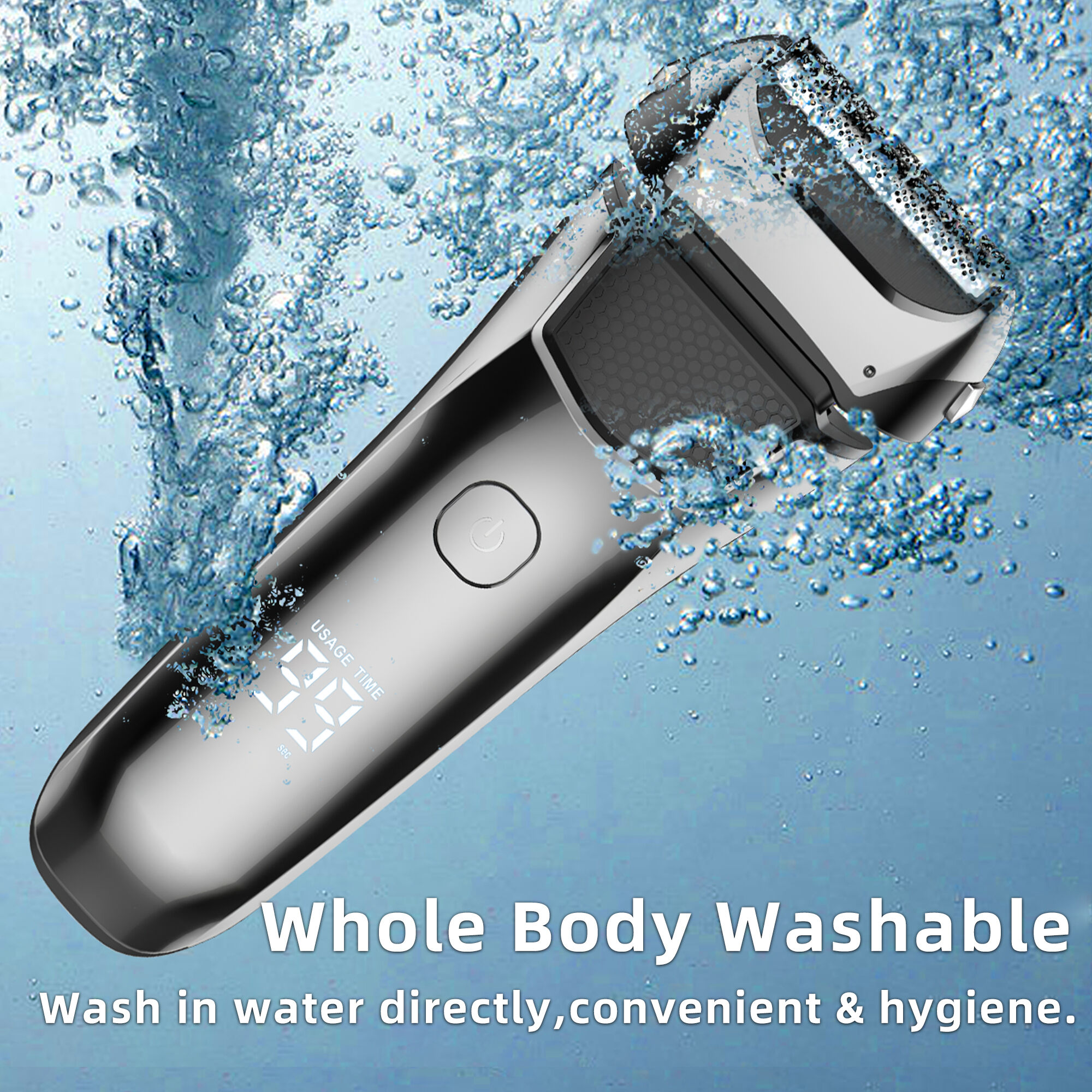
Not all portable electric shavers tolerate water equally. Foil models often feature sealed housings rated for brief rinsing; many rotary units lack waterproofing and explicitly prohibit immersion. Always consult your device’s IP rating (e.g., IPX7 = fully submersible) before using water. Dry brushing remains the universal baseline: use the included brush to dislodge hair and debris from foils or cutter blocks immediately after shaving—no moisture required. If your shaver is certified washable (IPX7 or higher), a 5-second rinse under lukewarm (not hot) water followed by vigorous shaking is safe and effective for both types. Hot water degrades blade coatings and warps plastic components. For stubborn residue on rotary heads, lightly dampen the brush with isopropyl alcohol—never soak the unit. Travel tip: Pack a compact brush and microfiber cloth. This simple duo ensures consistent, electronics-safe cleaning anywhere.
Weekly Deep Cleaning and Degreasing for Long-Term Reliability
Recognizing grease buildup in high-use travel scenarios
Frequent travel accelerates residue accumulation. Dust, skin cells, and shaving debris combine with factory-applied lubricants, forming hardened, gummy deposits inside cutting mechanisms. Humidity fluctuations during transit further cement these mixtures—especially around foil guards and rotary pivot points. Left unchecked, this buildup increases mechanical resistance, strains the motor, and dulls cutting precision—compromising reliability when you need it most abroad. Early warning signs include audible grinding or drag during operation, reduced closeness of shave, or visible darkening around moving parts.
Cleaning sprays vs. DIY solutions: safety, efficacy, and compatibility with portable electric shaver components
Manufacturer-recommended cleaning sprays are formulated specifically for shaver materials—dissolving grease without compromising foil screens, plastic housings, or electrical seals. These products undergo rigorous compatibility testing to ensure they won’t degrade gaskets or corrode contacts. In contrast, DIY alternatives carry real risks: undiluted isopropyl alcohol can dry out rubber seals and leave hygroscopic residues that attract new debris; vinegar-based solutions introduce acidity that corrodes metal pivots in rotary systems over time. Never substitute household cleaners unless explicitly approved in your user manual. When in doubt, stick with the brand’s official spray—it’s engineered for your model’s tolerances and guarantees safe, residue-free degreasing.
Proper Lubrication to Preserve Cutting Precision and Extend Lifespan
How targeted lubrication reduces wear—and what the top brands recommend for portable electric shavers
Lubrication directly mitigates friction between high-speed moving parts—the leading cause of wear in portable electric shavers. Reduced friction means smoother blade action, less heat generation, and significantly slower component degradation. Peer-reviewed studies confirm proper lubrication extends shaver service life by 20–30%. All major manufacturers—including Braun, Philips, and Panasonic—recommend applying lubricant after deep cleaning, not before. For foil shavers, a single drop of mineral oil or dedicated foil spray applied along the length of the foil guard is sufficient. Rotary models require silicone-based sprays applied sparingly to the exposed rotating cutters beneath the outer head. Crucially, over-lubrication invites dust and hair to adhere, creating abrasive sludge. Use only manufacturer-specified products, and apply no more than once every 4–6 weeks.
Optimizing Battery Health for Reliable Portable Electric Shaver Performance on the Go
Lithium-ion charging myths debunked: partial cycles, storage voltage, and travel-ready habits
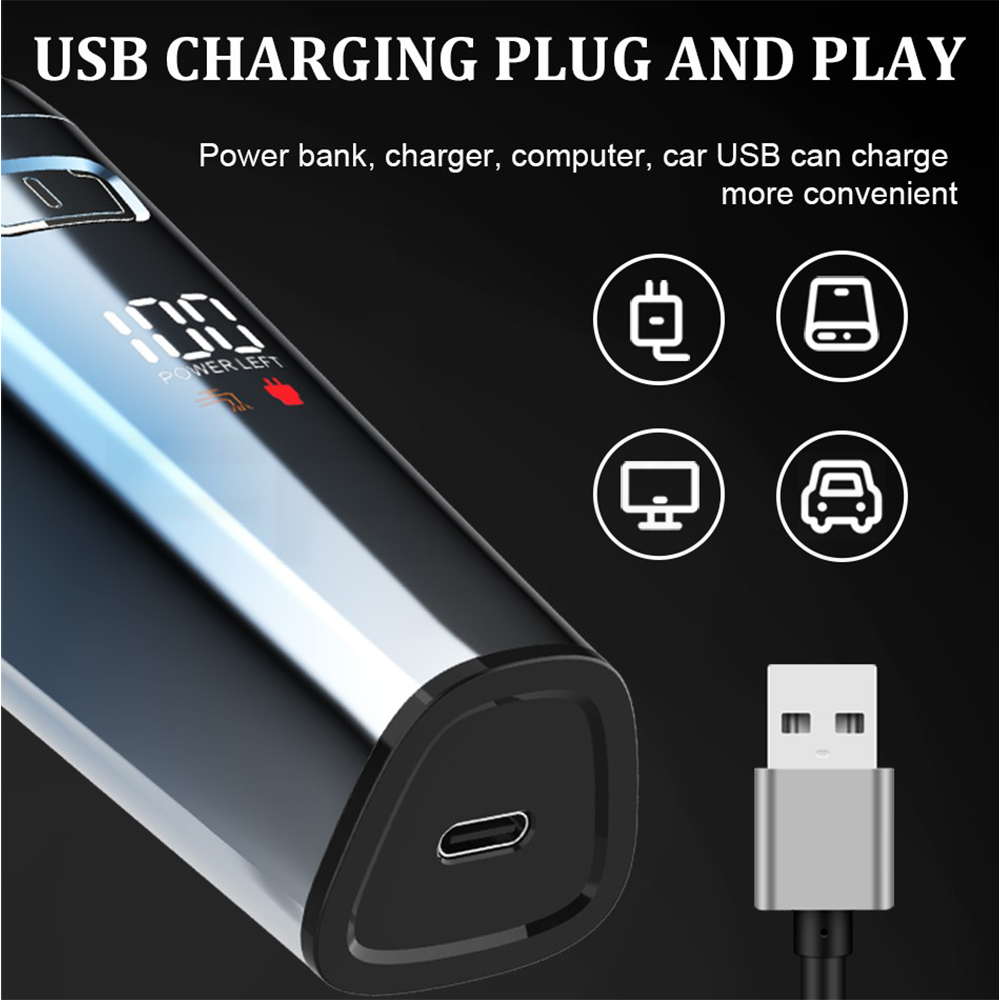
The “fully drain before recharging” myth persists—but modern lithium-ion batteries thrive on partial cycles. Topping up your portable electric shaver multiple times per week does not harm capacity and actually helps maintain voltage stability. More critical is long-term storage: keeping the battery at 40–60% charge during extended non-use (e.g., between trips) minimizes chemical degradation far more effectively than storing it fully charged or depleted. For travel readiness, charge your shaver to ~80% before departure—this balances readiness with thermal safety—and leverage USB-C or USB-A compatibility for convenient top-ups via laptops, power banks, or airport kiosks. Avoid overnight charging: while most shavers cut off current automatically, prolonged trickle charging generates excess heat, which accelerates aging.
Managing temperature extremes and airport security exposure to protect battery longevity
Lithium-ion cells are highly sensitive to thermal stress. Temperatures above 45°C—common in parked cars or direct sunlight—trigger irreversible capacity loss. Below 0°C, internal resistance spikes, reducing runtime and potentially causing temporary shutdown. Always let your shaver acclimate to room temperature before charging in cold environments. At airports, lithium-ion devices may be subject to additional screening. Though X-ray machines pose no risk to batteries, extreme pressure changes in checked luggage can compromise cell integrity. For safety and longevity, always carry your portable electric shaver in your carry-on bag—and keep it easily accessible for inspection if requested.