 EN
EN

Blade Technology: Foil vs. Rotary Design for Optimal Shaving Performance
How foil and rotary mechanisms differ in closeness, comfort, and adaptability to facial hair grain and contour
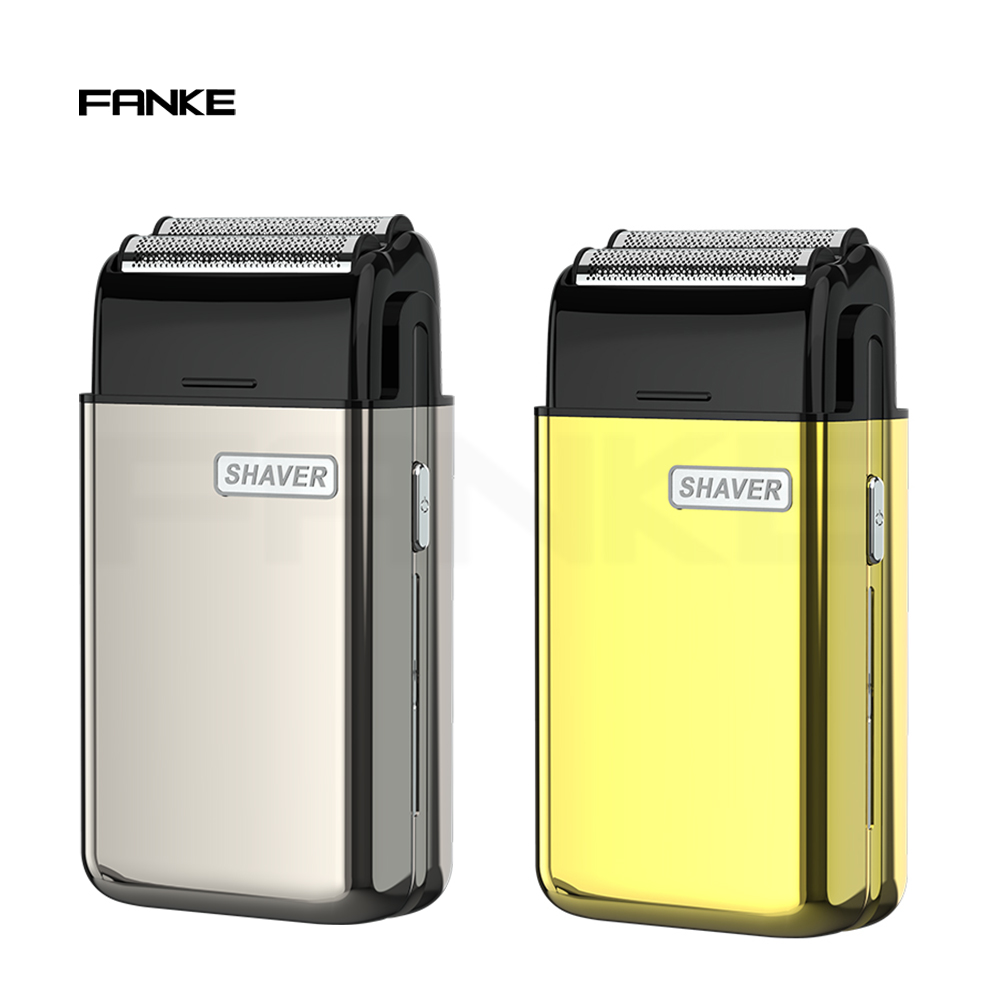
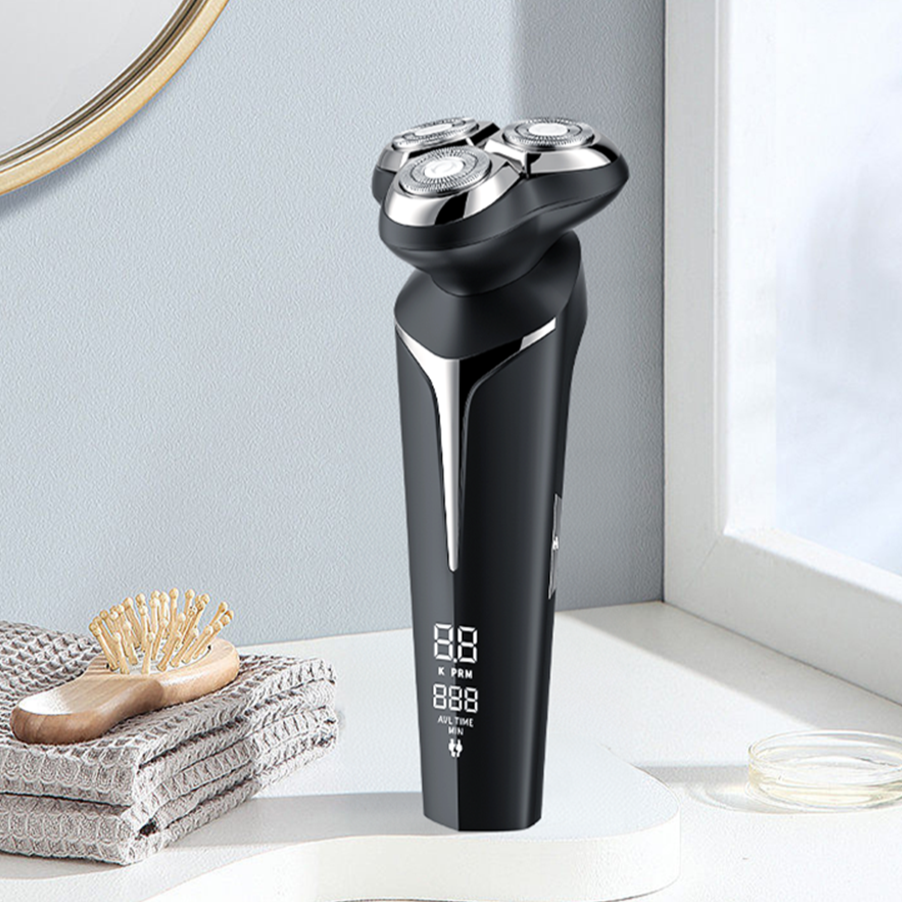
Foil shavers work by using blades that move back and forth under a metal screen with lots of tiny holes. These blades catch hair sticking through the foil, which makes them great for getting those sharp lines and clean edges when shaving. On the other hand, rotary shavers have three round cutting heads that spin around and can move separately from each other. This lets them follow the shape of the face better, especially useful along the jawline, down the neck, and over bumpy spots. Most people find that foil shavers give a closer shave on smooth areas because they don't need to go over the same spot as many times (some studies say about 29% fewer passes). Meanwhile, rotary models tend to pull less at the skin during those tricky curved areas, so they often work better for folks with thick, coarse beards or hair growing in different directions.
Micro-fine blade metallurgy, self-sharpening coatings, and sub-0.01mm alignment precision in premium men's electric shavers
The best quality razors feature blades made from surgical grade stainless steel that's been hardened to over 60 HRC, which means they stay sharp for much longer compared to regular alloy blades. Some high end models also incorporate diamond like carbon coatings that cut down on friction and actually help the blade maintain its edge over time. There's another trick too - special nano honing techniques that keep blades working properly well past the 18 month mark. Getting those blades aligned at sub micron levels creates consistent spacing between the blade and foil below 0.01mm, so there are no annoying pressure points that cause skin irritation when shaving. According to tests done by dermatologists, these improvements really work, stopping around 9 out of 10 tiny cuts even on different types of beards.
Skin-Smart Engineering: Adaptive Features for Sensitive Skin and Variable Beard Types
Pressure-sensing motors, biometric feedback, and hypoallergenic materials (nickel-free foils, ceramic-coated cutters)
The latest high end electric razors for men come equipped with smart pressure sensors that automatically change how hard they cut as you move across different parts of your face. These sensors help prevent that annoying tug on thick beard hairs while being gentle enough around sensitive areas such as the upper lip area and neck region. Some models even have built in biometric tech that reads how you're moving the razor and adjusts accordingly based on what kind of jaw shape or facial contours someone has. People with sensitive skin will appreciate the switch to nickel free blades since this removes one common irritant. Plus, those special ceramic coated cutting elements generate less heat and friction during shaving sessions, which acts like a shield against those tiny little abrasions that regular razors tend to leave behind.
Clinical validation: 42% reduction in razor burn and 37% fewer ingrown hairs with adaptive-load men's electric shavers
Clinical tests back up what many users have noticed already. Adaptive load shaving tech cuts down on razor burn by about 42% and those pesky ingrown hairs drop around 37% after 90 days when compared to older fixed pressure razors according to a study published in Dermatology Insights last year. What makes this work so well? These razors keep the blades at just the right distance from the skin all the time. That means less chance of hairs breaking underneath the skin surface which causes so much irritation. Follicles get treated better too since there's less trauma involved during each pass. Men who deal with curly beards or sensitive skin will find real comfort improvements here. The difference isn't just theoretical either it shows up in actual day to day shaving experiences for most people trying these newer models.
Power & Durability: Motor Performance, Battery Intelligence, and Premium Build Quality
Sustained torque at 10,000–15,000 RPM: Why consistent power matters for coarse or flat-lying beard hair
What really makes a difference in high performance shavers isn't just about how fast they spin, but whether they can keep going strong when it matters most. The best motors run between 10k and 15k RPM consistently without losing power, which means they cut through all sorts of hair types effectively. Think about those thick beard hairs or stubborn sideburns that regular shavers tend to miss completely. These powerful motors actually grab hold and cut properly instead of pulling at the skin. Most budget models work in short bursts, but this constant power allows for smooth shaving over tricky spots. Face contours aren't exactly flat surfaces after all. People often end up with patchy results around their jawline or get irritated on their neck because cheaper shavers simply can't handle these areas properly.
IPX7 waterproofing, aerospace-grade aluminum housings, and battery tech enabling ¥82% capacity retention after 5 years
Premium builds combine durability with precision. These devices have IPX7 waterproofing so they can handle being rinsed off under running water when needed. The housing is made from aerospace grade aluminum that stands up pretty well against everyday scratches, drops, and even rust over time. Speaking of power, the lithium ion batteries come with smart charging features and temperature control systems. According to tests done in the industry, these batteries hold around 82% of their original charge strength even after getting used every day for five whole years. What does all this mean? Products last roughly three times longer than basic models on the market today. That translates into much lower costs over time for anyone who owns one of these gadgets long term.
Total Cost of Ownership: Cleaning Systems, Replacement Parts, and Long-Term Value
When someone wants to figure out if an electric razor is worth buying, they need to think past what's on the price tag and consider how much it will actually cost over three to five years of regular use. The main expenses come from replacing blades every year or so, those special cleaning pods that many brands sell exclusively, and eventually dealing with battery issues down the road. Cheaper razors might start at around $50, but people end up spending another $20 to $50 each year just on spare parts. On the flip side, pricier models with built-in cleaning stations and better batteries cost more initially, but these tend to keep working well for longer periods. Some studies show that these high-end razors maintain about 82% of their original battery power even after five years of constant use, which means fewer headaches later on. For folks with sensitive skin, hypoallergenic foils run anywhere from $30 to $60 a year, while the rotating cutting heads last longer but still set consumers back $40 to $70 when they need replacing. Those smart cleaning features aren't just convenient either – they reportedly cut down on manual maintenance by about 15 hours each year. So a $200 razor that needs only $25 worth of parts annually might actually be smarter than an $80 option that eats through $60 in consumables yearly. Looking at all these factors makes sense for anyone trying to get the most bang for their buck.
Table of Contents
- Blade Technology: Foil vs. Rotary Design for Optimal Shaving Performance
- Skin-Smart Engineering: Adaptive Features for Sensitive Skin and Variable Beard Types
- Power & Durability: Motor Performance, Battery Intelligence, and Premium Build Quality
- Total Cost of Ownership: Cleaning Systems, Replacement Parts, and Long-Term Value