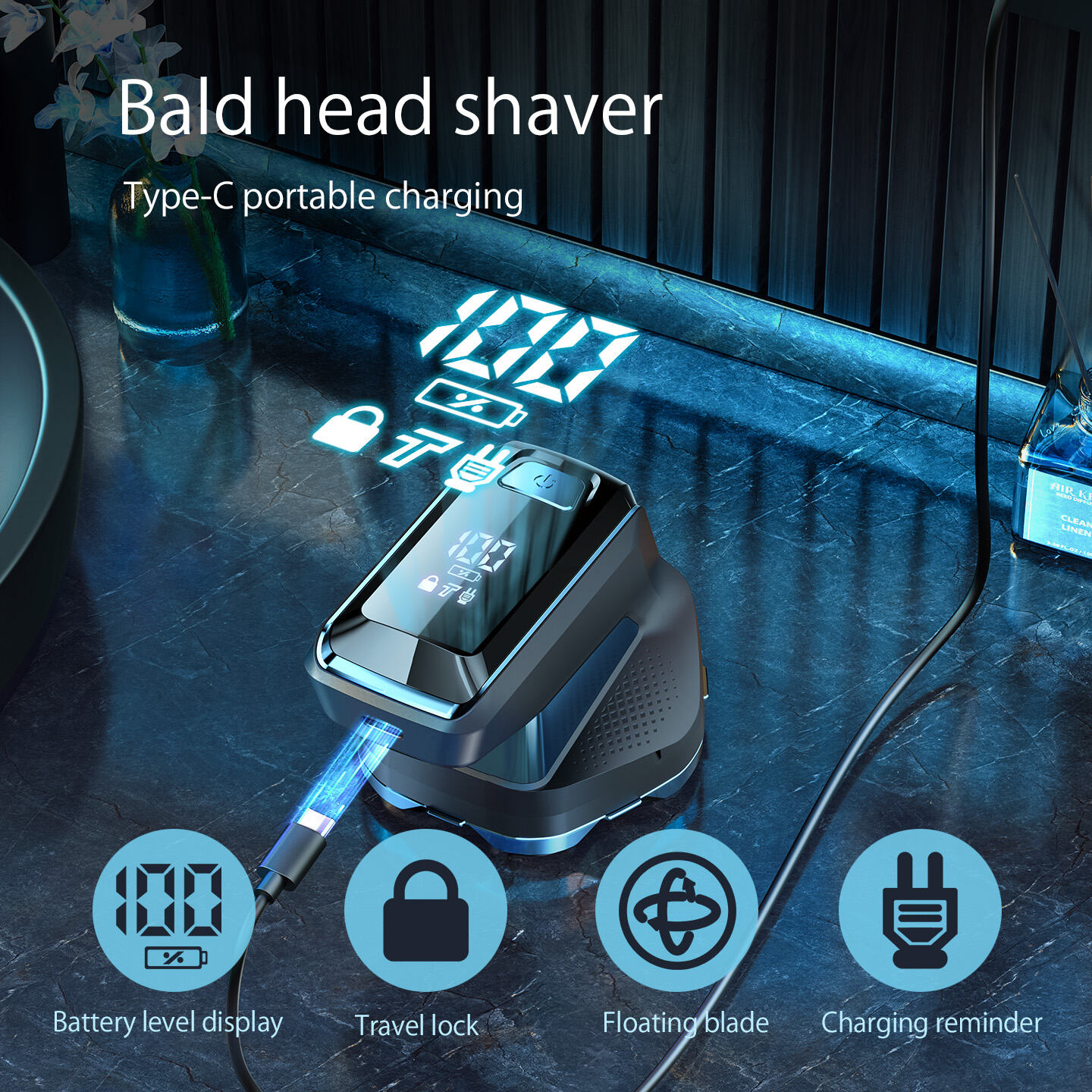
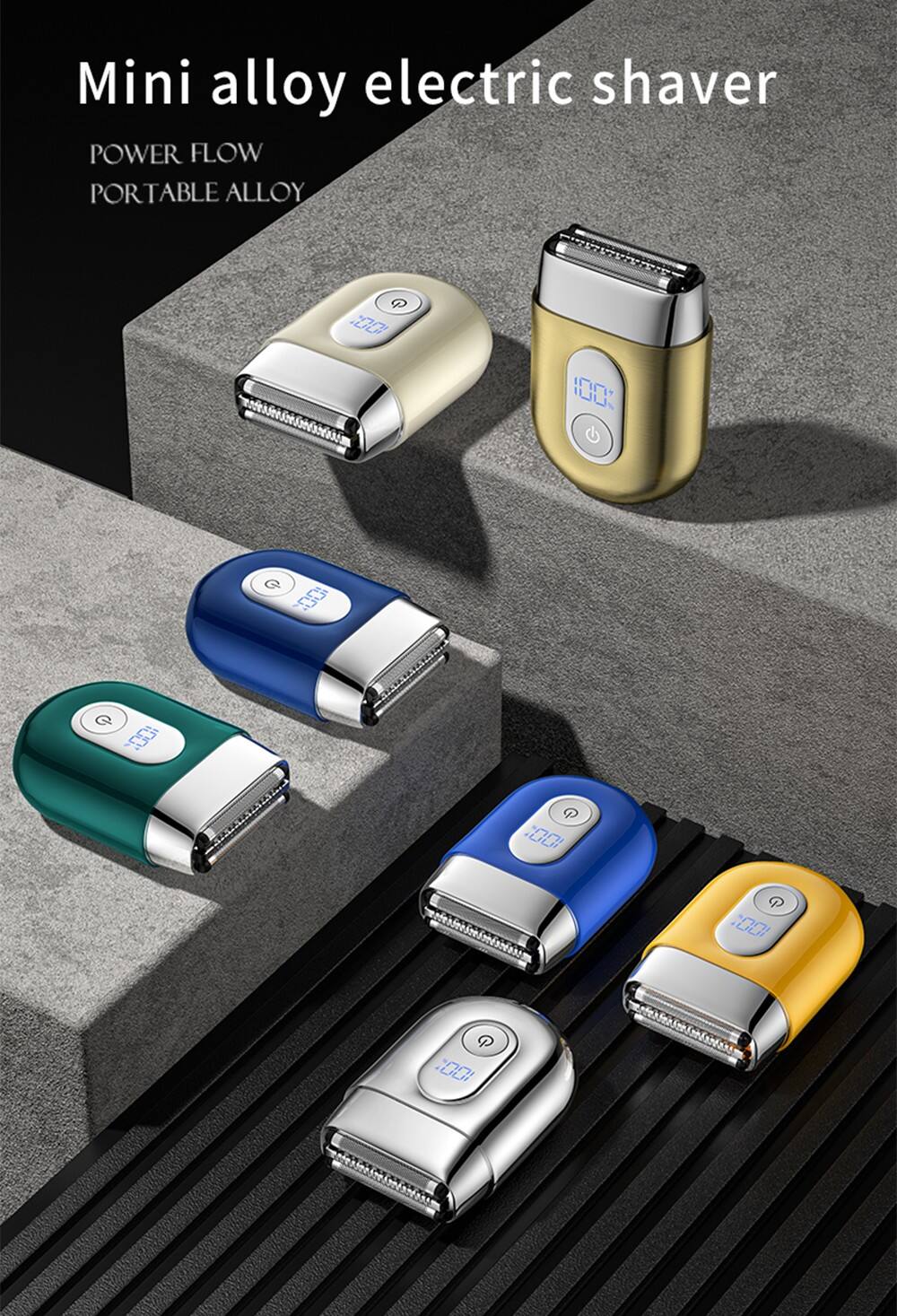
Most electric foil shavers work with a dual blade setup that moves back and forth under a thin metal screen full of tiny holes. As these blades move, they actually grab hair strands through those small openings and cut right at the skin surface, which means less pulling and tugging during shaving sessions. According to some recent research from Shaving Tech Report in 2023, newer models can spin as fast as 14,000 revolutions per minute. That kind of speed makes it easier to catch even thick beard hairs without missing spots. Another advantage is that these linear moving systems don't get as hot as their rotating counterparts, so people who spend extra time in front of the mirror won't deal with as much skin irritation from overheating.
Three elements define performance:
Top models achieve ±5µm blade alignment precision, ensuring consistent closeness across facial contours.
Recent innovations include:
These upgrades boost shaving efficiency by 22% while reducing skin friction (Dermatology Tools Journal 2023).
| Factor | Linear Foil Shavers | Rotary Shavers |
|---|---|---|
| Beard Type | Best for thick, straight hair | Ideal for curly/coarse hair |
| Shave Depth | 0.1–0.3mm from skin surface | 0.2–0.5mm from skin surface |
| Skin Adaptation | Flat-head design for faces | Contoured heads for necks |
Linear models excel in precision, while rotary systems handle longer growth better.
How Close Does an Electric Foil Shaver Get? Performance vs. Manual Razors
Modern electric foil shavers leave stubble between 0.1mm and 0.5mm, achieving near-skin-level cutting with safety. Unlike manual razors that cut slightly below the epidermis, foil systems lift and trim hairs at the surface using perforated screens. This captures 85–90% of follicles per pass, balancing efficiency with reduced irritation. Most users achieve a clean-shaven look suitable for professional settings, though slight texture may be felt when rubbing against the grain.
Foil shavers operate above the skin surface, eliminating cuts and minimizing ingrown hairs. The linear blade motion creates a protective barrier between the cutting element and sensitive tissue, unlike cartridge razors that scrape across pores. While manual shaving removes 0.05–0.1mm more hair, this subsurface cutting increases irritation by 60% according to dermatological surveys. Foil technology prioritizes daily-use safety without sacrificing visible closeness.
| Shaving Method | Closeness Rating (1-10) | Skin Safety Score (1-10) | Common Irritation Rates |
|---|---|---|---|
| Straight Razor | 9.8 | 4.2 | 48% |
| Cartridge Razor | 8.7 | 6.1 | 33% |
| Electric Foil | 8.4 | 9.3 | 11% |
| Rotary Shaver | 7.9 | 8.7 | 14% |
Clinical trials show foil shavers reduce post-shave redness by 40% compared to manual razors while maintaining 95% of their closeness. A 2023 Journal of Dermatological Science study found foil users reported 72% fewer ingrown hairs and 56% less morning shaving time versus cartridge razor groups. This balance makes foil systems ideal for sensitive skin requiring daily grooming without irritation tradeoffs.
Electric foil shavers cut down on those annoying shaving problems because they slice hair right above the skin instead of dragging it like regular razors do, which tends to cause those pesky ingrown hairs. Studies have found these electric models can actually cut facial irritation down by about 62 percent when compared against those multi-blade cartridges most people use. What makes them work so well is this super thin metal screen that sits between the skin and blades. It stops the blades from touching the face directly but still grabs hairs at just the right angle. People with sensitive skin report getting nicked way less often too, around 89% fewer times according to some tests.
Using manual razors repeatedly tends to damage skin over time because of those tiny cuts and too much scraping away of dead skin cells. Foil shavers work differently since they keep the blades at just the right distance from the skin surface, so they don't strip away all that protective oil layer our skin needs. Studies lasting around a year found people who switched to foil shavers saw about half as many problems with persistent razor burns and roughly one third fewer dark spots left behind after shaving compared to folks sticking with traditional razors and shaving cream. Many dermatologists now point patients toward foil shavers especially when dealing with sensitive skin conditions like acne or eczema, where keeping the outer skin layer healthy really matters for overall skin health.
Today's foil shavers can get really close to what manual razors offer, leaving behind about 0.2mm of stubble but still feeling comfortable on the face. Manufacturers have been adding some cool tech lately too. Think about those hypoallergenic titanium foils that don't irritate skin so much, plus motors that adjust based on how hard someone is pressing against their face. These features help maintain good contact along tricky spots like jawlines and necks where irritation often happens. According to independent tests, around 9 out of 10 people with sensitive skin report getting decent results (less than 0.3mm left) without experiencing any discomfort. That kind of performance was pretty much impossible with older electric shavers before 2020.
After each use, remove hair clippings with the included brush to prevent buildup. Rinsing the foil cassette under warm water (if washable) removes 98% of skin oils and debris according to dermatological hygiene standards. Wipe the housing with a microfiber cloth to maintain optimal motor ventilation.
Apply 1–2 drops of manufacturer-recommended oil monthly after deep cleaning. Disassemble the foil head and soak components in isopropyl alcohol for 5 minutes to disinfect, then air-dry completely. This routine reduces blade friction by 40% compared to unmaintained units (Grooming Tech Journal 2023).
Even with perfect maintenance, foil microperforations warp after approximately 450 shaves. Replace both foil and blades annually to ensure:
A 2023 MIT materials study found blade edges lose atomic-level sharpness after 18 months, making timely replacement critical for irritation-free performance.
 Hot News
2025-12-26
2025-12-21
2025-12-21
2025-12-14
2025-12-12
2025-12-10
Wenzhou Fanke Electrical Appliance company limit, a combined enterprise in Wenzhou, Zhejiang, manufactures and sells household appliances including electric hair clippers, shavers, trimmers, and toothbrushes.
 EN
EN