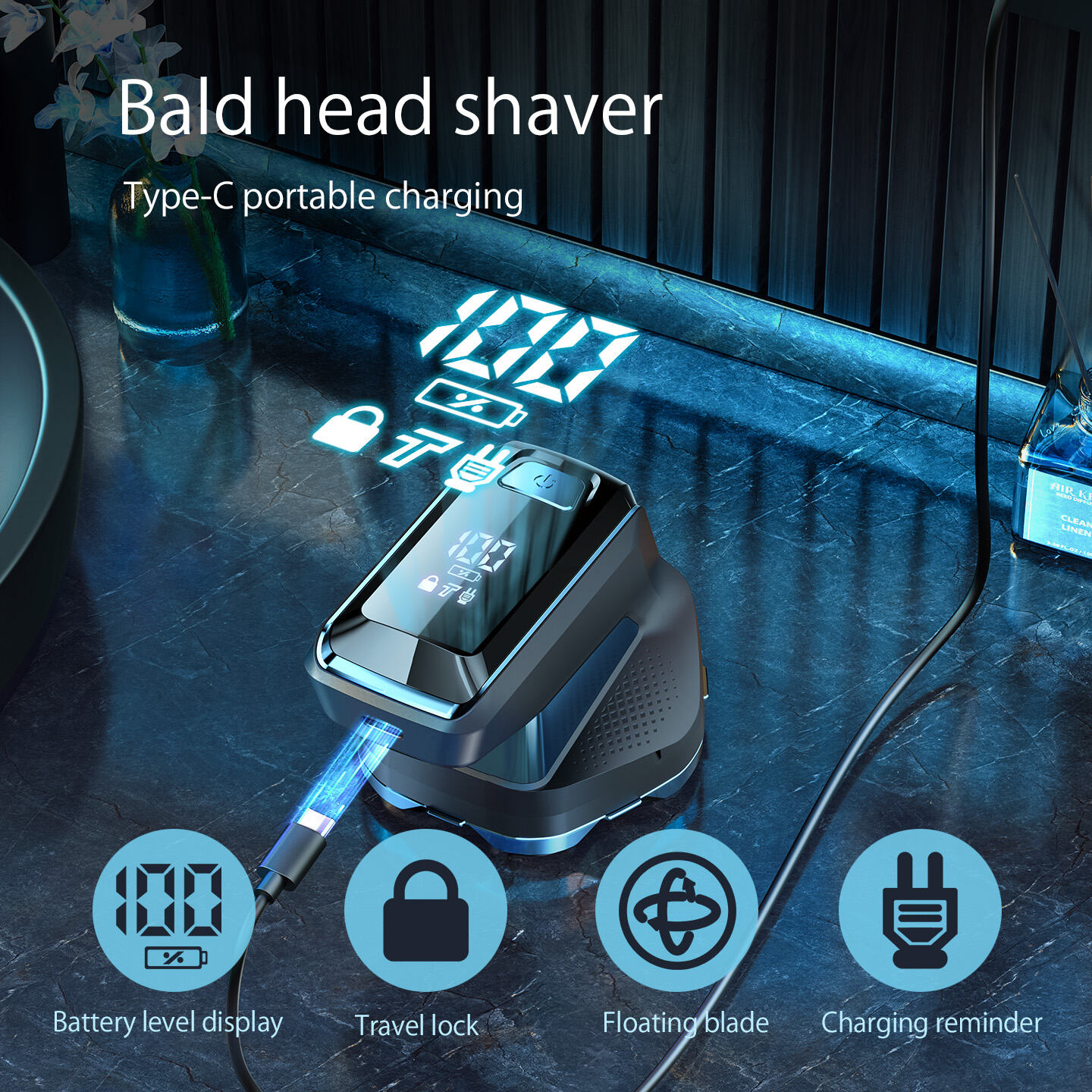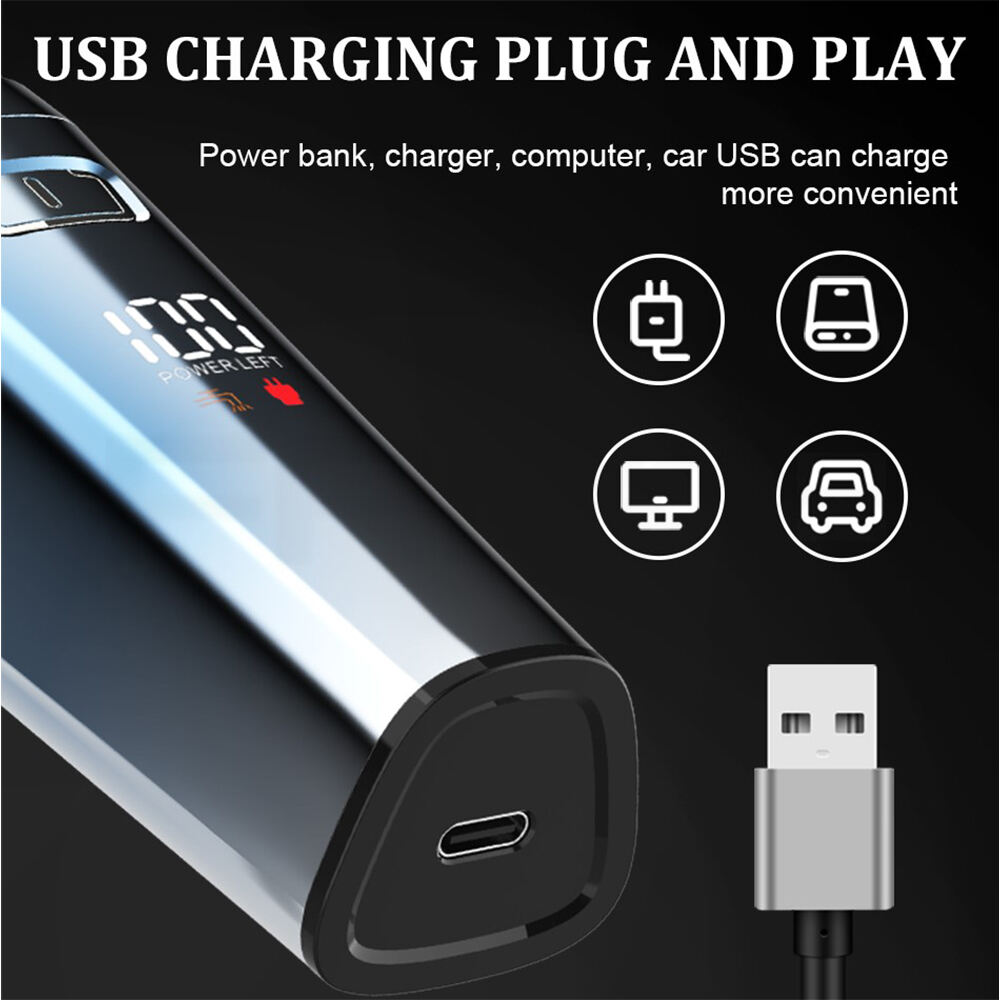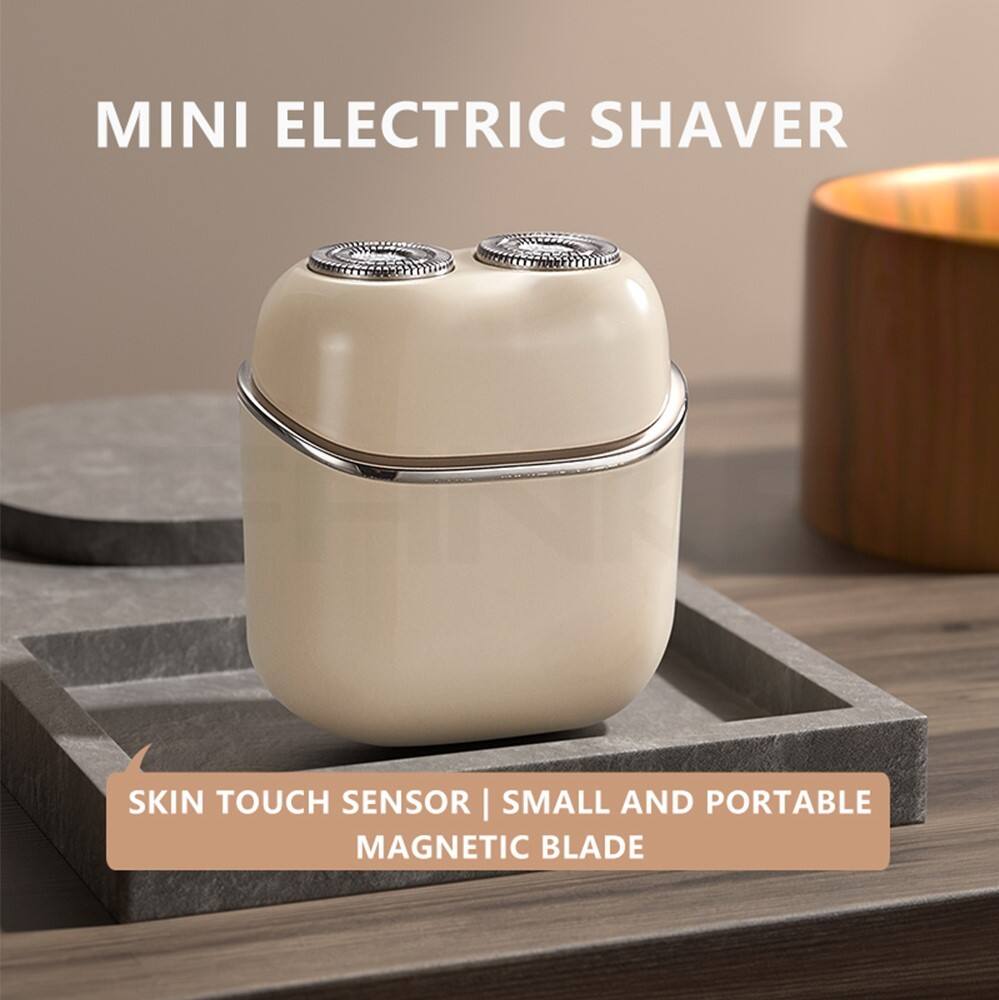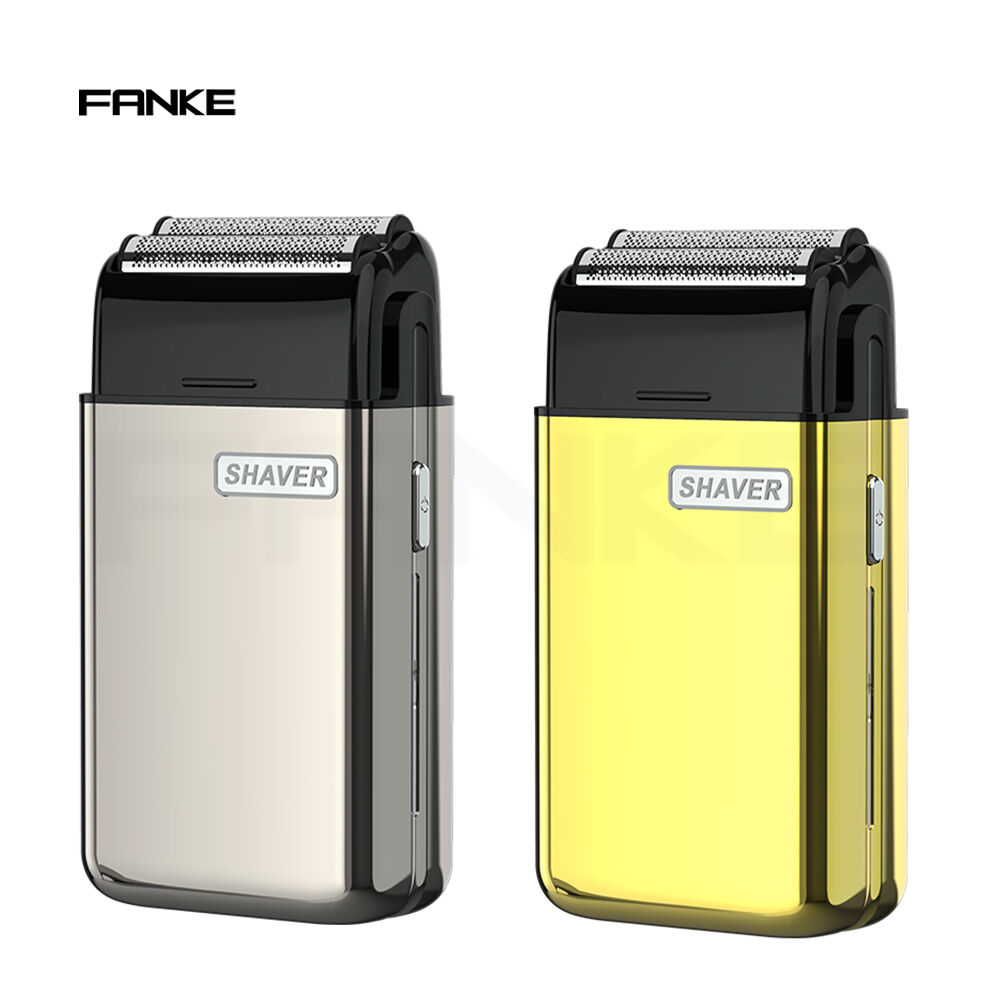
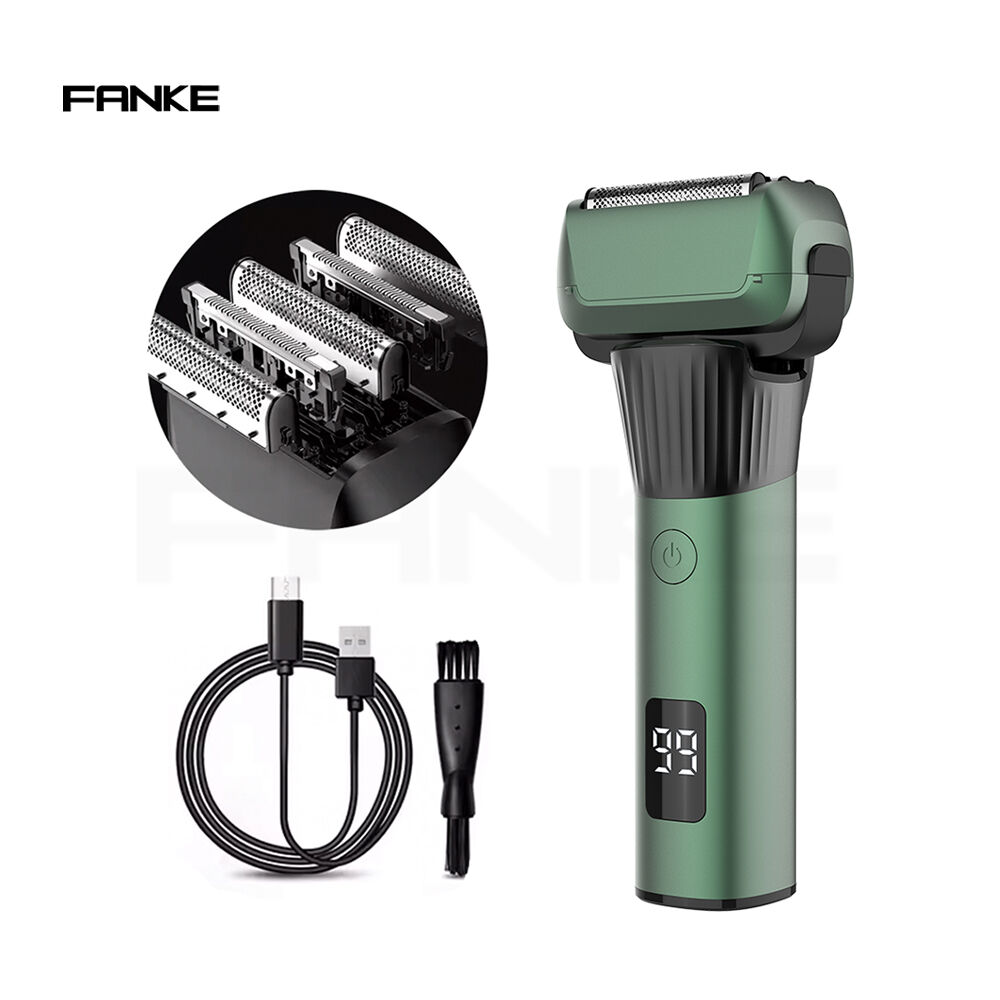
Electric shavers work by using either vibrating blades or spinning heads to cut hair without touching the skin directly, unlike regular razors which just have one blade that glides across the face. These electric versions actually move really fast, going back and forth thousands of times per minute (some can do around 15 thousand motions!). Because they don't drag against the skin like traditional razors do when they slice straight across, there's less pulling sensation during shaving. Another big plus is that people don't need shaving foam anymore since these devices work perfectly fine dry. That saves time for folks who are always rushing out the door but still want to look clean-shaven.
| Feature | Portable Electric Shavers | Traditional Shavers |
|---|---|---|
| Shaving Mechanism | Motorized cutting heads | Manual blade stroke |
| Prep Time | 0—2 minutes (dry) | 5—7 minutes (wet) |
| Skin Impact | Reduced friction | Higher irritation risk |
These days, most electric shavers are all about being portable. According to the Global Shaving Tech Report from last year, around 8 out of 10 best sellers weigh less than a pound and come with USB-C charging ports. Traditional shaving setups with all those brushes and gels take up way too much space. The cordless versions fit right into carry-on luggage without any issues and usually last between 45 to 60 minutes on a single charge, which makes them perfect for folks who travel for work or hit the gym regularly. Plus, their sealed construction means no more dealing with annoying soap buildup that tends to happen so often with regular razors.
Sales of portable electric shavers grew 30% from 2015—2024, outpacing traditional razor sales by 3:1 (Consumer Grooming Trends Analysis 2024). Drivers include rising demand for one-handed operation among busy professionals, increased airline restrictions on wet shave kits, and a 42% drop in electric shaver prices since 2018 due to lithium-ion battery innovations.
Men who switch to portable electric shavers typically spend about 35% less time on their morning grooming routine than those using old school manual razors, as found in last year's Men's Grooming Habits Report. Wet shaving involves all sorts of extra steps nobody really wants to deal with these days - lathering up, changing blades constantly, then cleaning everything afterward. Cordless electric shavers just cut out all that hassle. When someone is rushing to catch a train or heading out on business trips, the difference becomes even clearer. Most folks finish up with an electric razor in around 2 minutes and 24 seconds, while traditional shaving methods take nearly double that time at about 6 minutes and 6 seconds according to some research from the On-The-Go Grooming Study back in 2021.
Today's portable shavers are pretty simple to use with just one button, and they follow the face shape naturally without needing any oil or water first. These little gadgets come with self cleaning features and can handle getting wet, which is super handy when there's no sink nearby. That makes them great choices for people living in dorms, working out at the gym, or traveling in RVs where bathroom space is limited. According to some recent studies published in the Skin Health Journal back in 2022, folks who switch to electric shaving report about 42 percent less irritation on their skin because there's simply less rubbing involved compared to traditional methods.
TSA-approved portable shavers (under 7 oz) with USB-C charging dominate 68% of travel grooming sales, as they avoid luggage restrictions and adapt to global voltage standards. Compact designs—often under 5 inches—fit in airplane seatbacks, while 30-day battery life models outperform disposable razors on extended trips (2024 Travel Tech Survey).
Traditional razors cut hair below the skin's surface, achieving marginally closer results (0.01—0.03 mm deeper on average). Portable electric shavers trim hairs at skin level, though 2023 consumer surveys show 78% of users find electric smoothness "indistinguishable" from manual shaves after 2—3 weeks of adaptation.
Rotary electric shavers reduce drag forces by 43% compared to multi-blade cartridges, lowering irritation risks. Clinical studies reveal electric shavers cause 52% fewer ingrown hairs and 37% less post-shave redness in sensitive skin groups.
Foil-based electric models use microgrooved surfaces to lift hairs before cutting, minimizing direct blade-to-skin contact. This “floating” mechanism maintains consistent pressure across jawlines and neck curves, reducing uneven friction by 29% versus rigid manual razors.
Key Comparison
| Factor | Portable Electric Shavers | Traditional Razors |
|---|---|---|
| Avg. Shave Depth | Skin Level | 0.02 mm Subsurface |
| Irritation Incidence | 22% | 41% |
| Adaptive Blade Contact | Yes (Floating Foil/Heads) | No |
Electric shavers for on-the-go use actually cut down on skin nicks because they come with safety stuff built right in, such as protective guards around the blades and those smooth curved foils. Traditional razors have those sharp edges sticking out and need just the right angle when shaving, and even a 15 degree mistake can lead to a nasty cut. The electric versions keep the blades about half a millimeter away from the skin all the time. That little gap stops the blades from going too deep into the skin, which matters a lot since studies show almost half of all shaving accidents happen when people are rushing through their morning routine.
According to CDC figures from 2022, around 65,000 people end up in emergency rooms each year in the US because of razor accidents. Most problems come from regular manual razors, which account for about 78% of all cuts and scrapes compared to just 6% from electric shavers. What makes newer portable shavers safer? Well, manufacturers have made some smart changes over time. For starters, many now include pressure sensors that adjust how hard they cut based on what they feel. Then there are those hypoallergenic heads that float rather than press directly against skin, reducing irritation risk. And finally, most good quality models feature blades mounted on springs that actually pull back when too much pressure is applied, preventing deeper cuts during accidental tugs or slips.
Travelers and busy professionals will find that portable electric shavers cut down on accidents thanks to their TSA friendly design which means no more dealing with blades at security checkpoints. They also have waterproof builds so users can shave safely even while traveling or staying in hotel bathrooms without worrying about slips. Plus most models work on voltages from 100 to 240 volts, so there's no panic when trying to charge them abroad. And let's not forget about skin protection tech either. Many come with ceramic coated trimmers and antimicrobial foils that actually make these devices about 80% less irritating compared to regular razors based on some recent studies done last year. Makes sense why so many people are switching over nowadays.
Portable electric shavers typically require a higher initial investment ($80—$200) compared to manual razors ($5—$30). However, they eliminate recurring costs for disposable cartridges, which average $20—$40 monthly for frequent shavers. Traditional shaving also demands auxiliary products like creams and aftershaves, adding $100+ annually.
| Cost Factor | Portable Electric Shavers | Traditional Shavers |
|---|---|---|
| Initial Purchase | $80—$200 | $5—$30 |
| Annual Maintenance | $15—$50 (blades/foils) | $240—$480 (cartridges) |
| 3-Year Total | $125—$350 | $725—$1,470 |
High-quality foils and blades for electric shavers require replacement only every 12—18 months, with OEM parts averaging $25—$45. In contrast, cartridge prices increased 22% since 2020, driven by multi-blade designs and subscription models.
The break-even point occurs at 14—18 months for daily shavers. Over five years, electric shavers cost 63% less than premium cartridge systems, with $1,200+ saved—funds that could cover two international flights or a professional skincare regimen.
 Hot News
2025-12-26
2025-12-21
2025-12-21
2025-12-14
2025-12-12
2025-12-10
Wenzhou Fanke Electrical Appliance company limit, a combined enterprise in Wenzhou, Zhejiang, manufactures and sells household appliances including electric hair clippers, shavers, trimmers, and toothbrushes.
 EN
EN