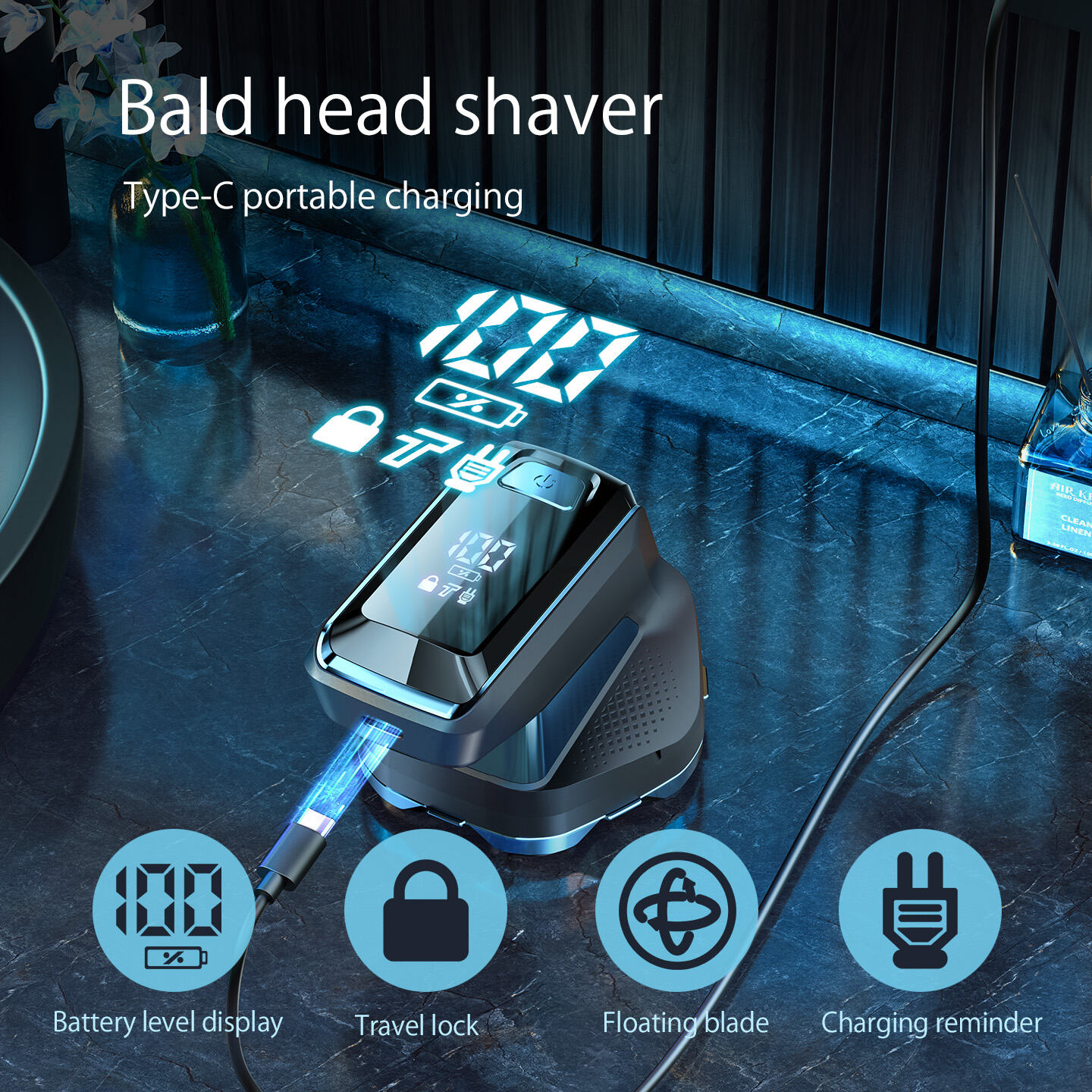

Taking care of an electric foil shaver makes a big difference in how it cuts and how long the motor lasts. When people clean their shavers regularly, they tend to get much better blade longevity than those who ignore maintenance altogether. Some studies suggest blades last around 40% longer with proper care, plus the motor doesn't have to struggle as much which means fewer breakdowns over time. Left unchecked, all that built up hair and skin residue creates extra resistance for the motor, making it work overtime just to keep cutting at normal speeds. This kind of stress wears down parts faster than anyone wants. Shavers that receive regular attention simply perform better day after day. Plus, good maintenance saves money in the long run since there's less need for expensive fixes or buying new units when old ones finally give out from neglect.
Foils and blades that are dirty just don't work right and they actually irritate the skin plus can lead to infections down the road. When razors aren't cleaned properly, all sorts of bad stuff builds up including bacteria and fungus which causes those annoying razor bumps and sometimes even folliculitis. Keeping blades sharp and surfaces clean makes shaving go much smoother overall. There's less tugging on the skin and fewer tiny cuts that might get infected later on. Cleaning those foils regularly isn't just good for hygiene it really does make a difference for skin health in the long run. Most people find their skin reacts better after making this simple habit part of their routine.
Neglecting regular maintenance really adds up financially in the long run. Electric razors that don't get proper care tend to need replacing anywhere from two to three times more frequently compared to those that are looked after. And when it comes time to buy a new one, good quality models usually set people back between $150 and $300. Most breakdowns happen because folks forget to clean them regularly. Think about it: clogged blades, rusty components, and motors that eventually give out all stem from simple neglect. Spending just a few minutes each week on basic upkeep makes all the difference. A quick wipe down and occasional oiling keeps everything running smoothly, which means fewer trips to the store and plenty of extra months or even years getting value from the razor.
After each use, remove hair clippings from the foil surface using the included cleaning brush. For deeper cleaning, many manufacturers recommend using approved cleaning solutions that dissolve oils and residue without damaging sensitive components. This simple habit prevents buildup that degrades cutting efficiency and strains the motor over time.
When we shave, hair and skin oils tend to build up pretty fast, which can mess with the blades and lead to more skin irritation problems. According to some research from the grooming industry in 2023, people who made it a habit to clean their razors right after each shave had about 40% fewer issues with how well their razor worked compared to folks who only cleaned once a week. For best results, grab a brush with soft bristles and give those areas around the foil and cutting part a good sweep to remove all the little bits that get stuck there. Keeping this area clear makes a real difference in how smoothly everything works over time.
Essential tools include a fine-bristled cleaning brush, manufacturer-approved cleaning solutions, and lint-free cloths. Avoid harsh chemicals or alcohol-based cleaners that can degrade foil coatings. According to dermatological guidelines, proper cleaning tools reduce the risk of skin irritation by up to 60% compared to improper methods.
Before getting started, make sure the shaver is turned off and unplugged from the wall socket. Different models work differently, so it's worth checking what the manufacturer says in their manual about how to take things apart safely. Many newer shavers these days come with parts that just snap together or pop off without needing tools at all. When removing the foil head from the main unit, go slow and don't try to force anything if it feels stuck. Carefully working through any resistance will help avoid damaging delicate parts. Once separated, the actual blades and surrounding housing become visible where all sorts of hair bits and skin particles tend to collect over time.
Start by running the cleaning brush over all parts to get rid of any loose stuff hanging around. When dealing with those pesky stubborn bits, grab a soft cloth and give it a light soak in 70% isopropyl alcohol before wiping down both the foil and blade area. Important note: keep liquids away from any electrical bits and skip the abrasives since they'll just end up scratching up the foil surface. A tiny brush with soft bristles works wonders for clearing out debris stuck in those hard to reach spots within the blade mechanism. Finish things off by giving the housing a quick wipe with a barely damp microfiber cloth. This helps remove built up oils and keeps the finish looking good over time. Do this regularly to maintain optimal performance.
When cleaning, go ahead and rinse the water safe parts under warm running water but stay away from anything too hot since this can mess up those sensitive internal bits. After rinsing, give them a good shake to get rid of extra water and then gently wipe down with a clean microfiber cloth. Let everything sit somewhere dry for several hours before putting things back together again. Moisture left behind tends to cause rust spots and sometimes even short circuits later on. Avoid blowing compressed air or using any kind of heating device because these can actually bend or distort some of the thinner metal parts over time.
When parts move against each other without proper lubrication, they create friction that leads to overheating and wears things down faster than normal. Regular oiling makes everything slide better and keeps the cutting action steady throughout use. According to some recent studies from the Grooming Tech folks in 2024, people who maintain their tools properly see blades lasting around 40% longer while motors work about 25% easier. Maintenance matters especially for those electric foil shavers where keeping blades aligned just right with the foil surface is what delivers that really close shave without irritating the skin. A little bit of care goes a long way toward making these devices perform at their best over time.
Stick to the mineral oil based lubricants that manufacturers recommend for their electric shavers. Household oils and stuff like WD-40 just won't cut it. They tend to build up inside the mechanism over time and might even ruin those delicate foil coatings on the blades. The right kind of lubricant has the proper thickness so it stays put without drying out too fast. Plus it creates a nice shield against dampness and rust which is especially important if your bathroom gets really steamy after showers. When shopping around, look for products clearly marked as suitable for electric razors. This helps prevent dust from sticking to moving parts and keeps everything running safely without any risk to the internal wiring.
Lubricant should go on right after everything is clean and completely dry. It helps protect those metal bits from rust while also cutting down on friction when things are running. A good rule of thumb is to put only one or maybe two drops onto the blades and any other moving components. Too much oil ends up attracting all sorts of stuff like hair and skin flakes that stick around and cause problems later. Some tests done last year showed that folks who take care to apply lubricant properly after cleaning see about 60% fewer maintenance headaches down the road, plus their blades and motors tend to last much longer overall.
Electric foil shavers get a real boost from automatic cleaning stations that handle everything at once cleaning, oiling, and drying without needing any hands-on work. Manual cleaning just doesn't cut it most of the time people forget steps or do them wrong, which means their shavers aren't as clean or working as well as they could be. The automatic approach keeps blades sharp and free from buildup with almost no effort required from the user. This not only makes for better shaving experiences but also means the shaver lasts longer before needing replacement parts or repairs down the road.
Cleaning pods made by the same brand as your razor are designed specifically for that model, using special cleaning solutions that work well without harming the inside parts. Some cheaper third party options might save money upfront but can actually cause problems down the road, like voiding warranty coverage or damaging the unit over time. According to a study from Consumer Reports in 2023, people who stuck with the official cleaning systems saw their blades last about 30 percent longer before needing replacement. For someone who shaves daily, this means spending less overall in the long run despite paying more initially for authentic products.
Daily users should make it a habit to give their shaver a quick brush after every session to stop grime from building up over time. A thorough cleaning once a week is also important, while checking the foils for signs of wear about once a month. Lubrication needs attention too either monthly or right after doing that deep clean, depending on how often the shaver gets used. Following this kind of routine helps protect against gradual damage and keeps the motor running smoothly. Most people who know their stuff about grooming will tell anyone willing to listen that properly maintained razors tend to stick around about 40 percent longer compared to ones that get neglected between cleanings.
Most people find they need new foils and blades somewhere around the 12 to 18 month mark under regular usage conditions, though those who shave daily might want to swap them out sooner. When parts start showing their age, folks typically notice things like skin pulling during shaves, less close results overall, and sometimes even little holes or tears appearing in the foil itself. Getting replacements in before these issues become serious keeps everything running smoothly and actually helps preserve the longevity of the device since worn components put extra stress on the motor over time. From a budget standpoint, spending money on fresh parts now usually ends up saving cash down the road compared to dealing with repairs later on after something breaks completely.
 Hot News
2025-12-26
2025-12-21
2025-12-21
2025-12-14
2025-12-12
2025-12-10
Wenzhou Fanke Electrical Appliance company limit, a combined enterprise in Wenzhou, Zhejiang, manufactures and sells household appliances including electric hair clippers, shavers, trimmers, and toothbrushes.
 EN
EN