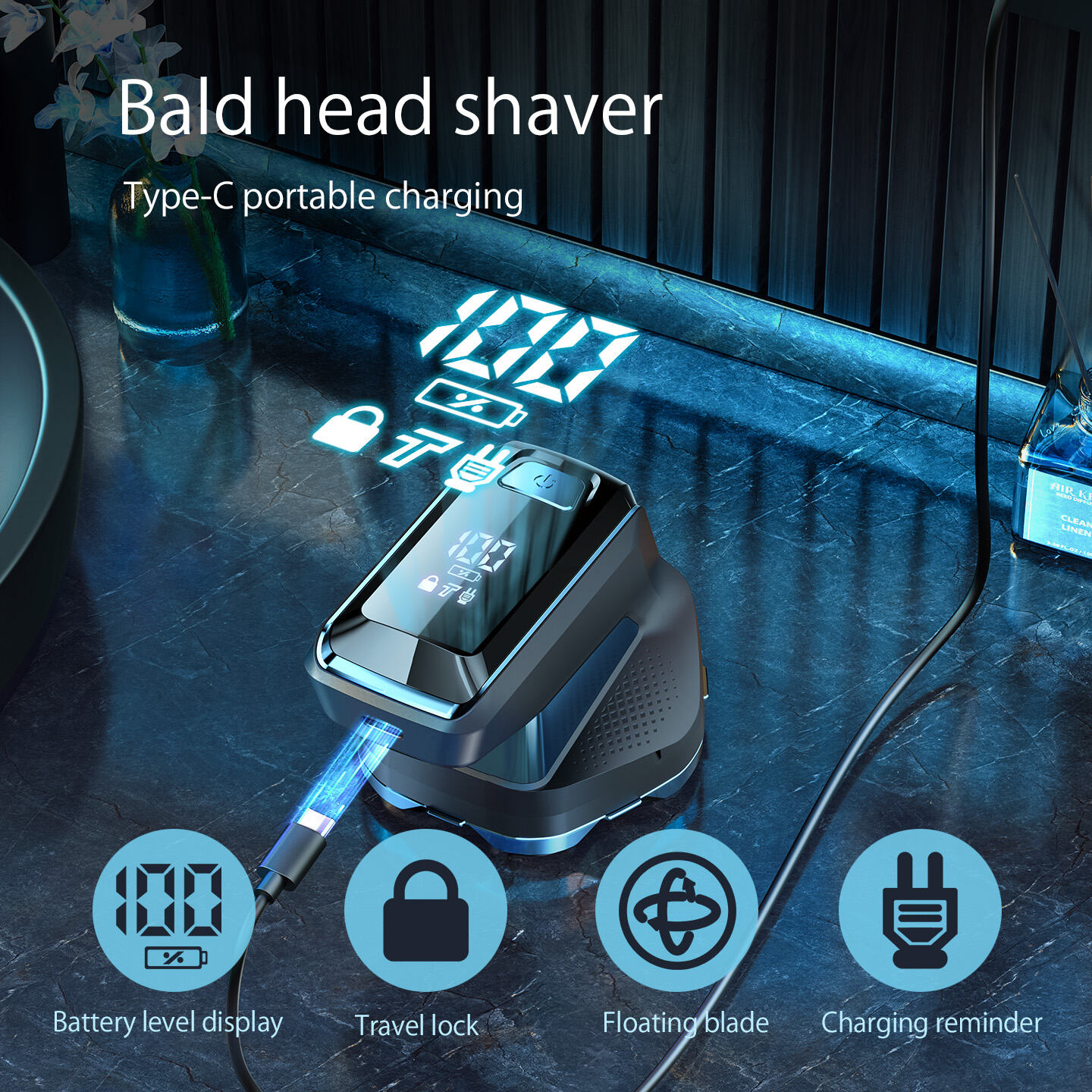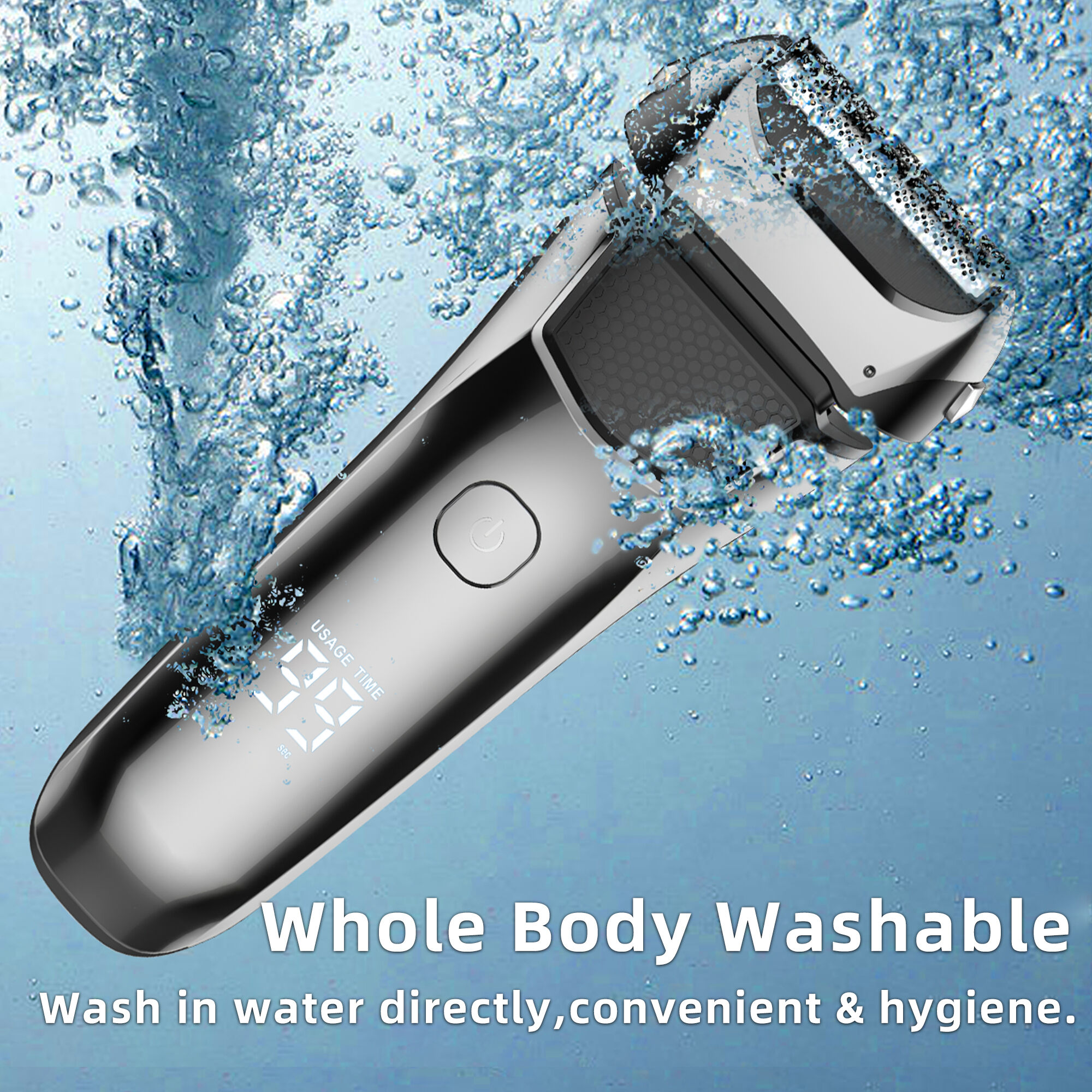

Rotary shavers were made with thick and coarse facial hair in mind, thanks to their special circular blade setup. Traditional foil shavers work by moving back and forth in straight lines, but rotary ones have three or sometimes even four heads that float around and spin in circles. What makes these shavers stand out is how they lift hair up before cutting it, which works really well on dense beards because the blades grab hair from different angles. The circular motion covers more face area with each swipe, so guys don’t have to go over the same spot again and again, which cuts down on skin irritation. Thick beards especially benefit since most people only need one or two passes to get a clean shave without stressing their skin too much. Plus, those floating heads press against the face evenly, even when going over bumpy areas like cheeks or jawlines, so nobody ends up with stubborn patches of unshaved hair.
Rotary shavers work their magic thanks to blades that rotate in multiple directions, making them great for dealing with stubborn hair. Inside each cutting head are super sharp blades that keep themselves sharp too. These blades spin really fast, somewhere around 5k to 10k RPM, creating that scissors effect we all know and love for slicing through tough beard hair without pulling. Around those spinning blades are these little holes in the guard system. They do two things at once actually protecting our faces from getting nicked while also grabbing hold of hairs so they get cut properly. This mix of safety features and serious cutting power is why guys with thick beards tend to gravitate towards rotary models instead of straight razors or foil shavers that just don’t cut it (literally) for dense facial hair. Plus, since each cutting head moves independently, the whole thing stays angled right against the skin even on tricky spots like under the chin or along the neck where hair grows every which way.
Finding the best rotary shaver means pairing specs with what kind of beard someone actually has. If a guy grows really thick facial hair, he needs something with serious muscle behind it. Look at motor strength and RPM numbers first because these determine how well the device handles tough jobs when pushed hard. Cutting head count makes a difference too. Most standard models come with three heads, but there are premium options out there with four or even five heads that cover more ground quickly, especially helpful for guys dealing with fast growing, stubborn beards. People who have uneven hair growth patterns should pay attention to head flexibility features. Shavers where each cutting section moves separately work better around tricky areas like jawlines and necks since they stay in contact with the skin despite all those bumps and grooves. Battery capacity matters a lot for coarse-haired individuals too. The extra effort required cuts down battery life faster than normal, so going for devices with decent lithium ion packs ensures smoother operation from start to finish without unexpected shutdowns mid-shave.
When dealing with really thick, coarse beards, rotary shavers tend to work better because of those rotating blades that move in different directions. Foil shavers have those back and forth motions with straight blades, but rotary ones spin around in circles, grabbing and cutting through thick hairs at various angles all at once. This makes them much better for handling stubborn facial hair without having to go over the same spot again and again. What’s great about rotary shavers is how their heads can move independently, so they stay in contact with the skin even when following facial contours. They perform especially well along the jawline and neck area where most people find their beard gets really dense and tough to manage.
Most people think foil shavers are best for sensitive skin, but actually rotary models might be more comfortable for folks with coarse hair. Foil shavers do get advertised as gentle, yet their straight cutting motion tends to irritate thick, tough hairs that don’t want to cut easily and need multiple passes. Rotary shavers come with those little protective shields and move in circles, so they don’t press blades directly against skin while still getting through stubborn hair. This means less redness and fewer chances of getting that annoying razor burn after shaving. Plus, because they’re round shaped, rotary shavers follow faces better without tugging at skin, making them work pretty well for anyone who has both sensitive skin issues and really full beards to deal with.
Most rotary shavers come with these floating heads that can move around freely, adapting to all those tricky curves and angles on someone’s face. What makes them so good is this ability to stay in contact with skin even in tough spots such as along the jawline, under the chin, and down the neck area where stubborn hairs tend to grow thick and cause problems during shave time. These moving parts actually stop that annoying tug and pull feeling people get when using older style shavers with fixed heads. Each individual cutter maintains just the right amount of pressure naturally, so there’s no need for users to push harder while going over their face.
Guys who deal with thick, coarse facial hair and tricky growth patterns will find rotary shavers work better in those tough areas. Most models come with some kind of contouring feature that glides along those sharp jaw angles pretty well, which means fewer missed patches and less backtracking. Around the neck area where hair tends to grow all over the place, those spinning heads do a decent job catching hairs at different angles without giving the user a rash. The whole setup works especially well for folks whose beards aren’t growing evenly across their faces. Even when there are bald spots or thin areas mixed in with denser sections, these flexible cutting heads stay in touch with the skin surface, making sure nothing slips through the cracks during shaving time.
Rotary shavers are really good at handling thick facial hair that grows back quickly because they cut more hairs each time they pass over the face. The cutting heads on these devices can move in different directions independently, so they stay in contact with the skin even when following tricky contours. This means people don’t have to go over the same area multiple times just to get everything trimmed. For guys dealing with stubborn, dense beards, this kind of shaver makes morning grooming much quicker than traditional methods. Most users find their shave goes faster while still getting close results, which is why many men with coarse hair types prefer rotary models over other options available today.
Rotary shavers reduce skin irritation because they don’t press blades directly against the skin thanks to those floating heads we see on most models these days. People who switch from regular razors often notice fewer cases of razor burn and those pesky ingrown hairs that plague so many guys after a close shave. Skin tends to stay in better condition overall when using these kinds of shavers regularly. What makes them stand out is how well they handle thick beards without losing effectiveness. Even when facial hair gets denser over time, rotary shavers keep delivering good results day after day without requiring extra pressure or multiple passes.
 Hot News
2025-12-26
2025-12-21
2025-12-21
2025-12-14
2025-12-12
2025-12-10
Wenzhou Fanke Electrical Appliance company limit, a combined enterprise in Wenzhou, Zhejiang, manufactures and sells household appliances including electric hair clippers, shavers, trimmers, and toothbrushes.
 EN
EN